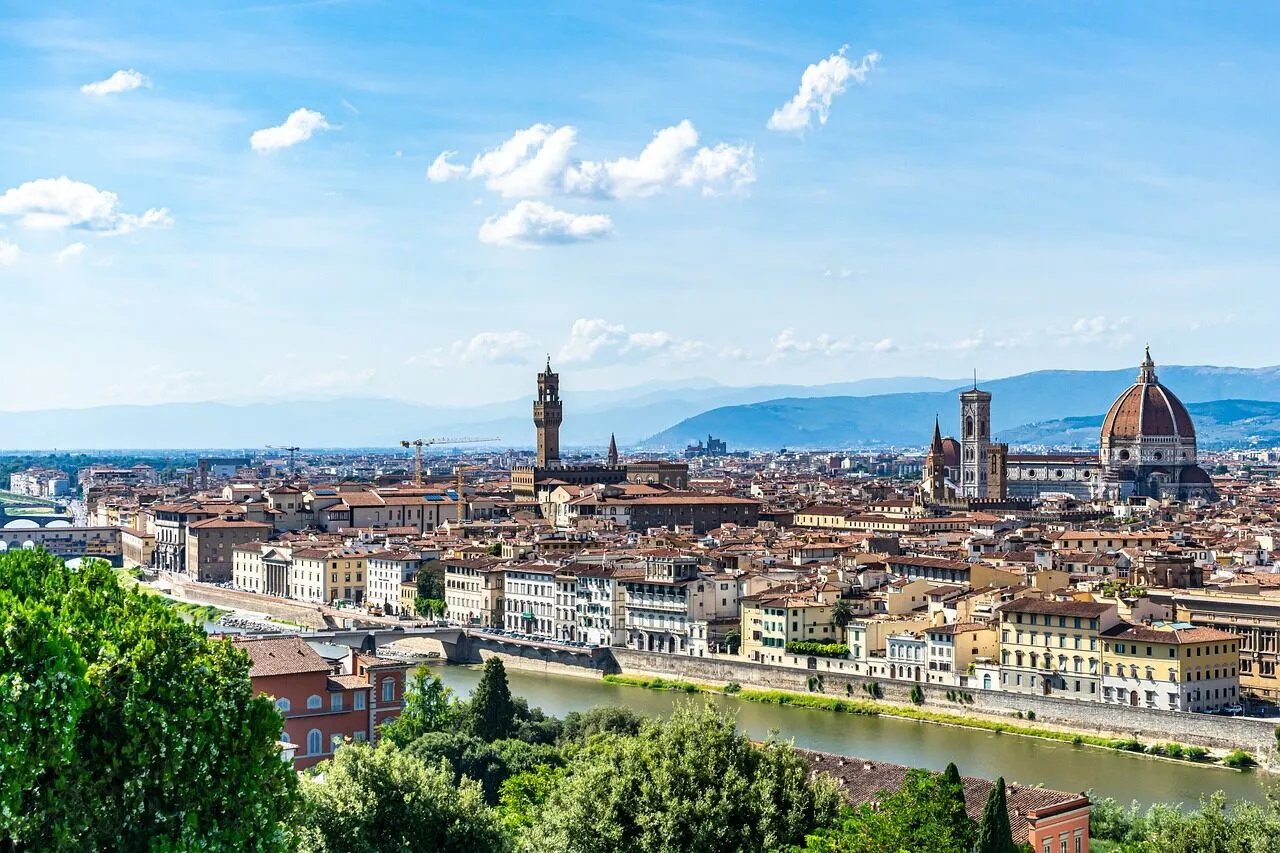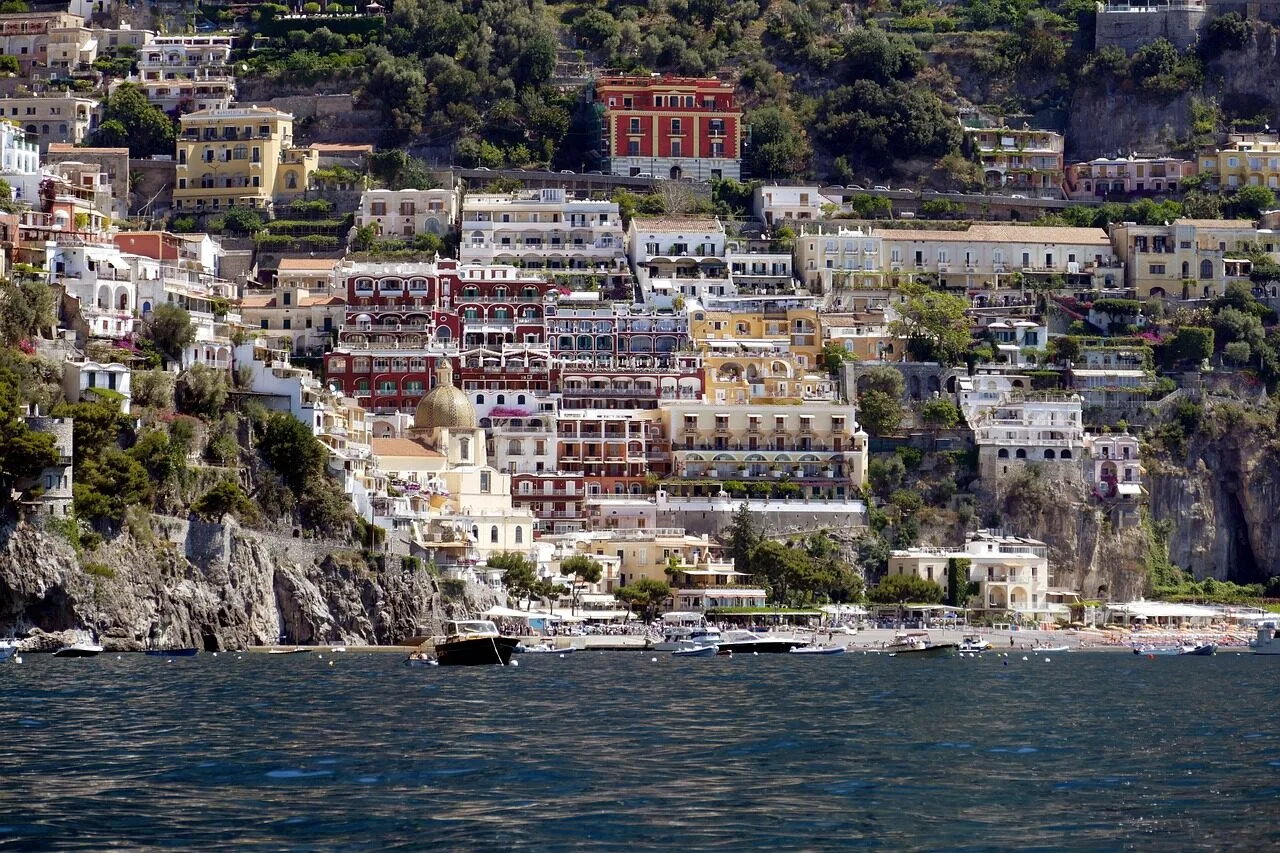
Italy is long, packed with more UNESCO World Heritage sites than any other country, and threaded by one of the best high-speed rail networks in Europe. That combination is both the opportunity and the trap: everything is reachable, so people try to see it all and spend the trip on trains. The better approach is to pick one line through the country and do it properly, and the good news is that the natural lines are obvious.
This guide sets out four ready-made routes for five, seven, ten and fourteen days, all built around the high-speed trains that make Italy easy without a car, plus the option to turn the two-week version into a road trip. It covers the trains, the airports and the ferries and what they cost, where to base yourself, and the best months to come. The city and region guides go deeper: start with Rome, the Amalfi Coast and Sicily, and the Italy country guide has the background.
Plan and book
3 partners- Flights
Most trips start in Rome, and the south has its own airports at Naples, Catania and Palermo. Compare routes.
Search flights - Trains
The high-speed line links Rome and Florence in about 1h 30, from around 10 EUR booked ahead.
Compare trains - Where to sleep
Rooms in Rome, Florence, Venice, the Amalfi Coast and Sicily, by area and price.
Find a room
How many days
Five days is enough for one city and one region, and the natural pair is Rome and Florence. Seven days adds a third stop, either Venice in the north or the Amalfi Coast in the south. Ten days is the sweet spot for a first visit, because it fits Rome, Florence and one of the coast or the islands without rushing. Fourteen days lets you slow down and add Sicily, a second coast, or the smaller cities the short trips skip.
The structural rule is to move in one direction. Italy runs north-west to south-east, and a route that follows the line, Rome to Florence to Venice, or Rome to Naples to the Amalfi Coast, costs far less time than one that doubles back. Pick your entry and exit points to match, flying into Rome and out of Venice or Naples, and the trip falls into place. The classic mistake is to bolt Sicily onto a one-week trip; it is a flight or an overnight train each way, so it earns its place only from about ten days.
Getting around
Italy’s high-speed trains are the secret of an easy trip. The Frecciarossa and Italo lines run at up to 300 km/h between the main cities: Rome to Florence in about 1h 30, Rome to Naples in about 1h 10, Florence to Venice in about 2h, and Rome to Venice in about 3h 45. Fares are low booked in advance, from around 10 to 20 EUR on the busiest routes, and the trains are frequent through the day. Book early for the best fares, especially in summer, and note that some cheap tickets are tied to a specific train.
Airports are quick to the cities. Rome’s Fiumicino connects to Termini on the Leonardo Express in 32 minutes for 14 EUR, or the slower FL1 regional train for 8 EUR, and the other cities have similar links. For the Amalfi Coast there is no train to Positano or Amalfi, so aim for Salerno on the high-speed line and continue by ferry or the SITA bus, or use Sorrento as the gateway from Naples. Sicily has its own airports at Catania and Palermo, plus an overnight train from Rome that is loaded onto a ferry across the Strait of Messina.
Where a car earns its place is the countryside and the south: Tuscany’s hill towns, Puglia, Sardinia and the smaller coastal roads. Even there you can often manage without one, but for rural Italy a car turns a day of bus timetables into a day of your own. The sensible pattern for most trips is cities by train, countryside and islands by rented car, and the coast by ferry.
5 days in Italy
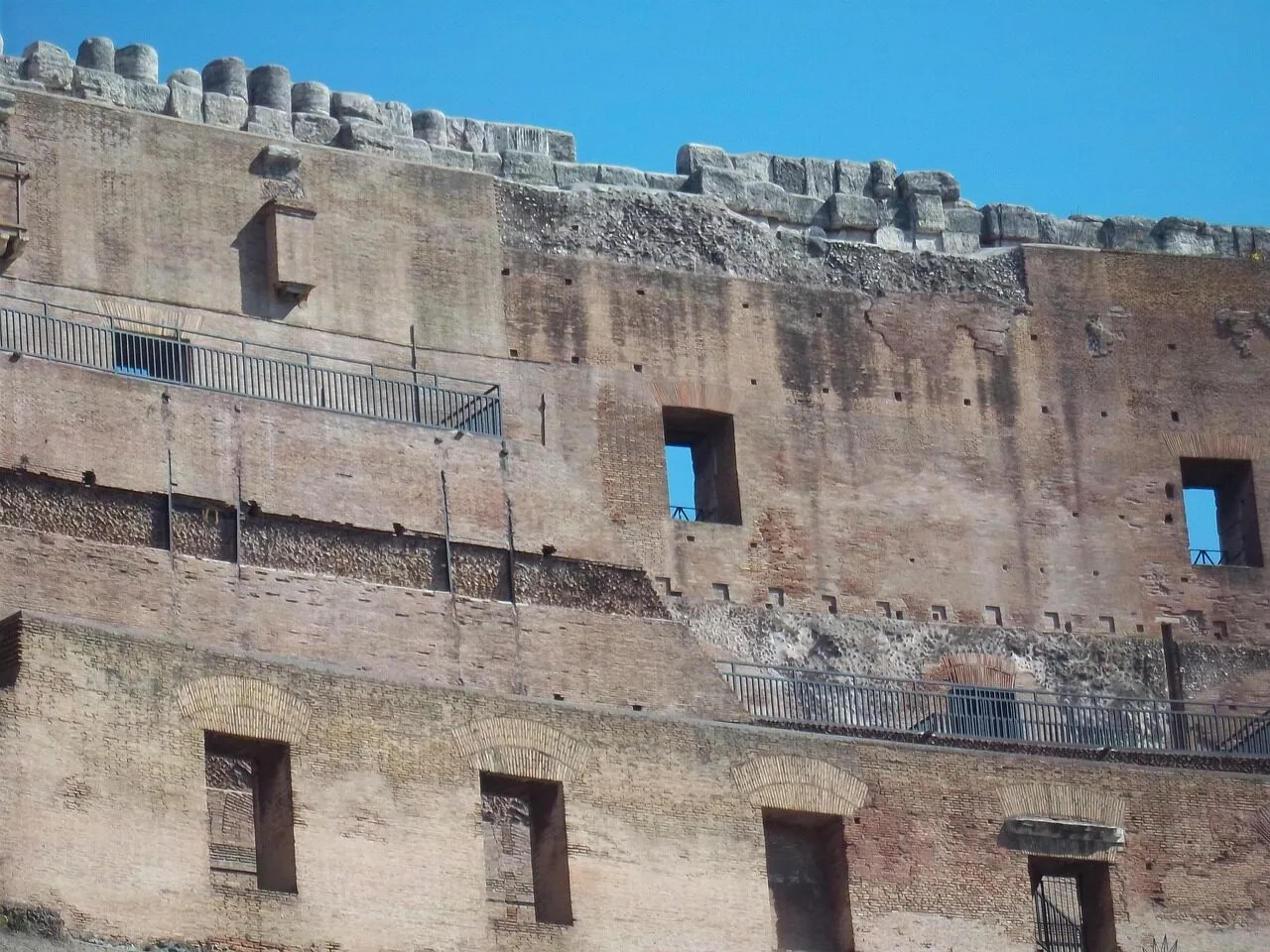
Give the five days to Rome and Florence, the two cities the high-speed line links most easily. Base three nights in Rome and two in Florence, and use the train between them, which takes about 1h 30 and costs little booked ahead. In Rome, give a full day to ancient Rome, the Colosseum, the Forum and Palatine Hill, a day to the Vatican and St Peter’s, and a half day to the centro storico, the Pantheon, Trevi and Piazza Navona, with an evening in Trastevere. The Rome guide has the tickets and timing.
In Florence, give a day to the Duomo, the Uffizi and the Ponte Vecchio, and a half day to the Accademia for Michelangelo’s David, booked ahead. With a spare afternoon, Pisa is an easy train for the leaning tower, or a Chianti wine tasting in the hills. The five day version is fast but not frantic, because the train does the work and the two cities are compact.
7 days in Italy
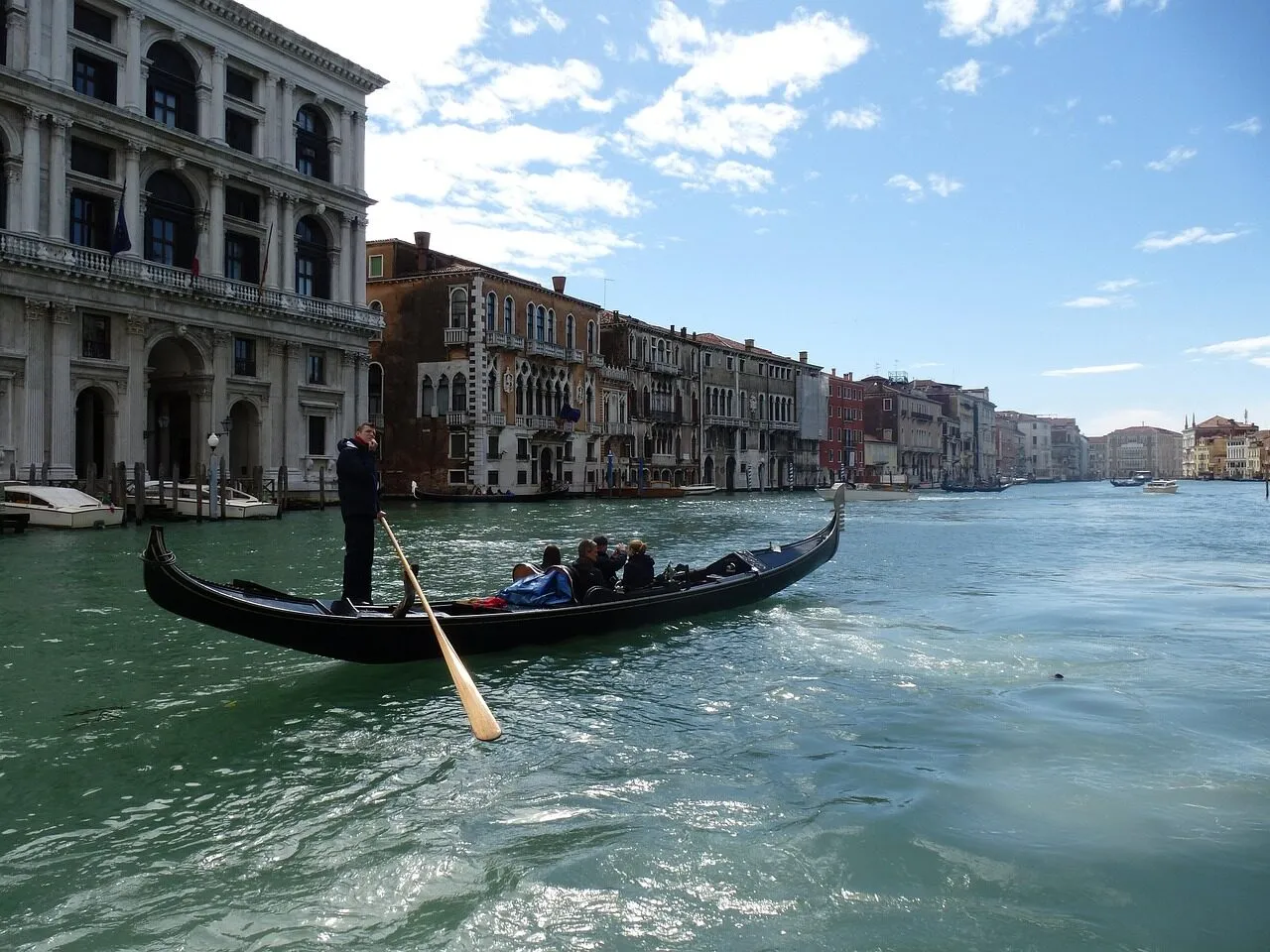
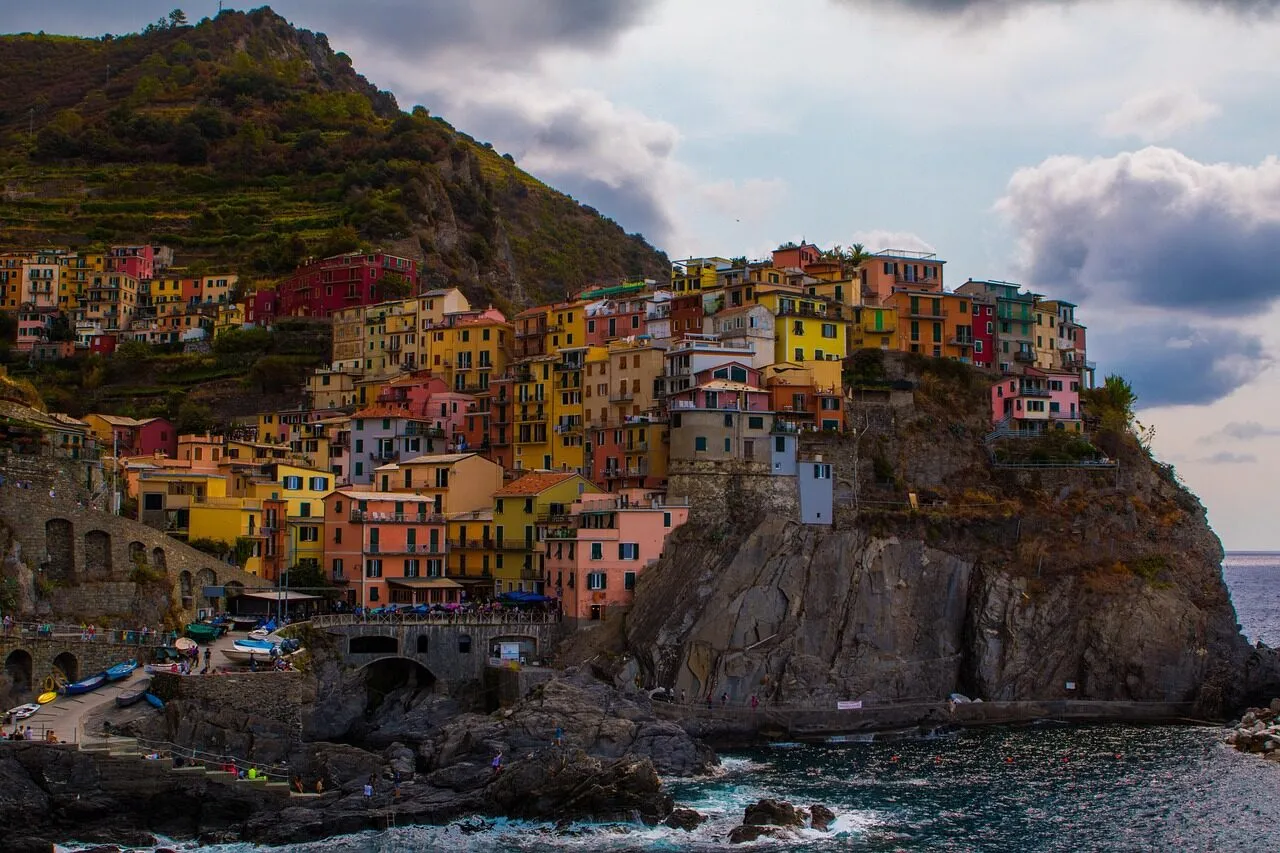
Seven days adds a third stop, and there are two good versions. The northern version is the classic triangle of Rome, Florence and Venice, three nights in Rome, two in Florence, two in Venice, all by high-speed train, or swap Venice for the Cinque Terre on the Ligurian coast. Venice rewards an early morning and a late evening, when the day trippers have gone, and the Florence to Venice train takes about 2h. The southern version is Rome and the Amalfi Coast, four nights in Rome with a Naples and Pompeii day trip, then three on the coast at Positano, Amalfi or Sorrento, arriving by ferry or bus.
Both work without a car. The northern version is the better first trip if you want the art cities; the southern one is better if you want the sea and the ruins, and the Cinque Terre vs Amalfi Coast comparison covers the two-coast choice. If you take the Amalfi version, spend the coast days between a beach day, a boat trip to Capri, and the Path of the Gods walk, and finish with a ferry or the SITA bus back toward Naples for the flight home.
10 days in Italy
Ten days is where the first trip comes together. The cleanest route runs south: three or four nights in Rome, two or three in Florence with a Tuscany day trip, and three on the Amalfi Coast to finish on the sea. Take the high-speed train between the cities and the ferry or bus down the coast, and fly home from Naples. It gives you ancient Rome, the Renaissance and the most famous coastline in Italy, with no backtracking.
The alternative ten days swaps the Amalfi Coast for Sicily, which suits anyone who wants the Greek temples, Etna and the food more than the Tyrrhenian coast. Fly from Rome to Catania, spend three or four nights on the island between Catania, Syracuse and Taormina, and fly home from Catania or Palermo. It is a bigger, wilder trip, and the Sicily guide covers the routes in full. For the heel of the boot instead, the Puglia guide covers the trulli, Lecce and the Salento beaches.
14 days in Italy
Two weeks lets you stop counting travel days. Keep the Rome, Florence and coast spine, then add the pieces the short trips cut: Venice in the north, with its canals and islands; the Cinque Terre on the Ligurian coast, five villages linked by train and trail; Tuscany’s hill towns, Siena, San Gimignano and the Val d’Orcia; and the south, Naples, Pompeii, the Amalfi Coast and, if you have the days, Sicily across the strait. Puglia and Sardinia are the other southern add-ons. Read as a line, Rome to Florence to Venice or the Cinque Terre, or Rome to Naples to Sicily, it covers almost everything Italy is known for.
The two-week version is also where the road trip comes into its own, and this pillar covers it rather than a separate post. Driving the same loop opens the places the trains skip: the Tuscan hill towns, the Chianti and Montalcino vineyards, the Puglian countryside and the Amalfi cliff road, which is a beautiful drive and a stressful one. The trade is that parking in the cities is a nuisance and the historic centres are closed to cars, so the common solution is to do the cities car-free at the start and end, and pick up a car only for the middle, rural stretch. Whichever way you do it, keep the last night near your departure airport.
Where to base yourself
Four bases cover almost every Italy trip. Rome is the hub, with the airport, the best train links and the deepest set of sights, and the centro storico and Monti save the most time on a short trip while Trastevere suits evenings. Florence is the northern base for Tuscany, small and walkable, with the art and the hill-town day trips. Venice is the third, worth two nights for the canals and the islands of Murano and Burano, quieter in the early morning and late evening. On the Amalfi Coast, Amalfi is the best all-rounder for ferries and buses, Positano the most beautiful and expensive, and Sorrento and Salerno the practical bases with rail links.
The south has its own logic. Naples is the base for Pompeii, Herculaneum and Vesuvius, and the gateway to the Amalfi Coast and Capri. In Sicily, Catania is the transport hub for the east, Palermo the only real city base for the west, and Syracuse and Ortigia the most charming base for the south-east. Wherever you base, fewer stops and longer stays beat moving every two nights, because Italy’s big cities each take a full day just to orient yourself. For a longer stay or working remotely, see remote work in Italy.
When to go
April to June and September to October are the best months, with warm days, thinner crowds and reasonable prices. May and early June are the sweet spot, with long days and the countryside green, and September and October keep the sea warm on the southern coasts after the summer rush. July and August are the peak, hottest and busiest, with Rome pushing past 35 C and Italian holiday traffic around Ferragosto on 15 August, when the coast fills and prices peak.
The sea is warmest from July through September and stays swimmable into October on the Amalfi Coast and in Sicily, while the north is cooler. Winter is mild in the south and cold and wet in the north, and the cities are quieter and cheaper outside the Christmas and New Year weeks. The month-by-month picture by region is in the best time to visit Italy guide, and whatever the month, book the big sights, the Colosseum, the Vatican and the Uffizi, as soon as your dates are fixed.
What it costs
Italy is more expensive than Portugal or Greece and cheaper than the French Riviera, with the north and the Amalfi Coast at the top of the range and the south at the bottom. Excluding flights, a budget day runs about 55 to 75 EUR in the cities, a comfortable day 90 to 130 EUR, and a mid-range day 150 to 220 EUR. The food is the best value part of the trip, so budget for it. The main costs break down like this.
| Transport | High-speed trains 10 to 40 EUR booked ahead, city metro and bus 1.50 to 2 EUR a ride, the Leonardo Express 14 EUR, ferries on the Amalfi Coast 10 to 20 EUR a hop, a rented car 30 to 60 EUR a day in the countryside. |
|---|---|
| Accommodation | A comfortable double runs about 90 to 180 EUR a night in Rome, Florence or Venice and 120 to 250 EUR on the Amalfi Coast in season, cheaper in the south and Sicily. Hostels and guesthouses bring the budget day down. |
| Food | A coffee at the bar 1.20 EUR, a pizza or a pasta lunch 8 to 15 EUR, a trattoria dinner with wine 25 to 40 EUR a head. A coperto, a small cover charge, is normal at sit-down meals. |
| Sights | The Colosseum 18 EUR, the Vatican Museums about 20 EUR, the Uffizi about 25 EUR, Pompeii 20 EUR, the Amalfi ferries 10 to 20 EUR. Book the big ones ahead and budget for a skip-the-line premium in summer. |
These are planning estimates built from the fares and prices cited in this guide, not an official index. The two levers that move the total most are the season, since July and August push coastal accommodation up sharply, and the route, because a one-direction trip avoids the cost and the time of backtracking.
Practical information
| Getting around | High-speed trains link Rome, Florence, Venice and Naples in one to three hours, cheap booked ahead. Airports are quick to the centres. The Amalfi Coast is ferries and buses, no train. A car helps in Tuscany, Puglia and on Sardinia. Book intercity trains early in summer. |
|---|---|
| When to go | April to June and September to October for the best balance. July and August are hot, busy and peak-priced, with Ferragosto on 15 August. The southern sea is warm into October. |
| Language and money | Italian, with English common in tourist areas. Euro, cards widely accepted, a coperto at sit-down meals, tipping optional. |
| Booking | Book the Colosseum, the Vatican, the Uffizi and the Accademia as soon as your dates are fixed, and book the Amalfi ferries and summer trains ahead. Reserve Pompeii and Vesuvius time slots in peak season. |
| Safety | Italy is safe for normal travel. The usual caution about pickpockets in crowded stations, buses and squares, especially in Rome and on the Circumvesuviana train to Pompeii. The summer heat is the main risk, and the Amalfi cliff road is winding, so take the ferry when you can. |
Disclosure. This blog post contains affiliate links. If you book through them, Mediterranean Vibes may earn a small commission at no extra cost to you; it is how the site stays up.