Florence is the birthplace of the Renaissance and one of the densest concentrations of art in the world, a small city on the Arno where the Duomo, the Uffizi, Michelangelo’s David and a dozen other masterpieces sit within a fifteen minute walk of each other. Around it, Tuscany rolls out into the most painted landscape in Italy: the cypress roads, the hill towns, the vineyards of Chianti and the ochre hills of the Val d’Orcia, all within an hour or two of the city.
The pairing is what makes the region work: Florence for the art and the city, Tuscany for the countryside and the towns, and the two together for a week of the best of central Italy. This guide covers Florence itself, the art you must book, the towns of Siena, Pisa and San Gimignano, the wine country, and how to get around. It fits the wider country through the Italy itinerary, and connects to the capital in the Rome guide and the coast in the Cinque Terre guide.
Plan and book
3 partners- Flights
Fly into Florence or Pisa, both close to the city and the region. Compare routes.
Search flights - Trains
Florence to Rome in about 1h 30, and to Pisa, Lucca and Siena in an hour or so.
Compare trains - Where to sleep
Florence hotels and apartments, plus farm stays and villas in the Chianti hills and the Val d’Orcia.
Find a room
Florence
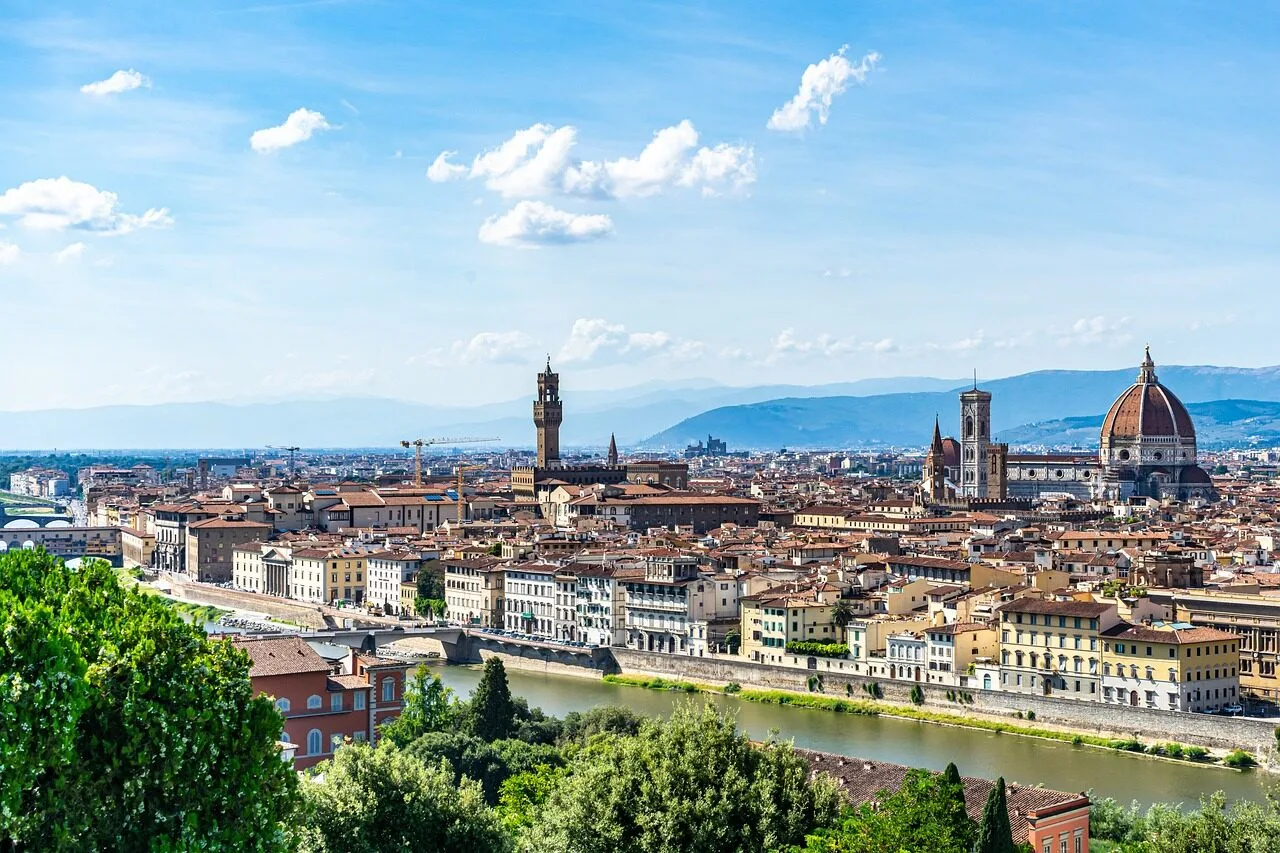
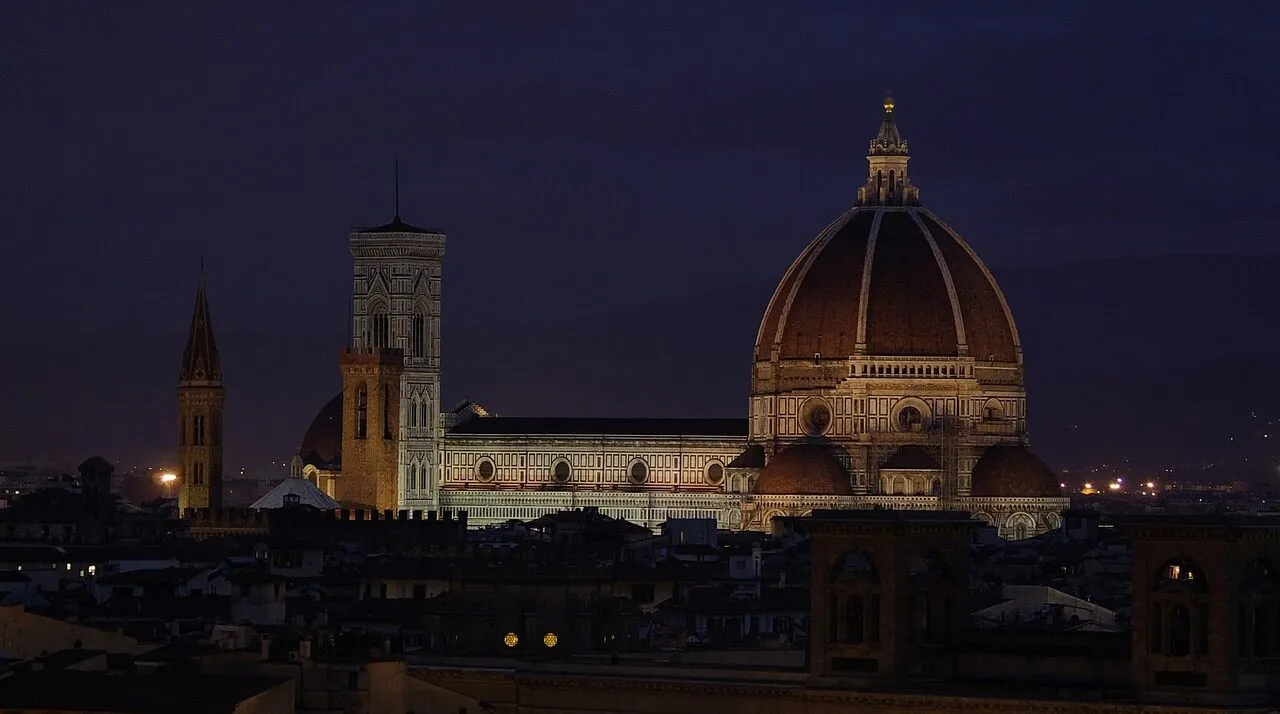
Florence is compact and walkable, and the whole historic centre is a UNESCO World Heritage Site. The heart of it is the Duomo, Santa Maria del Fiore, with Brunelleschi’s enormous dome, which you can climb for the best view in the city, and Giotto’s bell tower beside it. The baptistery, with its golden doors, is next to it, and the whole square is the centre of the city. From there, the streets lead to the Piazza della Signoria, the civic heart with the Palazzo Vecchio, and to the Ponte Vecchio, the old bridge lined with jewellers’ shops.
Across the river, the Oltrarno is the artisan quarter, with the Pitti Palace and the Boboli Gardens, and the Santo Spirito square where the locals eat and drink in the evening. Santa Croce, with the tombs of Michelangelo and Galileo, and the Medici chapels at San Lorenzo, are the other essentials. Give Florence two full days, and let the evenings be for the Oltrarno and the food, when the day trippers have gone and the city belongs to itself again.
The Uffizi and David
The Uffizi is one of the great art galleries of the world, with Botticelli’s Birth of Venus and Primavera, Leonardo, Raphael, Caravaggio and Titian, in a U-shaped palace beside the Arno. The ticket is about 25 EUR and it sells timed entries, so book ahead and go early or late for the quietest slots. A half day is enough for the highlights, and the gallery pairs naturally with the Ponte Vecchio and the Oltrarno just outside.
The Accademia, a few streets away, is smaller and holds the reason most people come: Michelangelo’s David, the marble figure carved from a single block, along with his unfinished Slaves. The ticket is about 16 EUR, also timed, and the visit is short, so book both galleries for the same day and give the rest of the time to the city. Between the two, you have the best of the Renaissance in a morning.
The Tuscan towns
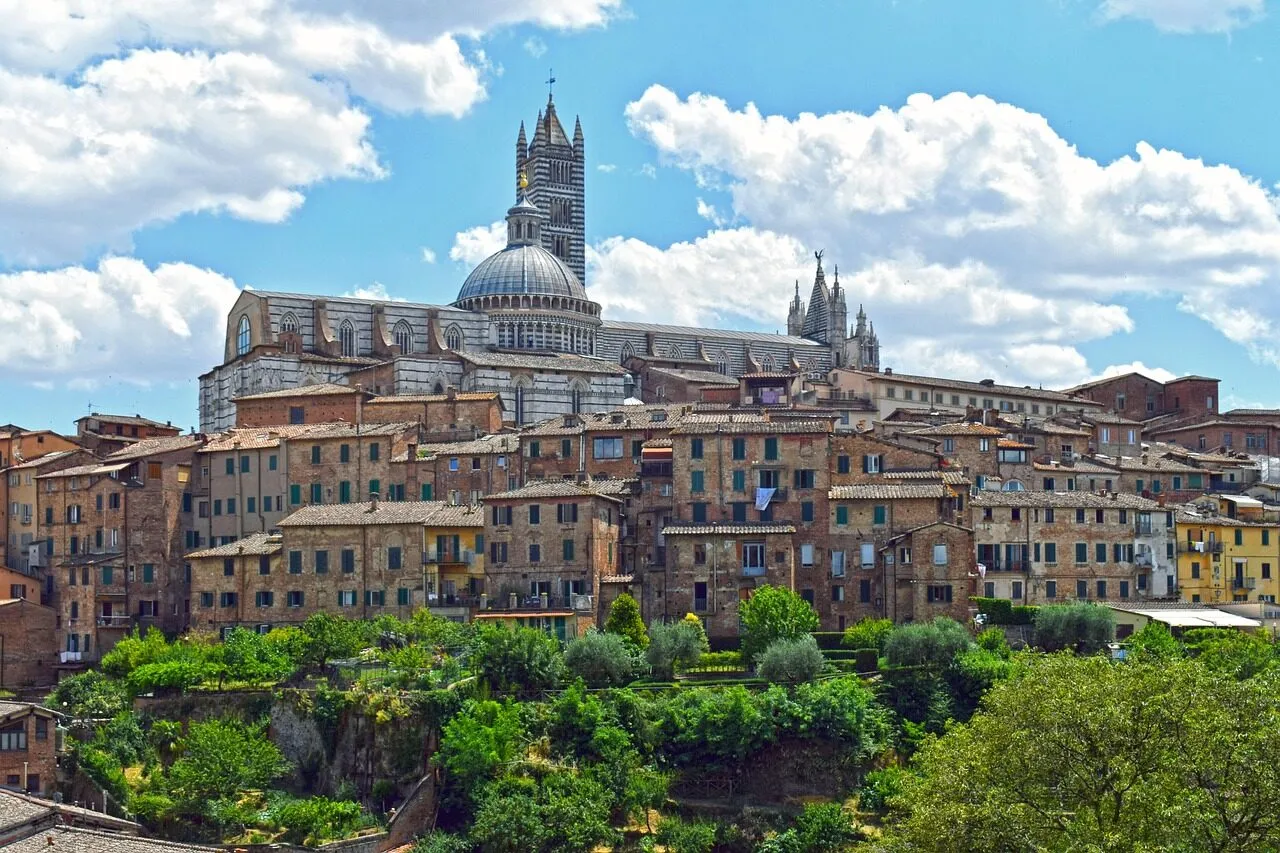
Siena is the classic day trip and one of the best-preserved medieval cities in Italy, with the shell-shaped Piazza del Campo, the towering Palazzo Pubblico and the striped cathedral, and the Palio horse race in July and August. It is about 1h 30 from Florence by train or bus, and it deserves a full day, with the climb up the Torre del Mangia for the view over the hills. San Gimignano, south of Florence, is famous for its medieval towers, once dozens and now a handful, rising over the vineyards, and it is best early or late to avoid the crowds.
Pisa, an hour west by train, is the leaning tower and the cathedral square, the Campo dei Miracoli, and it is easily combined with Lucca, a walled city an hour from Florence with its intact Renaissance ramparts, which you can walk or cycle. Arezzo and Cortona are the eastern options, and the whole region is a network of small towns each with its own square, church and food. The trains and buses link the main ones, and a car opens the rest.
Chianti and the Val d’Orcia
The wine country is the other half of Tuscany, and it is best seen slowly. Chianti, between Florence and Siena, is the classic red wine region, a landscape of vineyards, olive groves and stone farmhouses, with the villages of Greve, Castellina and Radda, and the wine estates that run tastings and lunches. It is the closest wine country to Florence, reachable by bus or car, and a day of two or three tastings is the way to do it.
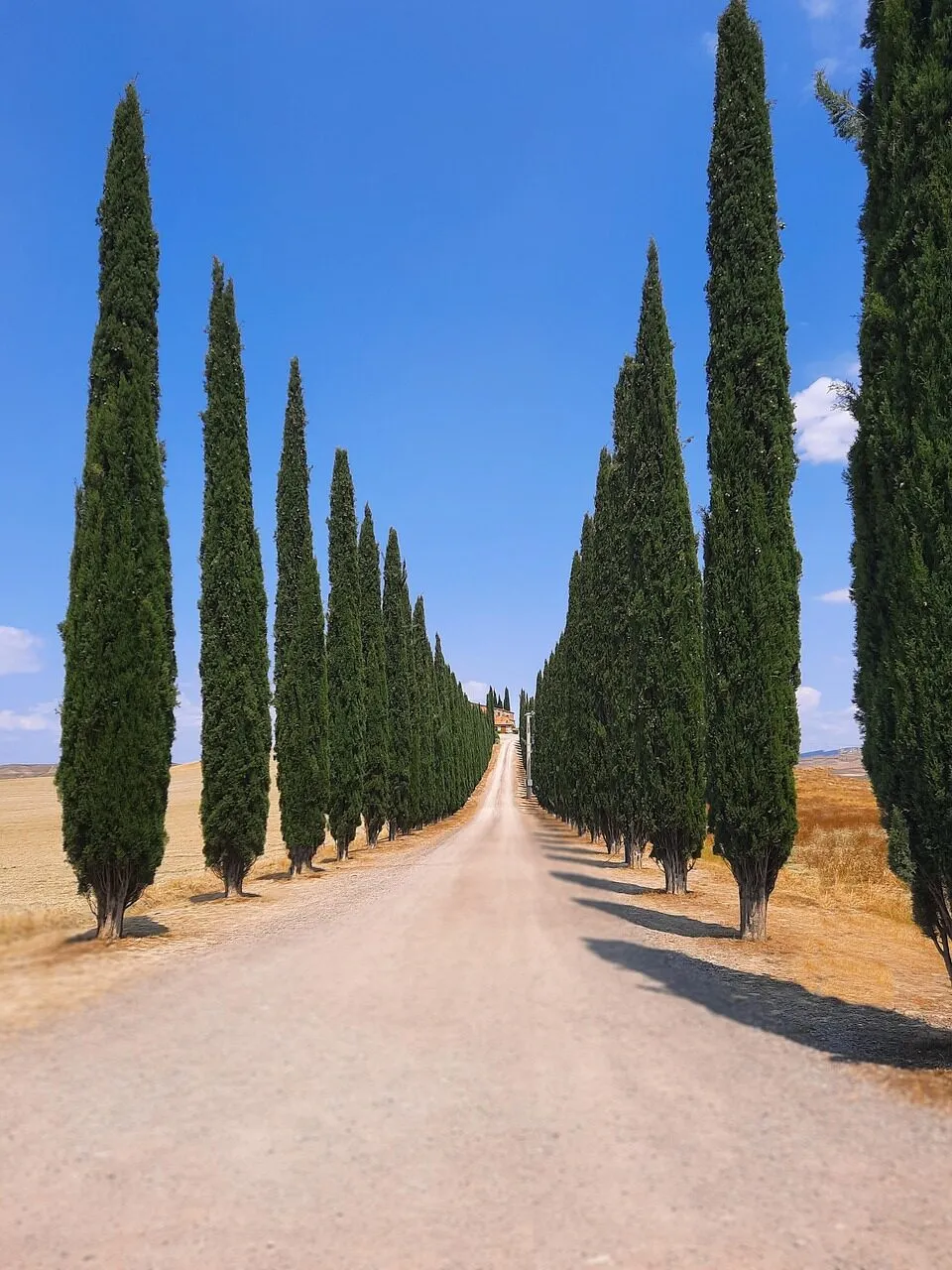
Further south, the Val d’Orcia is the postcard Tuscany, a UNESCO World Heritage landscape of rolling hills, cypress avenues and hill towns, with Pienza, Montalcino and Montepulciano, and the Brunello and Vino Nobile wines. It is about two hours from Florence by car, and it is the region to base in for a few nights if you want the countryside rather than the city. The roads are slow and beautiful, and the viewpoints, the abbey of Sant’Antimo and the thermal springs at Bagno Vignoni, are the rewards.
Getting around
Florence is the hub. The high-speed trains link it with Rome in about 1h 30, with Venice in about 2h and with the rest of Italy, and the local trains reach Pisa, Lucca, Arezzo and Siena, with Siena also served by bus. For the towns, the train and bus are enough; for the countryside, the Chianti and the Val d’Orcia, a car makes the trip far easier, because the buses are thin and the best roads, viewpoints and vineyards are rural and hard to reach without one.
The sensible pattern is the cities by train and a car for two or three days in the wine country, picked up in Florence or Siena. Florence itself is a no-car city, with a restricted zone in the centre and expensive parking, so do not drive into it. If you base in the countryside, a farm stay or a villa in Chianti or the Val d’Orcia, the car becomes part of the pleasure rather than a chore.
Food
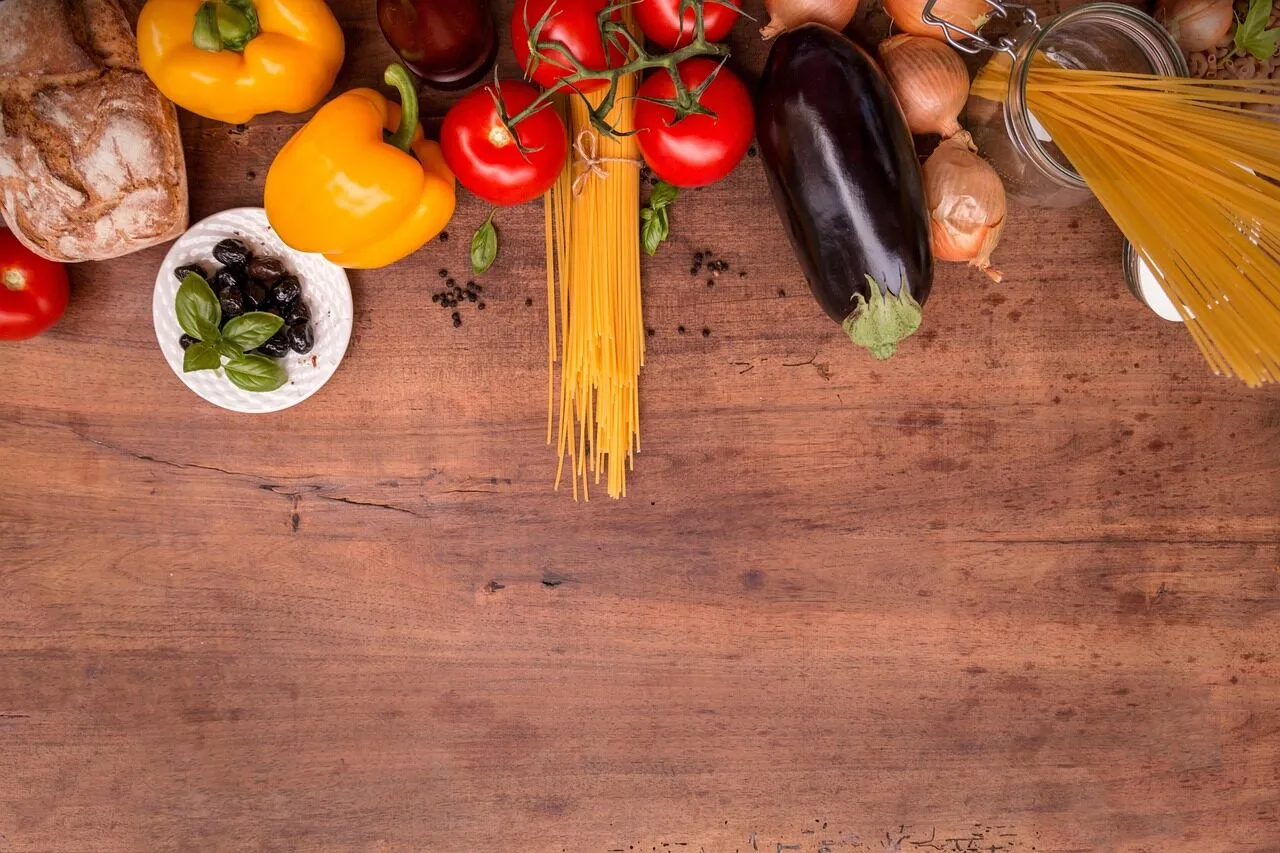
Tuscan food is rustic and seasonal, built on bread, beans, olive oil and grilled meat. Ribollita, the bread and vegetable soup, and pappa al pomodoro, the tomato and bread soup, are the classic peasant dishes, along with the crostini and the pecorino cheese. The bistecca alla fiorentina, a huge T-bone grilled over the fire, is the celebratory dish, and the simplest meals, bread, olive oil, tomatoes and salami, are often the best.
The wine is the other draw: Chianti Classico, Brunello di Montalcino, Vino Nobile di Montepulciano and the Vernaccia of San Gimignano, all best tasted at the estates. Eat in the trattorias of the Oltrarno and the small towns rather than the tourist restaurants near the Duomo, and drink the local wine by the glass. The wider picture is in the Italian food guide.
When to go
April to June and September to October are the best months, with mild weather, open countryside and far fewer people than the summer. May and June bring the green hills and the wildflowers, and September and October the grape harvest, with the wine country at its most beautiful and the cities still warm. These are also the months when the Uffizi and the Accademia are less crowded.
July and August are hot and crowded, with the cities baking and the galleries and squares at their fullest, so book everything ahead if you come then. Winter is cold and quiet, good for the art and the food and the cities without the crowds, with the Christmas markets in December. Whatever the month, book the Uffizi, the Accademia and the Duomo climb ahead, and go early for the popular sights.
Practical information
| Florence | Two full days: the Duomo, the centre and the Oltrarno, plus the Uffizi and the Accademia. Book both galleries with timed entry, about 25 EUR and 16 EUR, and climb the dome or the bell tower for the view. |
|---|---|
| Day trips | Siena about 1h 30 by train or bus, Pisa and Lucca about an hour by train, San Gimignano and the Chianti by bus or car, the Val d’Orcia by car. |
| Getting around | Trains and buses for the cities; a car for the Chianti and the Val d’Orcia. Florence has a restricted traffic zone, so do not drive into the centre. |
| Food | Ribollita, pappa al pomodoro, bistecca alla fiorentina and pecorino, with Chianti, Brunello and Vino Nobile wines. |
| When to go | April to June and September to October. July and August are hot and crowded. Winter is cold and quiet but good for the art and the food. |
Disclosure. This blog post contains affiliate links. If you book through them, Mediterranean Vibes may earn a small commission at no extra cost to you; it is how the site stays up.