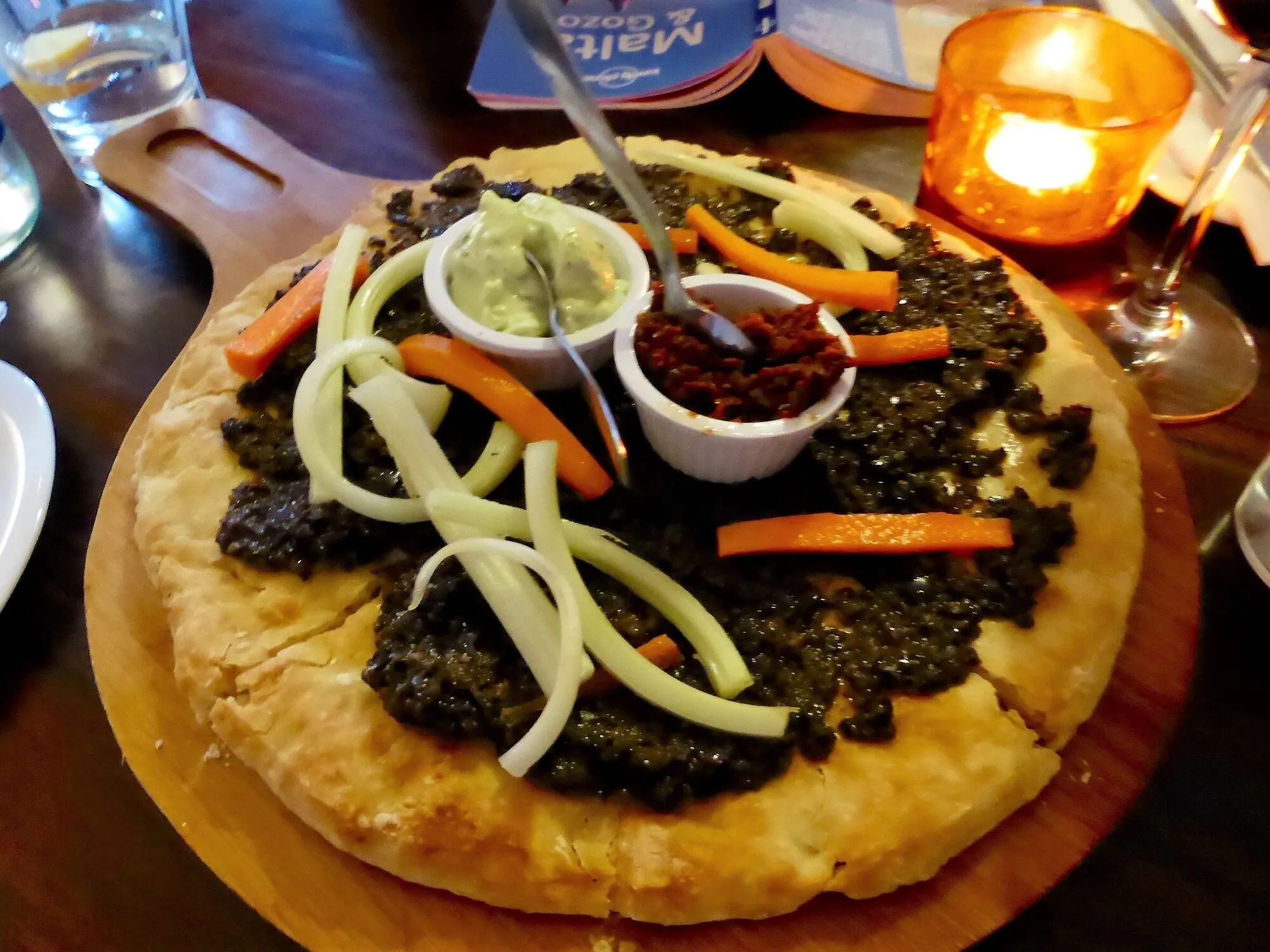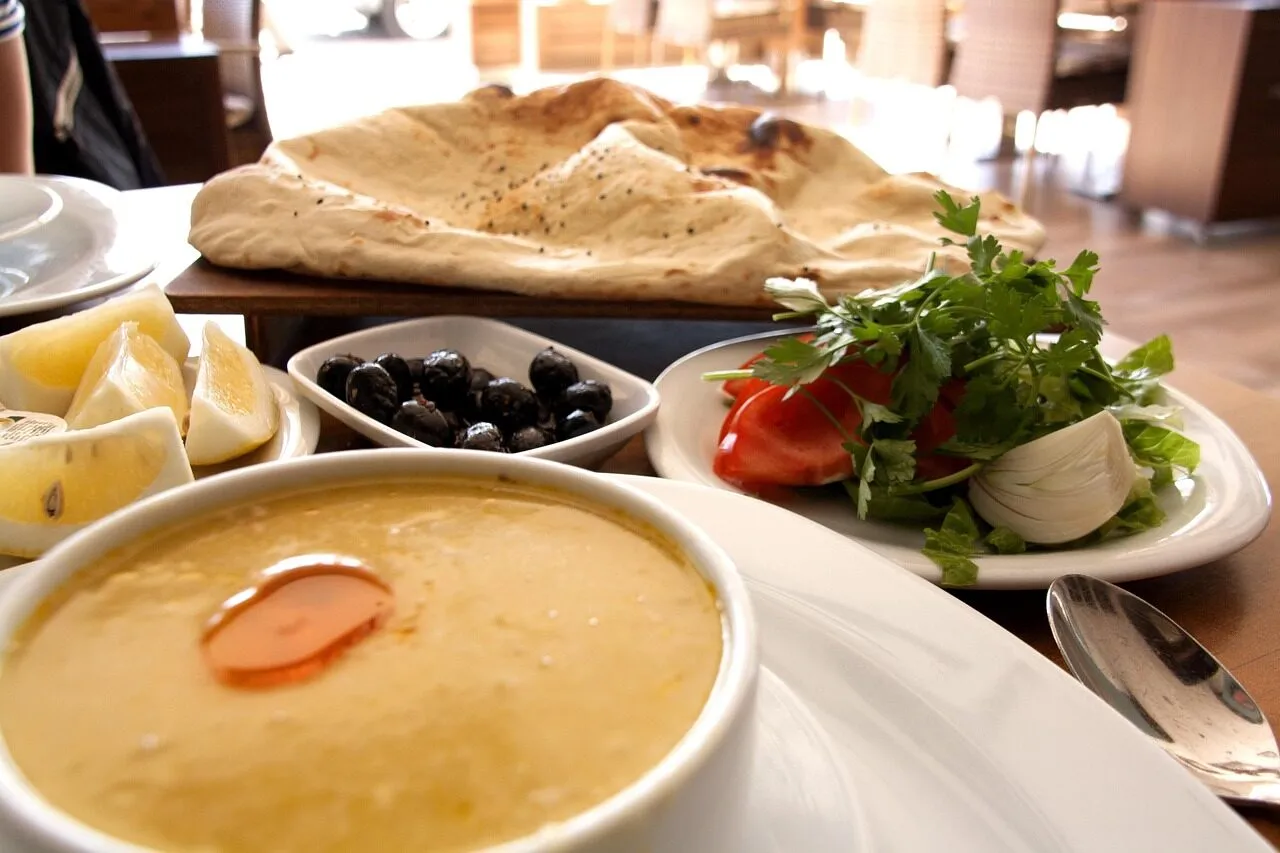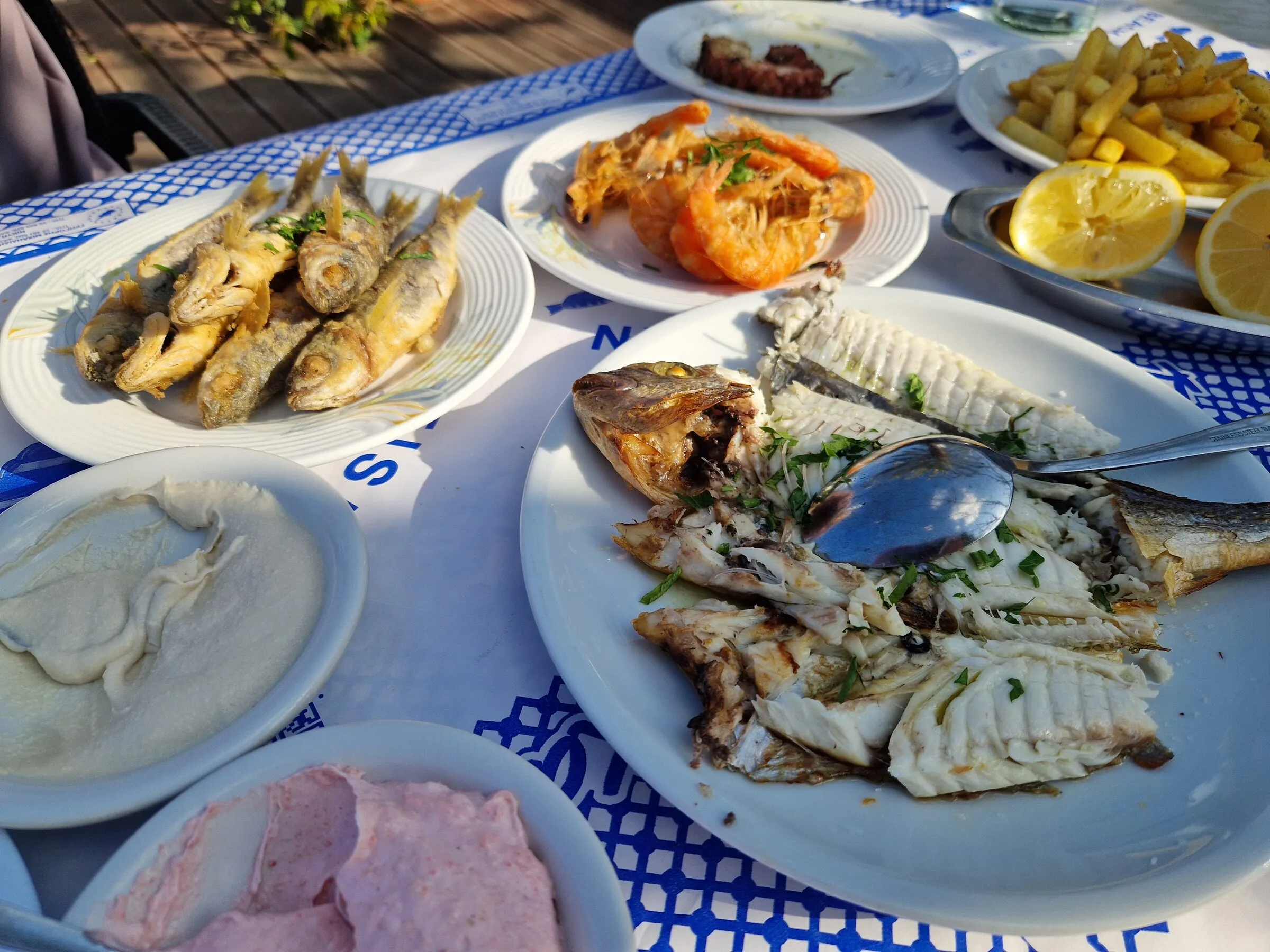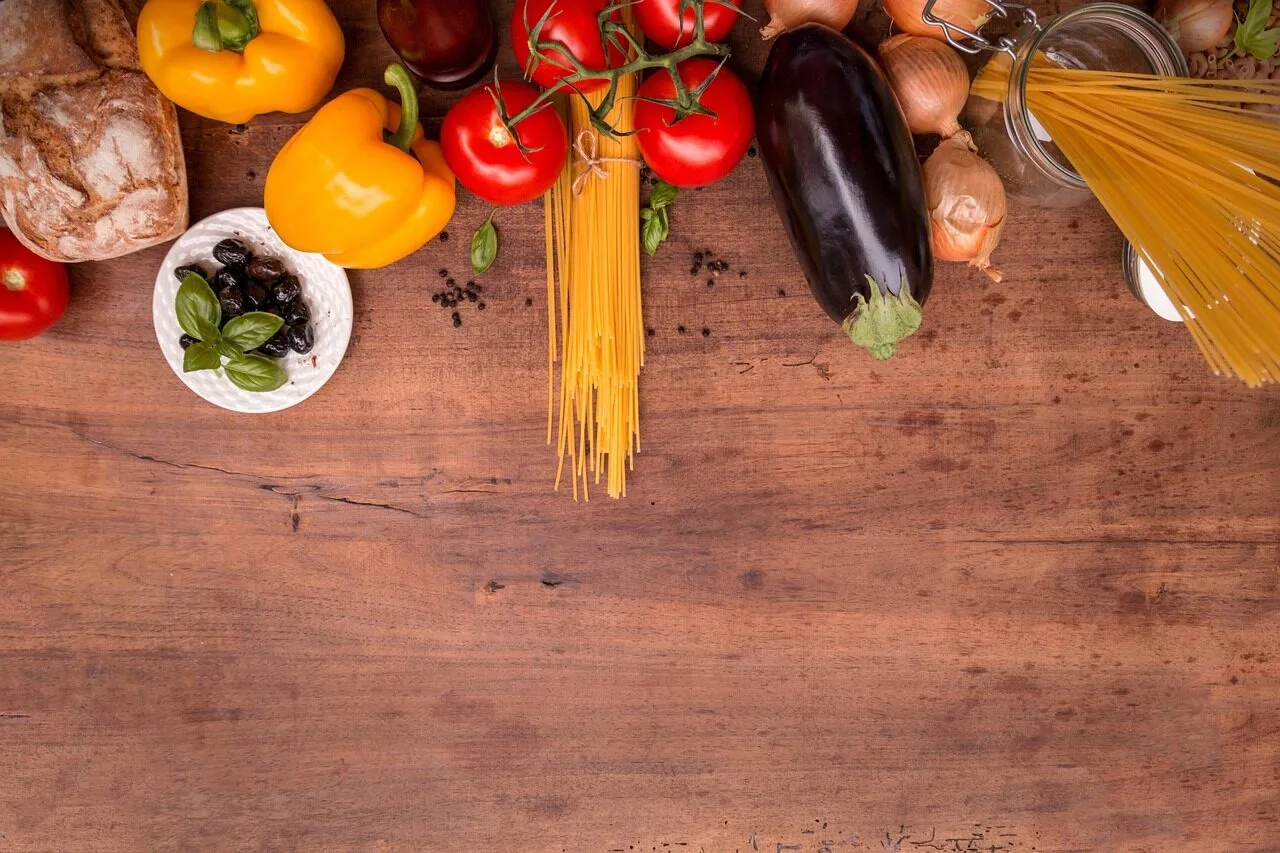
Italian food is the most famous cuisine in the world and the most misunderstood, because what most of the world calls Italian is really Italian-American or a tourist version of one region. The real thing is not one cuisine but twenty, changing every forty kilometres or so: the butter and rice of the north, the olive oil and pasta of the centre, the tomato and pizza of the south, and the Arab-influenced cooking of Sicily. To eat well in Italy is to eat regionally, and to know the few rules that separate a good meal from a tourist trap.
This guide covers the food that matters, from pizza and pasta to coffee and gelato, the regional differences, and how and when to eat, so you can order like you know what you are doing. It is the culinary companion to the Italy itinerary, and it fits the wider Mediterranean pattern in the Mediterranean diet guide.
Plan and book
3 food experiences- Food tour
Walk a city with a local guide and taste the classics in one afternoon, from Rome to Naples.
Find a food tour - Cooking class
Make pasta, pizza or tiramisu with an Italian cook, then eat what you made.
Find a cooking class - Wine tasting
Taste the regional wines, from Chianti and Barolo to Primitivo and Etna Rosso, at a local winery.
Find a wine tasting
What is Italian food
Italian cooking is built on a few principles: a small number of good ingredients, cooked simply, and eaten in season and locally. The base is the Mediterranean triad of wheat, olives and vines, plus the vegetables, the cheese and the cured pork that the country does so well. What changes by region is everything else: the fat, the starch and the flavour, so the north cooks with butter and rice, the centre with olive oil and pasta, and the south with tomato and pizza.
The reason the food is so good is also the reason it is so varied. Italy was a patchwork of city-states and kingdoms until the nineteenth century, each with its own produce and traditions, and those differences survive in the kitchens. A carbonara in Rome, a risotto in Milan and a cannolo in Sicily are not variations on one dish; they are different cuisines, and eating your way around the country is one of the best reasons to travel it.
Pizza
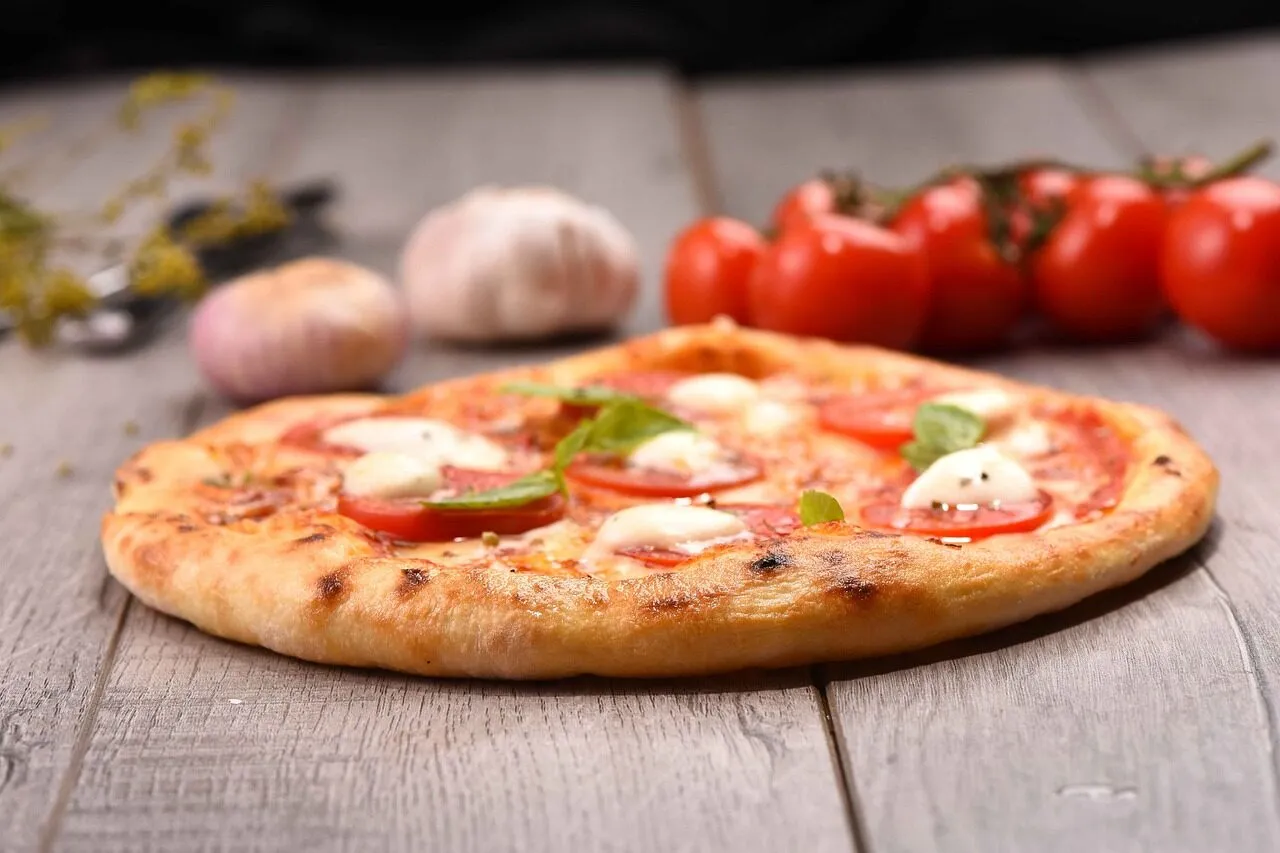
Pizza was born in Naples, and the original is still the best: a thin base, a simple topping and a hot wood oven. The two classics are the margherita, with tomato, mozzarella and basil, and the marinara, with tomato, garlic and oregano and no cheese, and Neapolitan pizza is protected as a traditional speciality, so a real pizzeria follows the rules. In Naples the pizzerias run from the famous, with the long queues, to the everyday, and the pizza is cheap, fast and eaten with a knife and fork or folded.
Outside Naples, Rome has its own styles, the thin, crisp pizza and the pizza al taglio, sold by the slice and weighed, and the rest of the country has its regional variations. What to avoid is the tourist pizza with too many toppings and a thick, heavy base; what to look for is a short menu, a hot oven and a local crowd. A margherita and a beer or a glass of local red is the whole meal.
Pasta
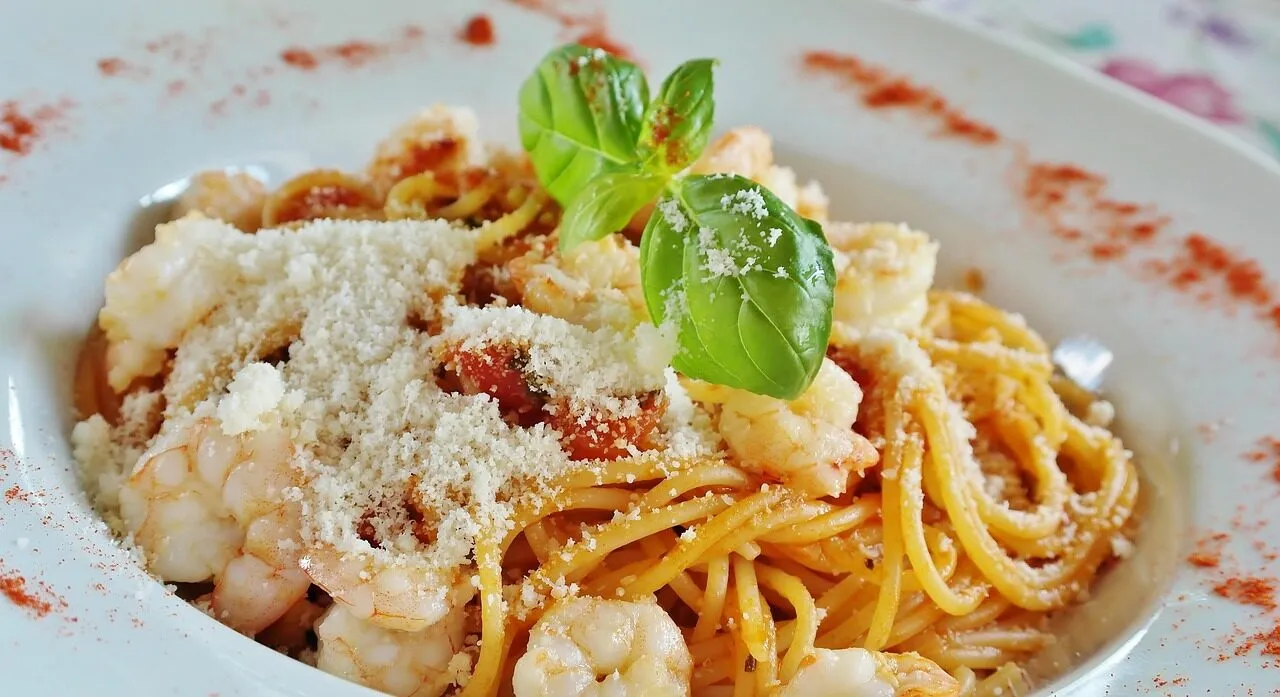
Pasta is the everyday food of the whole country, made in dozens of shapes and matched to the sauce: long and thin for the light sauces, short and ridged for the heavy ones, and the shape matters as much as the sauce. The classic Roman sauces are the ones to know: carbonara, with egg, pecorino and guanciale and never cream; amatriciana, with tomato and guanciale; and cacio e pepe, with pecorino and pepper and nothing else. Bologna gives the ragù, Liguria the pesto, Puglia the orecchiette with cime di rapa.
The rules are simple. The pasta should be al dente, the sauce should cling rather than drown, and the portions in a good trattoria are smaller than the tourist plate. Order what the region does best rather than what you eat at home, and the meal improves immediately. A plate of pasta is often a first course, followed by a second of fish or meat, but for lunch or a lighter dinner the pasta alone is plenty.
The regions
The north, from the Alps to the Po valley, cooks with butter, cream, rice and polenta, with the risotto of Milan, the polenta of the mountains, the truffles of Alba and the cured meats of Emilia, and the wines of Piedmont and the Veneto. The centre, Tuscany, Umbria, Lazio, is the olive oil and pasta heartland, with the grilled meats and the ribollita of Tuscany, the cured pork of Norcia and the Roman pasta dishes, all cooked in the green oil of the hills.
The south, from Naples to Puglia and Calabria, is the tomato and pizza country, with the best pizza in Naples, the mozzarella and the seafood of Campania, the orecchiette and the olive oil of Puglia, and the chilli of Calabria. Sicily is its own world, with the arancini, the cannoli, the granita, the aubergine dishes and the sweet-and-sour flavours of its Arab and Norman past, plus the fish and the citrus. Eating by region is the whole game.
Coffee and aperitivo
Coffee in Italy is a quick ritual, not a long sit. The espresso is drunk standing at the bar, which is cheaper than a table, in a single gulp, and the cappuccino is a morning drink rather than an after-meal one. The bar is where the day starts and where it pauses, and the coffee is excellent and cheap. Order a caffe for an espresso, a macchiato for one with a drop of milk, and a cappuccino before noon.
The aperitivo is the other ritual, the drink and the snacks before dinner, usually a spritz or a negroni with olives, chips or a small plate. In the cities, some bars turn the aperitivo into a buffet for the price of the drink, which makes it a cheap early dinner. It is the social hour of the Italian evening, before the late dinner and the walk, and it is worth building into the day.
Sweets
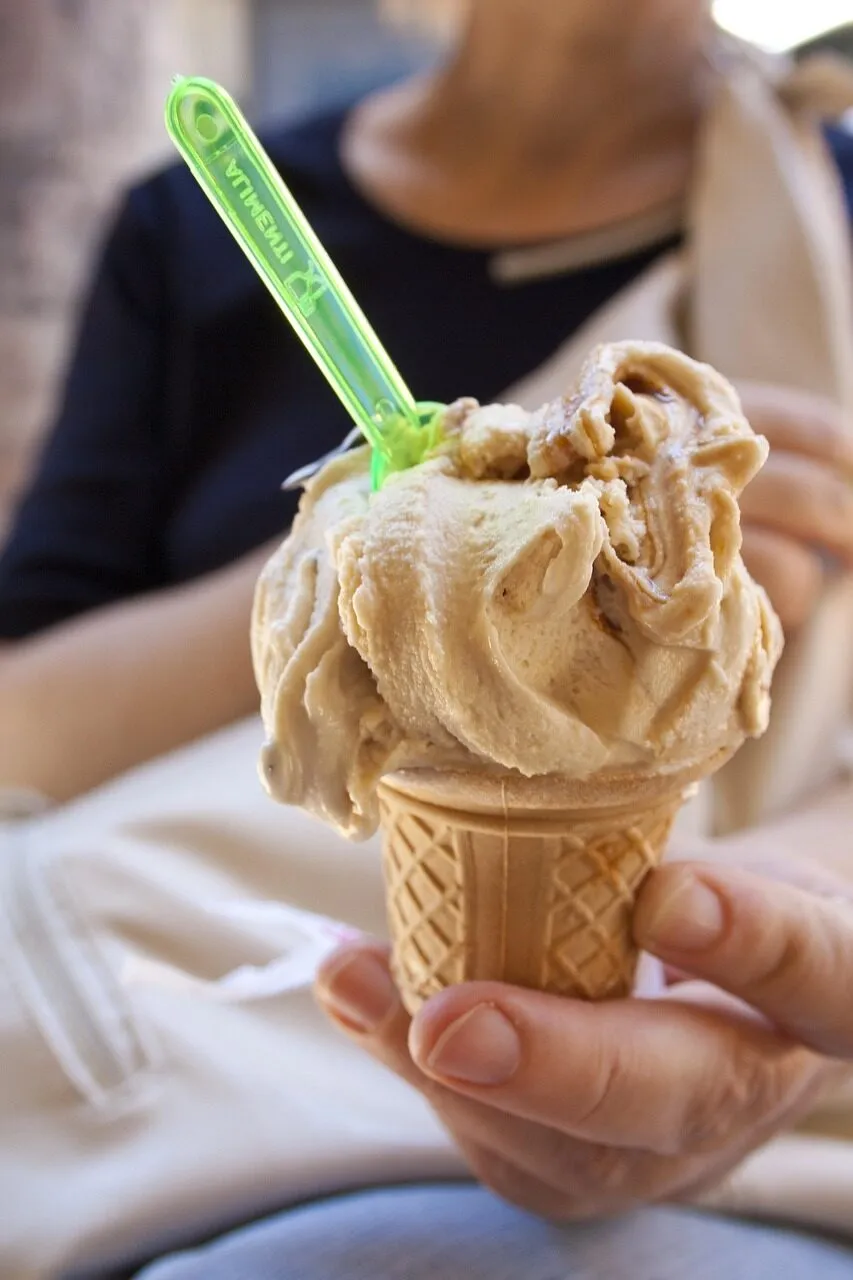
Gelato is the sweet most people come for, and the good stuff is made fresh daily, with natural colours and a short ingredient list, sold in small batches rather than piled in artificial mountains. Look for a shop with covered tubs and a queue of locals. The other sweets are regional: tiramisu in the Veneto, cannoli and cassata in Sicily, sfogliatella and baba in Naples, panettone at Christmas and the almond biscuits of the south.
The pastries are as good as the gelato, and the Italian bar is the place to try them, with a coffee in the morning or a sweet after the walk. A sfogliatella in Naples or a cannolo in Sicily, eaten standing at the bar, is as much a part of the trip as any museum.
Where to eat
The best Italian meals are often the least planned, in a trattoria or an osteria with a short menu, a local crowd and a handwritten board, rather than a restaurant with photographs of the food. Look for the places away from the main square, where the menu is in Italian, and where the specials change with the market. The markets themselves are worth a visit, for the produce, the cheese and the street food, and the food halls in the big cities are a good way to taste several things at once.
The practical rules are few. A coperto, a small cover charge, is normal at sit-down meals, and tipping is optional, a euro or two at most. Lunch, not dinner, is the main meal in many places, and restaurants may close between the two, so plan around the rhythm. Order the regional dish, drink the regional wine, and finish with a coffee at the bar, and you will eat well almost anywhere in Italy. The wider Mediterranean pattern is in the Mediterranean diet guide.
Practical information
| Must try | Neapolitan pizza, the Roman pasta dishes (carbonara, amatriciana, cacio e pepe), risotto and polenta in the north, orecchiette in Puglia, arancini and cannoli in Sicily, and gelato everywhere. |
|---|---|
| Coffee | Espresso standing at the bar, cheaper than a table; cappuccino in the morning only. A caffe is an espresso, a macchiato has a drop of milk. |
| Aperitivo | A spritz or a negroni with snacks before dinner, the social hour of the Italian evening, sometimes with a buffet for the price of the drink. |
| Costs | A coffee at the bar about 1.20 EUR, a pizza or pasta 8 to 15 EUR, a trattoria dinner with wine 25 to 40 EUR a head, plus a coperto of 1 to 3 EUR. Tipping optional. |
| When to eat | Lunch 12:30 to 14:30, the main meal in many places; dinner from 19:30 or 20:00. Restaurants may close between the two, so plan around the rhythm. |
Disclosure. This blog post contains affiliate links. If you book through them, Mediterranean Vibes may earn a small commission at no extra cost to you; it is how the site stays up.