Italy is the dream base for a lot of remote workers, and the reasons are obvious: the food, the culture, the trains, the light and the sheer density of things worth seeing within an hour of almost anywhere. It is an EU country with a digital nomad visa, and it is a place people want to live, not just visit. The catch is that Italy is a more selective and more bureaucratic option than Portugal or Greece, and the language is a bigger barrier than in most of the Mediterranean.
This guide sets out the visa and its requirements, the tax picture, the real cost of living and where to base, so you can weigh Italy honestly against the other Mediterranean options. It completes the site’s remote work series with Spain, Greece, Malta and Portugal, and the Italy itinerary covers the short trip version.
Plan and book
3 partners- Flights
Fly into Rome, Milan or Naples, with direct links across Europe. Compare routes.
Search flights - Trains
Scout the country cheaply: the high-speed line links Rome and Florence in about 1h 30.
Compare trains - Where to live
Apartments and long-stay lets in Milan, Rome, Florence, Bologna and the south.
Find a place
Why Italy
The lifestyle case is the strongest of any Mediterranean country. Italy has the food, the art, the coffee culture and the evening rhythm, and the high-speed trains make the whole country accessible, so a weekend can be a different city or a different coast. It is in the EU and Schengen, on the euro, and the time zone suits European clients. For a remote worker who wants to live somewhere rather than just work from it, Italy is hard to beat.
The trade is that it is a harder base than Portugal or Greece. The visa is more selective, the bureaucracy is real, and English is less widely spoken outside the tourist centres and the big cities, so daily life takes more Italian than in Portugal or the Netherlands. The cost of living is also higher in the north, though the south is cheap. Italy rewards the remote worker who is willing to invest in the language and the paperwork, and who wants the culture more than the convenience.
The digital nomad visa
Italy introduced a digital nomad visa in 2024, aimed at highly qualified non-EU remote workers. The requirements are specific: a degree or professional qualification and at least five years of relevant experience in the field, remote work for a non-Italian employer or clients, health insurance, and accommodation in Italy. It is not a route for everyone who works online; it is for skilled professionals, which makes it narrower than the equivalent in Portugal or Greece.
The income requirement is set as a formula rather than a fixed figure, at least three times the threshold for exemption from Italian healthcare cost-sharing, which works out to roughly 25,500 EUR a year, or about 2,125 EUR a month. The threshold moves, so confirm the current number with the Italian consulate before you apply. The permit is issued for one year and is renewable, and it leads towards longer-term residence. Because the visa is new and the guidance is still settling, check the current requirements with the consulate or a relocation adviser rather than relying on older summaries.
Tax
Italy’s ordinary income tax is progressive and rises to about 43 percent at the top, which is high by Mediterranean standards, but there are incentives that change the picture for new residents. The impatriate regime, the lavoratori impatriati, gives new tax residents a substantial exemption on Italian-source income for a number of years, and there are flat-tax options for high earners who move their residence to Italy. These are targeted and have conditions, so most remote workers should expect to pay something closer to the ordinary rates.
The detail matters and it changes, so treat this as the shape of the system rather than advice, and confirm your own position with an Italian tax adviser before you move. The combination of a progressive system and a generous new-resident exemption means the effective rate for the first years can be much lower than the headline, which is one reason Italy has become more attractive to remote workers despite the higher nominal tax.
Cost of living
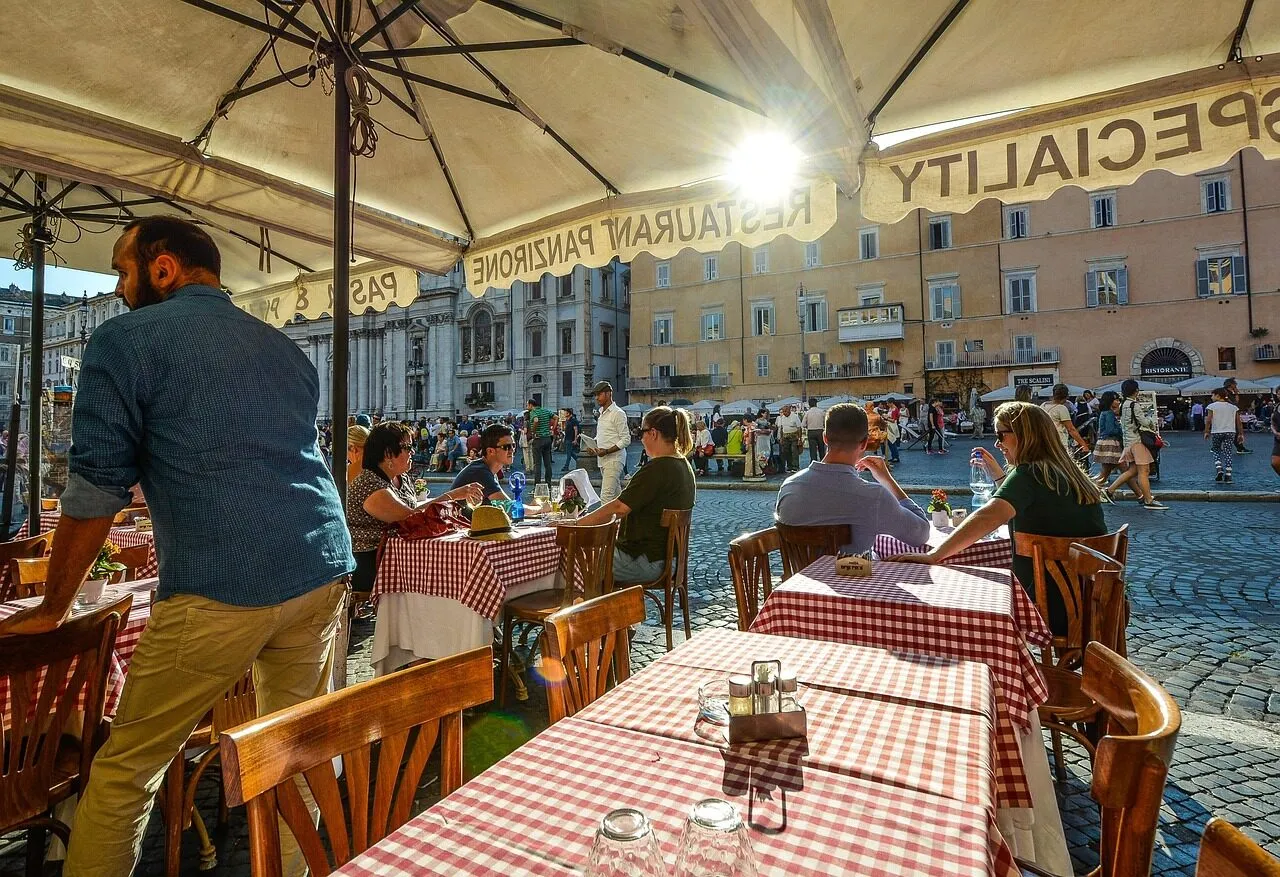
The cost of living in Italy has one dominant feature: the gap between the north and the south. Milan and the northern cities are among the most expensive in Southern Europe, with high rents and a cost of living close to France or Germany, while Rome and Florence are moderate, and the south, Naples, Bari, Palermo and the smaller towns, is markedly cheaper, with rents and daily costs well below the north. That gap is one of the largest in Western Europe, and it means the same income buys a very different life depending on where you base.
Everyday costs are reasonable for the quality. Food is good value, especially the markets and the trattorias, the trains are cheap, and the healthcare is good, though the bureaucracy can be slow. The main cost is rent in the desirable northern and central cities, and the main saving is the south. For a remote worker on a European salary, the south and the smaller cities offer a genuinely affordable version of Italy, and the north offers the jobs, the network and the convenience.
Where to base
Milan is the business and tech hub, the best for work culture, networking and the startup scene, with the highest rents and the most international feel. Rome and Florence balance culture and lifestyle, with Rome the bigger and busier and Florence the smaller and more liveable, both full of cafes and history. Bologna is the university city, with a strong food and left-leaning culture and a good quality of life, and Turin is the underrated industrial city with elegant boulevards and lower costs.
The south is the value option. Naples is loud, cheap and full of life; Bari and Puglia offer the coast and the food at a fraction of the northern rents; Palermo and Sicily give the island life and the warmest winters. For remote workers, the practical split is between the work-oriented north and the lifestyle-oriented south, and the choice usually comes down to how much you need the network and the convenience against how far your money needs to go. English is less common than in Portugal, so some Italian makes daily life much easier.
Internet and coworking are good in the big cities, with fibre and a growing number of shared workspaces in Milan, Rome, Florence and Bologna, and the cafes a reliable fallback. Outside the cities the connection is slower but usually workable, and the community is smaller, so the cities remain the practical base for anyone whose work depends on fast, reliable internet and a professional network.

Practical information
| Visa | The digital nomad visa, introduced in 2024, for highly qualified non-EU remote workers: degree or qualification, five years of experience, remote work for a non-Italian employer, insurance and accommodation. One year, renewable. |
|---|---|
| Income | Set as a formula, at least three times the healthcare-exemption threshold, roughly 25,500 EUR a year or about 2,125 EUR a month. Confirm the current figure with the consulate. |
| Tax | Progressive up to about 43 percent, with the impatriate regime giving new residents a large exemption on Italian income for several years, and flat-tax options for high earners. Check with an adviser. |
| Cost of living | Milan and the north are the most expensive; Rome and Florence are moderate; the south, including Naples, Puglia and Sicily, is markedly cheaper, with the north-south gap one of the largest in Western Europe. |
| Where to base | Milan for work and network, Rome and Florence for culture and lifestyle, Bologna for a liveable university city, and the south for lower costs and a slower pace. English is less common than in Portugal, so some Italian helps. |
Disclosure. This blog post contains affiliate links. If you book through them, Mediterranean Vibes may earn a small commission at no extra cost to you; it is how the site stays up.