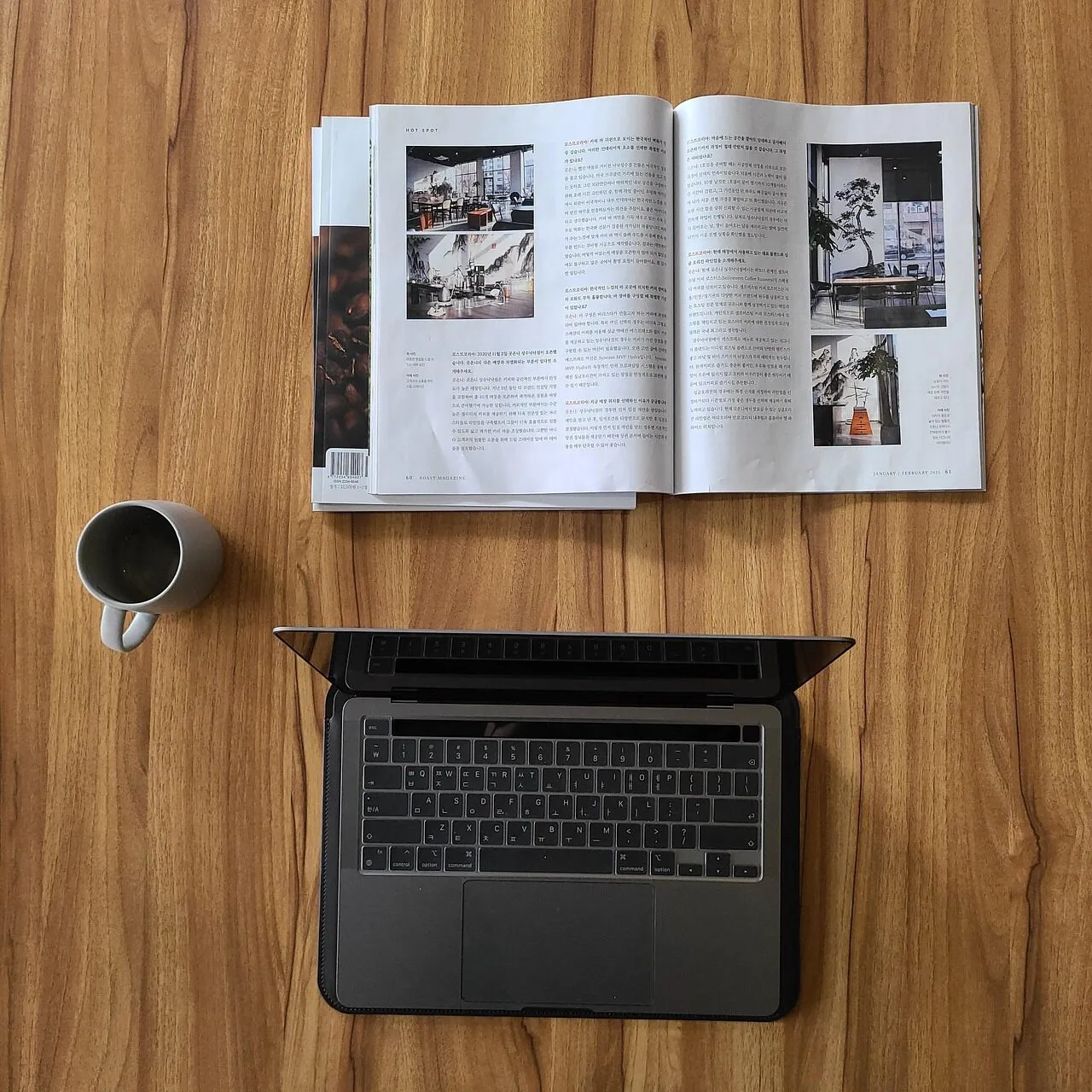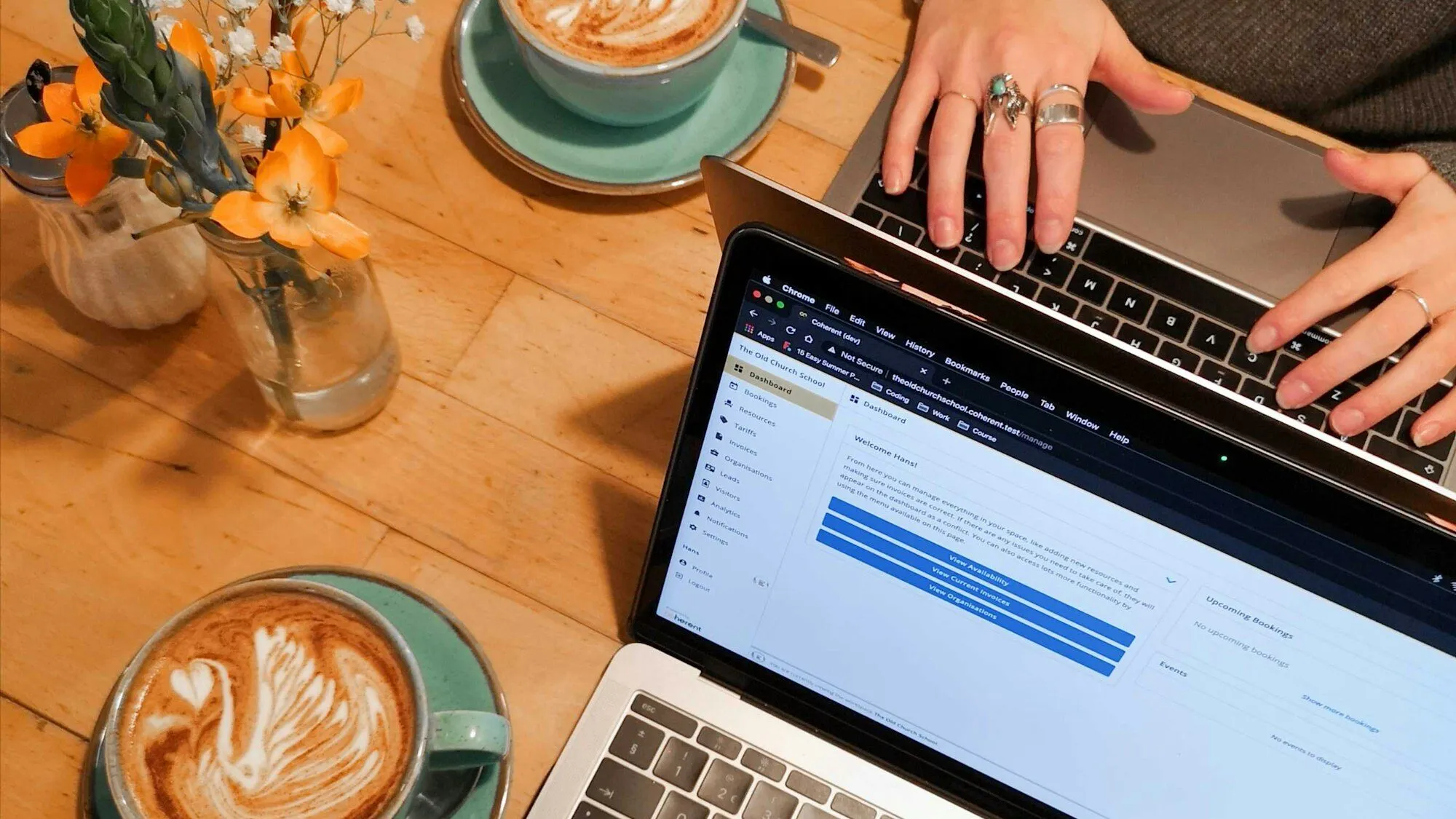
Malta has quietly become one of the Mediterranean’s easiest bases for remote work, and the reasons are straightforward. English is an official language, so nothing about daily life or bureaucracy is a language test. The country is a full EU and Schengen member on the euro, sitting in the CET time zone that suits clients across Europe. It gets over 300 days of sunshine a year, the sea is never far away, and the island is small enough that the commute is measured in minutes, not hours.
The trade is that Malta is not cheap by Mediterranean standards, and its nomad visa asks for a real income. But for a remote worker who wants an English speaking, EU, sunlit base with a proper professional infrastructure, it is hard to beat. This guide covers the permit and its rules, the real cost of living, where to live, and the practical side of the internet and coworking. It completes the site’s remote work trio with Spain and Greece, and the Malta itinerary and where to stay guide cover the short trip version of the same island.
Plan and book
3 partners- Flights
Malta International (MLA) has direct links across Europe, and the island is a short hop from most of the continent.
Search flights - Travel and transit
Link Malta with Sicily by ferry, useful for a visa run or a mainland trip.
Compare routes - Where to live
Apartments and studios in Sliema, St Julian’s and Valletta for short stays and longer lets.
Find a place
Why Malta
The case for Malta as a remote work base starts with language and status. English is one of the two official languages, alongside Maltese, and it is used in business, government and daily life, which removes the friction that remote workers hit in most of southern Europe. Because Malta is in the EU and Schengen and uses the euro, banking, travel within Europe and day to day life are all straightforward, and the CET time zone means you overlap with European clients for the whole working day.
Then there is the lifestyle. The island is small, so the sea, the cities and the airport are all close, and the climate delivers a long summer and a mild winter. The professional scene has grown with the island’s financial and gaming industries, so there are coworking spaces, reliable internet and a community of other remote workers and expats. It is more affordable than London, Paris or Amsterdam, though less so than the cheaper hubs of Eastern Europe, and the combination of English, sun and EU access is what people come for.
The Nomad Residence Permit
Malta has a dedicated route for remote workers, the Nomad Residence Permit, managed by Residency Malta. The headline requirement is a minimum gross annual income of about 42,000 EUR, proved through remote employment or self employment, along with health insurance and accommodation on the island. The permit is granted for one year and is renewable, and it allows family members to join, which makes it workable for couples and families as well as solo workers.
The tax treatment is the other reason the permit appeals. Income remitted to Malta is taxed at a flat 15 percent, which is simple and predictable compared with the progressive systems of most of Europe. The rules and figures are set by the agency and can change, so treat the numbers here as a starting point and confirm the current requirements, income threshold and tax treatment on the official Residency Malta site before you apply. Five years of legal residence on a permit such as this can also lead towards long term resident status, for anyone thinking beyond one year.
Cost of living
Malta sits in the middle of the European cost range: more expensive than the cheaper Eastern European bases, cheaper than London, Paris or Amsterdam. A single remote worker typically spends about 1,500 to 2,500 EUR a month including rent, and the biggest variable by far is accommodation. A one bedroom apartment in Sliema, St Julian’s or Valletta runs around 900 to 1,300 EUR a month, more for a sea view or a prime location, and less in the more residential areas or on Gozo.
Everything else is moderate. Coworking is about 200 to 350 EUR a month, food ranges from cheap pastizzi and market lunches to restaurant dinners, and transport is inexpensive, with buses at a few euros and a small island to cross. The island’s imported goods and Mediterranean rents mean it is not a budget destination, but for an English speaking EU base with sun, the numbers are reasonable, especially for anyone arriving from a major Western European city.
Where to base
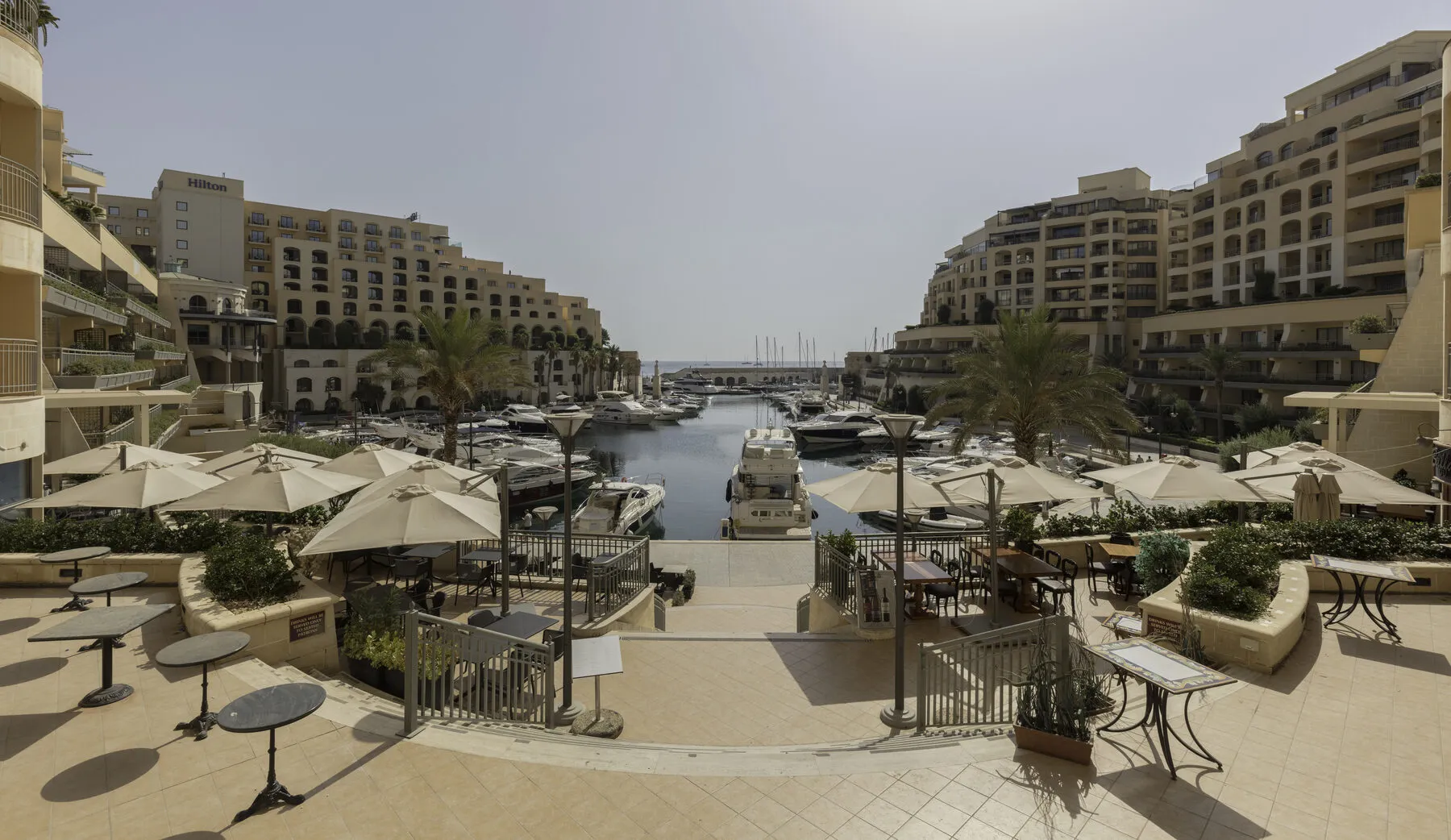
Three areas do most of the work for remote workers. Sliema is the all rounder, with the widest choice of apartments and studios, a seafront promenade, plenty of cafes and the ferry to Valletta on the doorstep, which makes it easy to move between work and the city. St Julian’s, around Spinola and Balluta Bay, has the modern marina, the best dining and the biggest cluster of coworking and networking, with the Paceville nightlife next door for those who want it.
Valletta is the characterful option, all baroque streets and Grand Harbour views, with coworking in the centre and a quieter evening rhythm once the day trippers leave. All three are small, central and well connected, so the choice is really about atmosphere and budget. For the detail on each, and on the quieter options like the Three Cities and Gozo, see the where to stay guide.
Internet and coworking
The infrastructure is good. Home internet runs on fibre from the main providers, with speeds commonly from 100 Mbps up to several hundred, and mobile data is fast and widely available. For anyone whose work depends on calls and large transfers, Malta is a comfortable place to base, and the island’s small size means you are never far from a backup connection or a cafe.
Coworking is well established, with spaces in Valletta, Sliema and St Julian’s offering hot desks, private offices and meeting rooms, typically for about 200 to 350 EUR a month. Many remote workers blend the two, working from home for the quiet days and taking a coworking membership for calls, community and a change of scene. The cafes in Sliema and Valletta are the third option, and the sheer number of them is part of why the island works so well for this kind of work.
Practical information
| Permit | The Nomad Residence Permit, from Residency Malta, requires about 42,000 EUR gross annual income, proof of remote work, health insurance and accommodation. One year, renewable, family included. Confirm current figures on the official site. |
|---|---|
| Tax | A flat 15 percent on income remitted to Malta, simple for remote workers. Check the current treatment with Residency Malta or a tax adviser. |
| Costs | About 1,500 to 2,500 EUR a month for a single remote worker including rent; one bedroom apartments around 900 to 1,300 EUR; coworking about 200 to 350 EUR. |
| Language and status | English is an official language, and Malta is an EU and Schengen country on the euro, with a CET time zone that suits European clients. |
| Where to base | Sliema for apartments and the ferry, St Julian’s for cafes, marina and coworking, Valletta for character and centrality. Quieter options are the Three Cities and Gozo. |
Disclosure. This blog post contains affiliate links. If you book through them, Mediterranean Vibes may earn a small commission at no extra cost to you; it is how the site stays up.