Malta is one of the smallest countries in Europe and one of the densest, an archipelago in the middle of the Mediterranean where you can cross the main island end to end in about forty minutes. That smallness is the appeal and the trap. Because everything looks close on the map, people try to do too much and spend their trip on buses, when the honest plan is to pick two or three bases and let the ferries and buses do the rest.
This guide is the planning layer for the islands. It sets out how many days you actually need, how the transport works and what it costs, and three ready made itineraries for three, five and seven days. It also covers where to base yourself and the best months to come. Every fare and price is checked against the operator or the transport authority for 2026, and the number that matters most, the difference between a relaxed trip and a rushed one, is the number of places you choose per day.
Malta is an EU and Schengen country on the euro, and English is an official language alongside Maltese, which makes it unusually easy to navigate. A short flight from most of Europe, a ferry country at heart, and small enough to see properly in under a week. If you want the individual deep dives, the Valletta guide and the Mdina guide cover those cities in full, and the Malta country guide has the background.
Plan and book
3 partners- Flights
Most trips start with a flight into Malta International (MLA). Compare routes from wherever you are.
Search flights - Tours and boats
The Blue Lagoon, the Blue Grotto, Gozo day trips and diving, all bookable before you land.
Browse activities - Where to sleep
Rooms in Valletta, Sliema, St Julian’s and on Gozo, sorted by area, price and review score.
Find a room
How many days
Three days is the minimum that feels like a trip rather than a stopover, and it covers the three headline experiences: Valletta, Mdina and one day on the water, either Gozo or Comino. Five days is the sweet spot for a first visit, because it absorbs the slow parts, a Gozo crossing, an afternoon on a beach, a boat trip, without anything being cut. Seven days lets you move more slowly, add the Three Cities, a dive or a full boat day, and spend a night on Gozo rather than seeing it on the run.
The constraints are not distance but opening hours and ferry times. Valletta’s cathedral and museums close in the mid afternoon, Mdina’s paid interiors close earlier still, and the Comino boats stop in the late afternoon. Build the days so the fixed hours come first and the flexible time, the streets, the harbour, the swimming, fills in around them. The temptation to add Gozo and Comino and the Blue Grotto to a three day trip is the single most common mistake; each one is a half day or more once you count the travel.
Getting around
Malta runs on buses, and they are good value even without a card. A single day-route journey costs 2 EUR in winter and 2.50 EUR in summer, valid for two hours with transfers, so a trip that involves a change is still one fare. A night route is 3 EUR, the 12 single journeys card is 19 EUR, and the 7 day Explore card is 25 EUR and covers unlimited day and night routes. The one thing to know is that the fast Tallinja Direct (TD) airport routes are charged separately at 3 EUR, or 3.50 EUR on the TD1, even if you hold the Explore card. A ticket on the bus can be bought with cash or a contactless card, and it is valid for two hours from the moment you tap.
Harbour ferries replace buses for the two crossings that matter. The Sliema to Valletta ferry takes about 15 minutes and runs every half hour, at 3 EUR single and 5 EUR return for adults, and it is far better than the bus around the harbours. A valid ferry ticket also includes the Barrakka Lift on the same day, which saves the climb from the waterfront to the Upper Barrakka Gardens. The Valletta to Three Cities ferry works on the same model.
For Gozo the choice is the traditional Gozo Channel car ferry from Cirkewwa at the north of Malta to Mgarr, about 25 minutes and running around the clock every 30 to 45 minutes in summer, for 4.65 EUR foot passenger return. The trick is that you pay on the way back, at Mgarr, not at Cirkewwa, which confuses first timers who queue expecting a ticket window. The alternative is the Gozo Highspeed catamaran, which leaves from Valletta in about 45 minutes for 7.50 EUR one way, or from Sliema for 8.50 EUR, and saves the long bus ride to the northern tip. From the airport, the TD4 reaches Valletta in about 20 minutes for 3 EUR, while a fixed fare taxi is about 17 EUR to Valletta and 20 EUR to Sliema or St Julian’s.
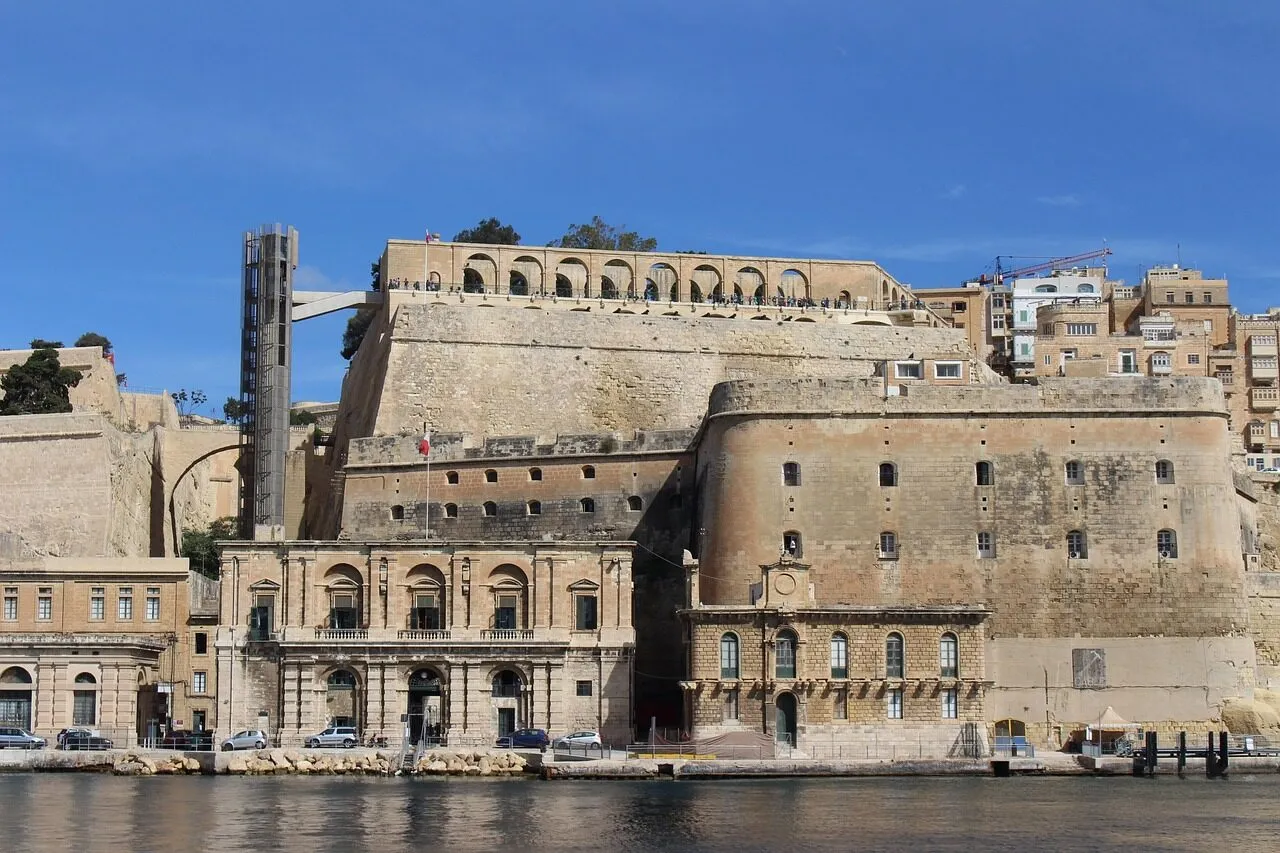
3 days in Malta
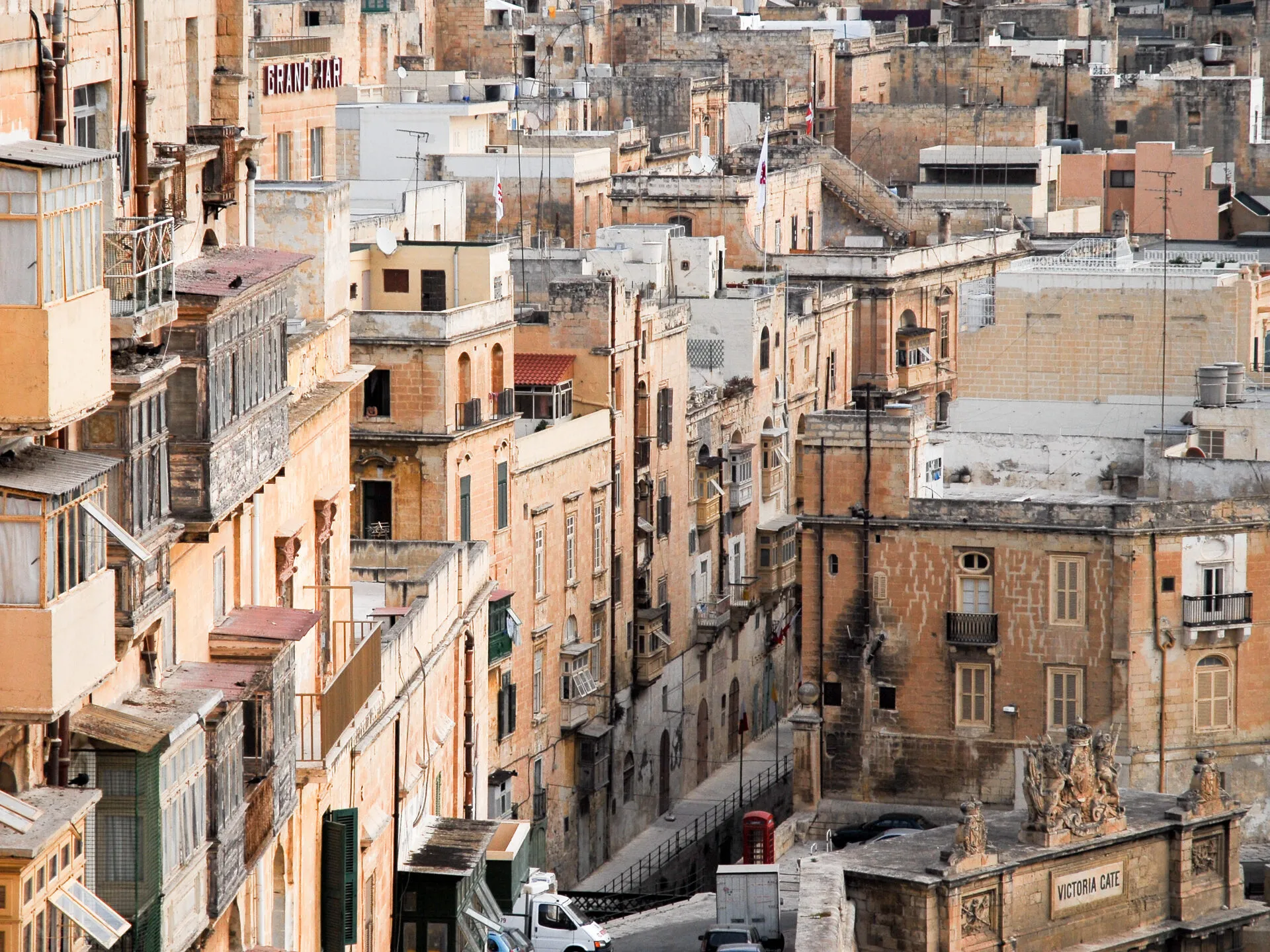
Day one is Valletta, and the whole day. Walk the grid of streets from the City Gate to Fort St Elmo, see St John’s Co-Cathedral with its Caravaggio and its inlaid marble floor, and time the Upper Barrakka for the noon gun fired from the Saluting Battery. Book the cathedral for the morning, take a long lunch, and spend the late afternoon on the harbour bastions. The city closes early, so the evenings are for eating and walking the floodlit streets once the day trippers have gone.
Day two is Mdina and the centre. Take bus 50, 51, 52, 53 or 56 from Valletta to the Rabat interchange, 30 to 45 minutes, and walk to the Main Gate. Mdina is the silent medieval city, small enough to cross in minutes and best before 09:30 or after 17:00 when the coach groups have gone, so see the cathedral and its museum first and save the streets for later. Rabat next door adds the catacombs and lunch. The afternoon is free for the Dingli Cliffs or a return to Valletta.
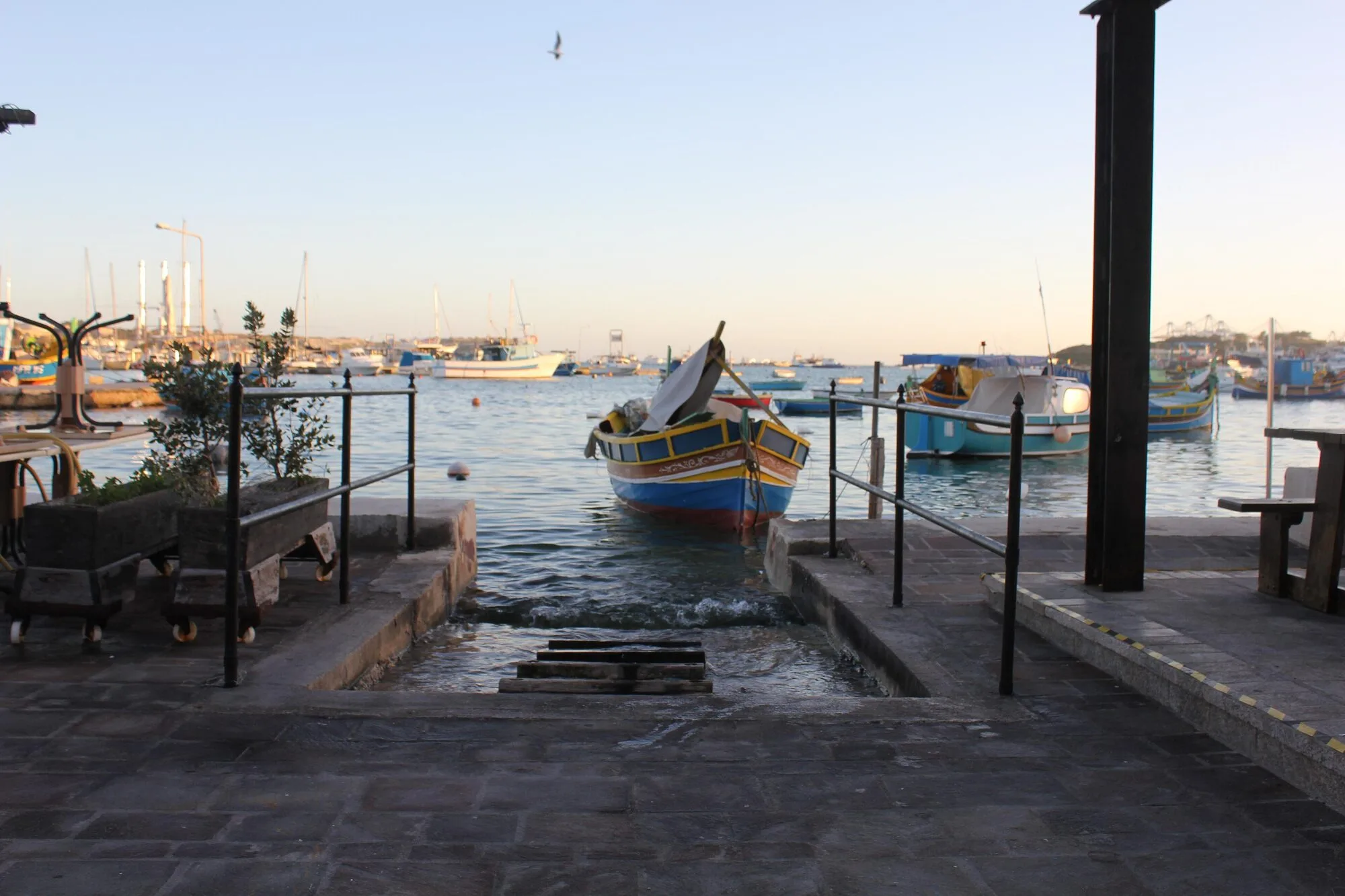
Day three is the south coast, and it is the best day of a short trip. Take bus 74 to Wied iz-Zurrieq for the Blue Grotto, a cluster of sea caves under a 30 metre limestone arch where a small boat runs into the caves for about 10 to 12 EUR for 25 minutes. The light is best before one o’clock and the boats only run when the sea is calm, so go early. Walk up to the temple site of Hagar Qim and Mnajdra, on a combined ticket of about 10 EUR, then finish in Marsaxlokk for the painted luzzu fishing boats and a late seafood lunch. In summer, St Peter’s Pool at the end of the same coast is the swim stop.
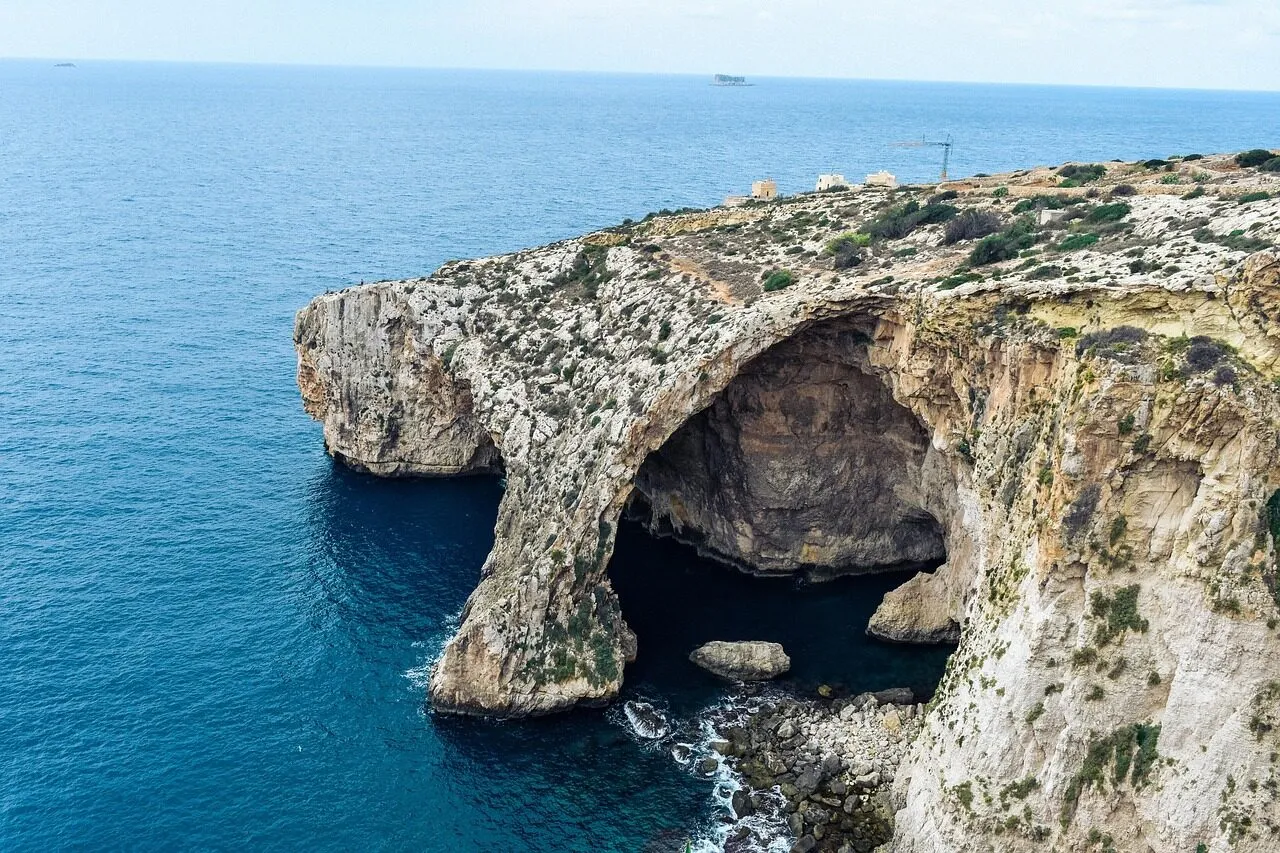
5 days in Malta
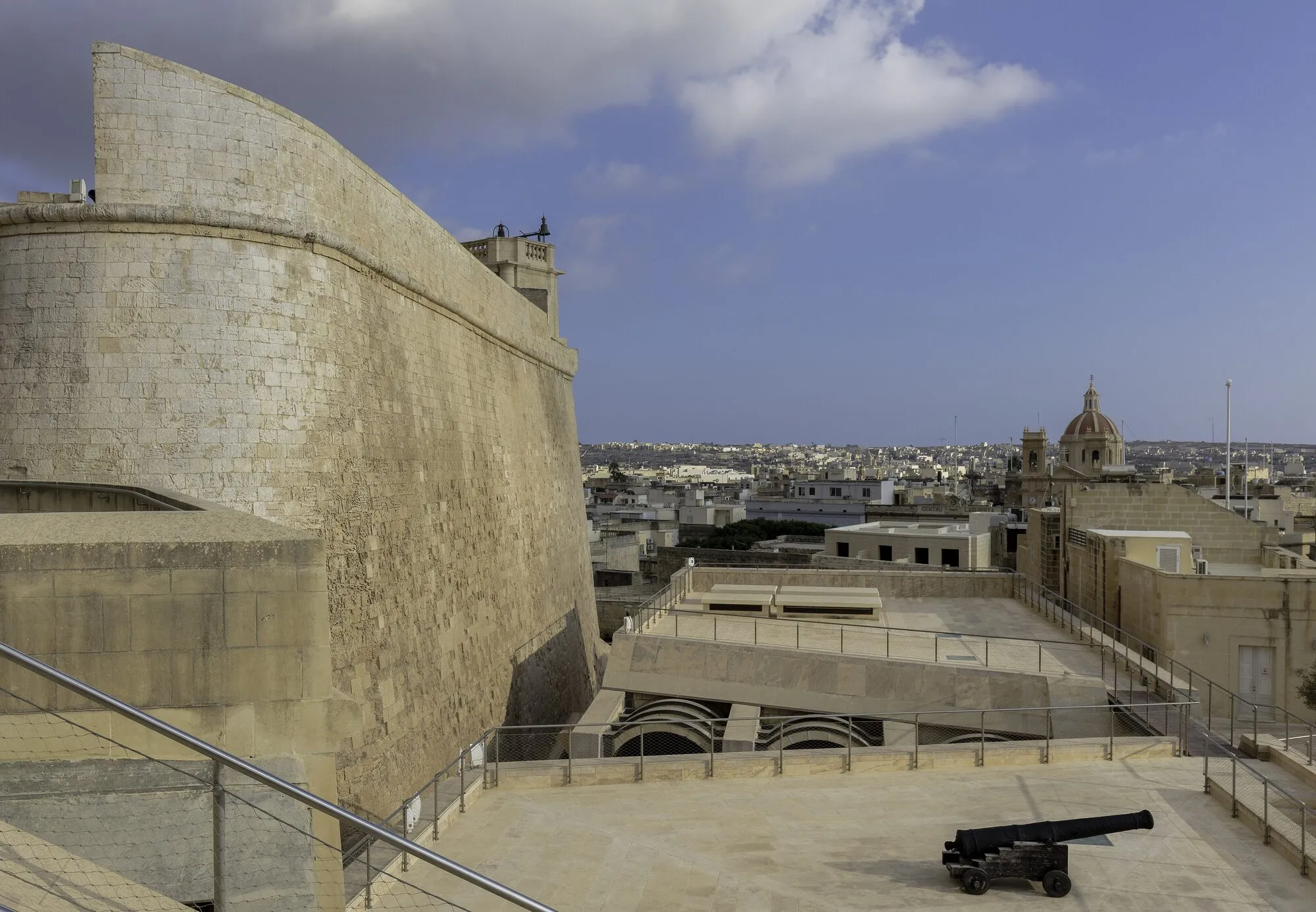
Five days keeps the first three and adds the sea. Day four is Gozo. Take the Gozo Channel ferry from Cirkewwa or the fast catamaran from Valletta, and spend the day in Victoria and the Cittadella, the Ggantija temples, and either Ramla Bay’s red sand or the Dwejra Inland Sea. Without a car the Gozo hop on hop off bus covers the sights in a loop, and with one you see twice as much. Day five is Comino and the Blue Lagoon, an early ferry to swim before the crowds and the boats arrive, or a slower beach day at Golden Bay or Mellieha on the main island if you would rather not cross water twice in two days. The beaches guide has the full list.
If the weather is unreliable, swap day five for the Three Cities across the Grand Harbour from Valletta, Birgu, Senglea and Cospicua, which are reachable by the harbour ferry and are quieter, more residential and cheaper than the capital. The order of the last two days does not matter much; what matters is keeping one of them flexible, because the boat trips to Comino and the Blue Grotto both depend on a calm sea.
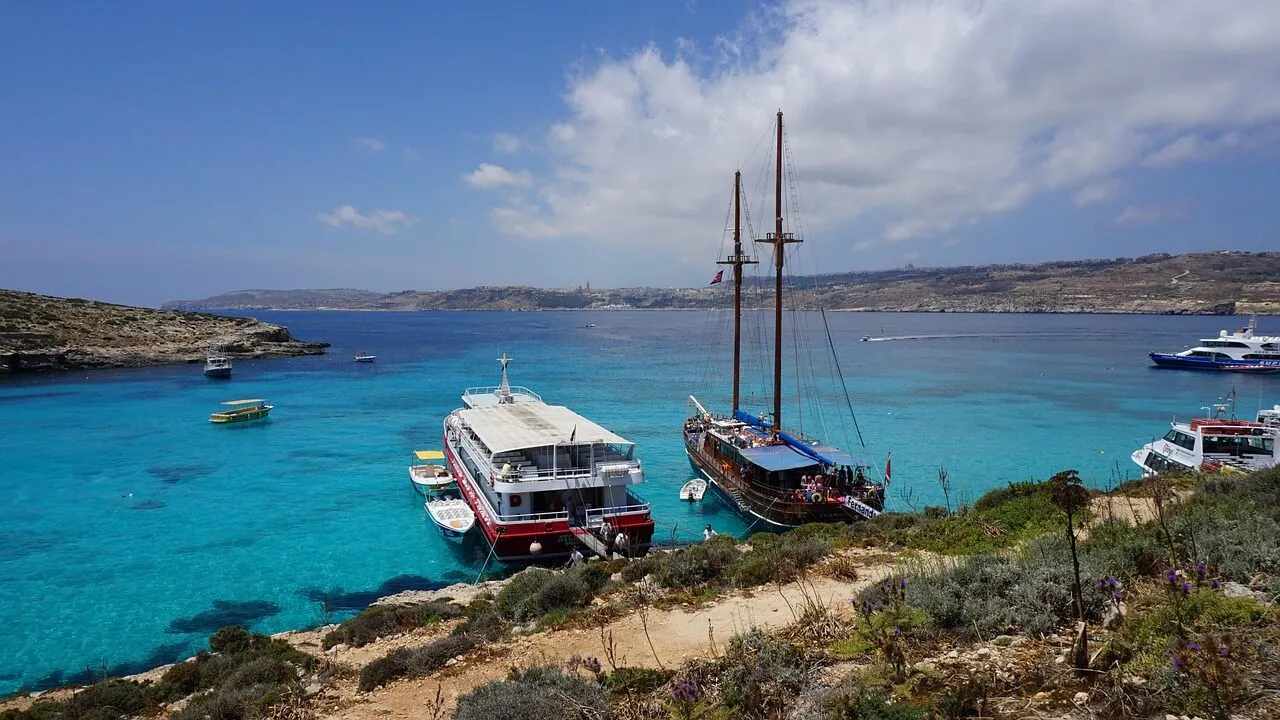
7 days in Malta
Seven days turns the trip from a tour into a stay. Keep the five day spine and spread it over a slower week. Give Valletta a second morning for Fort St Elmo and the museums, give Mdina and Rabat a full day with the Dingli Cliffs and the Buskett woodland, and give the south coast the whole arc from the Blue Grotto to Marsaxlokk to the temples in one unhurried loop.
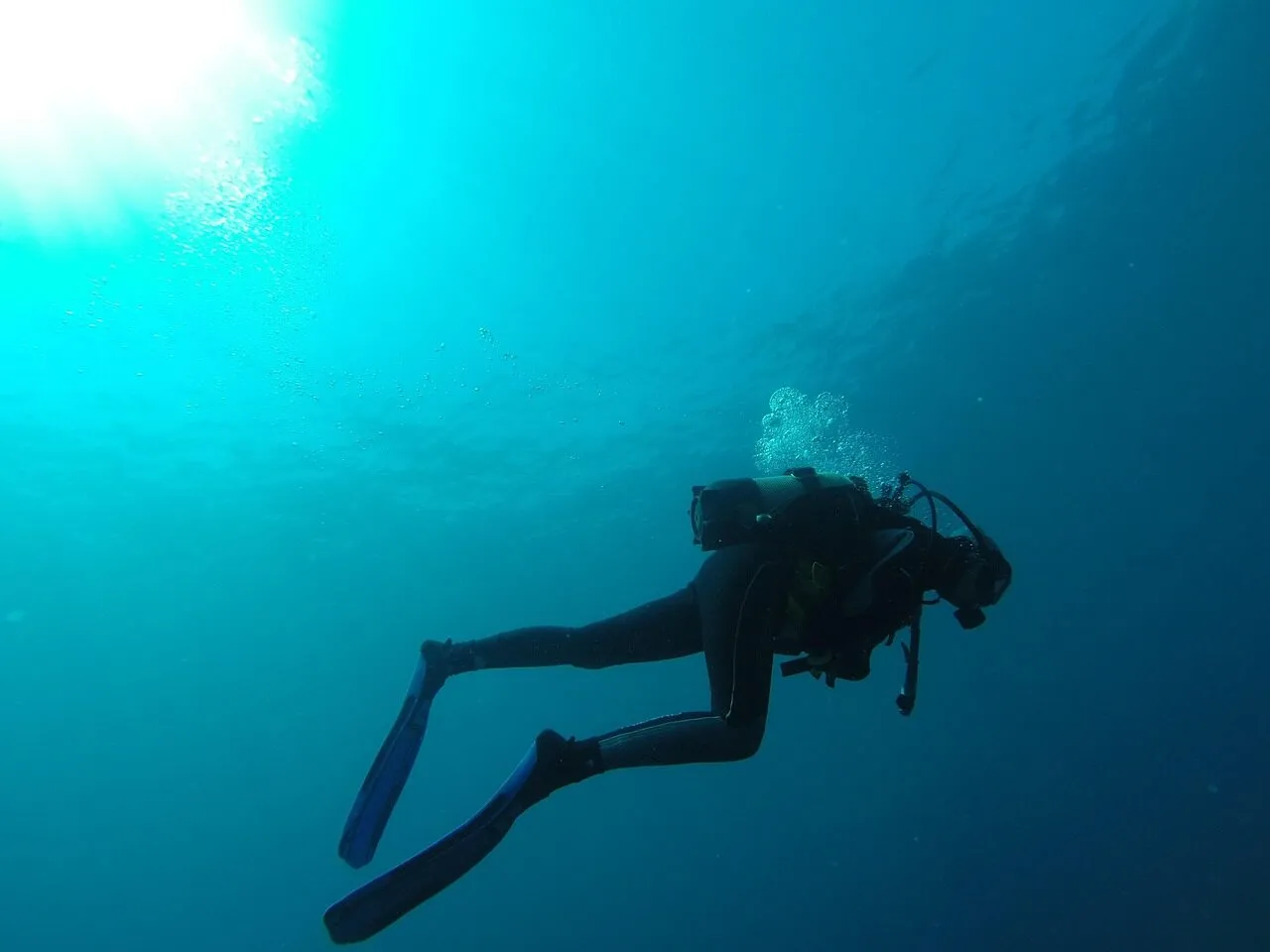
The two extra days are for depth. Spend a night on Gozo, where the pace drops and the evenings are quiet, and use it for the Cittadella at sunset, a swim at Xlendi, and the salt pans near Marsalforn. Add a diving day, because Malta and Gozo are one of the best dive destinations in the Mediterranean, with the Blue Hole at Dwejra, the caves off Comino, and the scuttled wrecks at Cirkewwa and Wied iz-Zurrieq. Or add a full boat day around the harbours or up to the Blue Lagoon with a stop for swimming, which is the most relaxing day you can buy on the islands. A week is also long enough to do the trip car free without feeling limited. If you are staying longer or working remotely, see remote work in Malta.
Where to base yourself
Where you sleep sets the tone, and there are four honest choices. Sliema is the best all rounder: a seafront promenade, the widest spread of mid-range restaurants, and the ferry to Valletta on the doorstep, which turns the capital into a 15 minute hop. St Julian’s, next door around Spinola and Balluta Bay, is the livelier option, with the big resort hotels, the best dining, and Paceville’s nightlife, which is either the point or the thing to sleep away from, depending on the trip. Valletta itself is for the culture first traveller, with boutique townhouse hotels inside the walls and a genuinely local evening once the crowds leave, but no beach and higher prices. Bugibba and St Paul’s Bay in the north are the budget base and the closest to the Comino and Blue Lagoon boats, while the Three Cities are quieter, cheaper and atmospheric across the harbour.
The practical trade is transport. Staying in Sliema or St Julian’s means every bus and ferry runs past you, and neither needs a car for a city focused trip. Staying on Gozo, in a farmhouse or a small hotel, suits a second visit or a split stay, but it adds the crossing to any day you want on the main island. A common and sensible pattern for a week is a few nights in Sliema or St Julian’s and two on Gozo, which gives you both the convenience and the quiet without much wasted travel. For the full comparison of every area, with prices and who each one suits, see the dedicated guide to where to stay in Malta.
When to go
May, June, September and October are the sweet spot, with warm days around 22 to 28 C, a sea that is swimmable from late May, and far thinner crowds than the peak. September and October also keep the sea at its warmest, around 25 to 26 C, after the summer heat has eased.
July and August are the hottest and busiest months, with highs of 31 to 34 C, occasional heatwaves well past that, and the harbours, beaches and the Blue Lagoon at their fullest. They are brilliant for swimming and nightlife and punishing for sightseeing in the middle of the day, so if you come then, keep the outdoor time to the early morning and the evening and retreat indoors at midday. Winter is mild and quiet, around 15 to 17 C, good for culture and cheap rooms, but it is not beach weather, and the occasional Grigal wind off the northeast makes the ferries and boat trips less predictable. If your dates are flexible, the shoulder months give you the same islands with less friction, and the month by month guide has the detail.
What it costs
Malta sits in the middle of the Mediterranean on price: more than the Greek islands, less than the Amalfi Coast or a Santorini summer. Excluding flights, a comfortable day runs about 70 to 90 EUR per person, and a lean sightseeing day can be done for well under half that. The main costs break down like this.
| Accommodation | About 90 to 180 EUR a night for a comfortable mid-range double in Sliema or St Julian’s in shoulder season, 120 to 250 EUR for a boutique room inside Valletta, and from about 90 EUR for a Gozo farmhouse. A double splits the cost. |
|---|---|
| Transport | Buses 2 to 2.50 EUR a journey, the 7 day Explore card 25 EUR. The Sliema to Valletta ferry 3 EUR single, the Gozo Channel ferry 4.65 EUR foot return, the Gozo Highspeed catamaran 7.50 EUR one way. |
| Food | A pastizz for under 1 EUR, a casual lunch for 8 to 15 EUR, and a proper dinner for 25 to 40 EUR a head. The food is one of the reasons to come, so budget for it. |
| Sights and boats | St John’s 15 EUR, Fort St Elmo 10 EUR, the Hagar Qim and Mnajdra temples about 10 EUR combined, the Blue Grotto boat 10 to 12 EUR, Comino and Blue Lagoon boat trips from about 30 EUR. |
These are planning estimates built from the operator and transport fares cited in this guide, not an official index. The two levers that move the total most are the season, since July and August push room rates up sharply, and the base, because staying outside Valletta and Sliema buys you the same island for less.
Practical information
| Getting around | Buses reach everywhere from Valletta and the resort towns, at 2 to 2.50 EUR a journey with two hours of transfers. The Sliema and Three Cities harbour ferries beat the buses across the water. Gozo is the Cirkewwa ferry or the fast catamaran from Valletta; Comino is a short ferry from Cirkewwa or from Gozo. A car is only worth it for the south coast in a day or for Gozo. |
|---|---|
| When to go | May, June, September and October are best. July and August are hot, crowded and expensive; the shoulder months give warm water and calmer streets. Winter is mild and quiet but not for swimming. |
| Money | Euro. Cards are accepted almost everywhere, but carry cash for the Blue Grotto boat kiosk, small shops and the bus. Tipping about ten percent is normal in restaurants. |
| Language and driving | Maltese and English are both official, so English speakers have no trouble. Driving is on the left, which catches out visitors used to driving on the right. |
| Health and safety | Malta is safe for normal travel. The limestone and harbour rocks are slippery, shade is scarce on the forts and at the Blue Lagoon, and the summer sun is strong, so use high protection and drink water. Boat trips depend on a calm sea, so keep one day flexible. |
Disclosure. This blog post contains affiliate links. If you book through them, Mediterranean Vibes may earn a small commission at no extra cost to you; it is how the site stays up.