Comino is the smallest and least built up of the three Maltese islands, a flat, car free slab of limestone in the channel between Malta and Gozo, with a chapel, a few former hotel buildings and a coastline of caves. Almost everyone who crosses to it is going to one place: the Blue Lagoon, a shallow bay of absurdly clear turquoise water on the west side, and the single most photographed swimming spot in the country, and one of the best on the beaches of Malta and Gozo.
That fame is also the problem. In summer the Blue Lagoon is one of the busiest swimming zones in the Mediterranean, with rows of moored boats and thousands of day trippers arriving by midday. Malta has since moved to control the numbers, with a daily cap and checks at the landing, which changes how you plan a visit. This guide covers the ferries and prices, the new entry rules, the quieter side of the island, and the timing that makes the difference between the postcard and the crush. It fits into any Malta trip; the Malta itinerary shows where, and the Gozo guide covers the crossing from the other side.
Plan and book
3 partners- Flights
Fly into Malta International (MLA) and travel up to Cirkewwa for the Comino ferry. Compare routes.
Search flights - Boat trips
Comino and Blue Lagoon cruises, many stopping at the Crystal Lagoon and the sea caves.
Browse boat trips - Where to sleep
Base in the north at Bugibba or Mellieha, closest to the Comino boats, or on Gozo across the water.
Find a room
How to get there
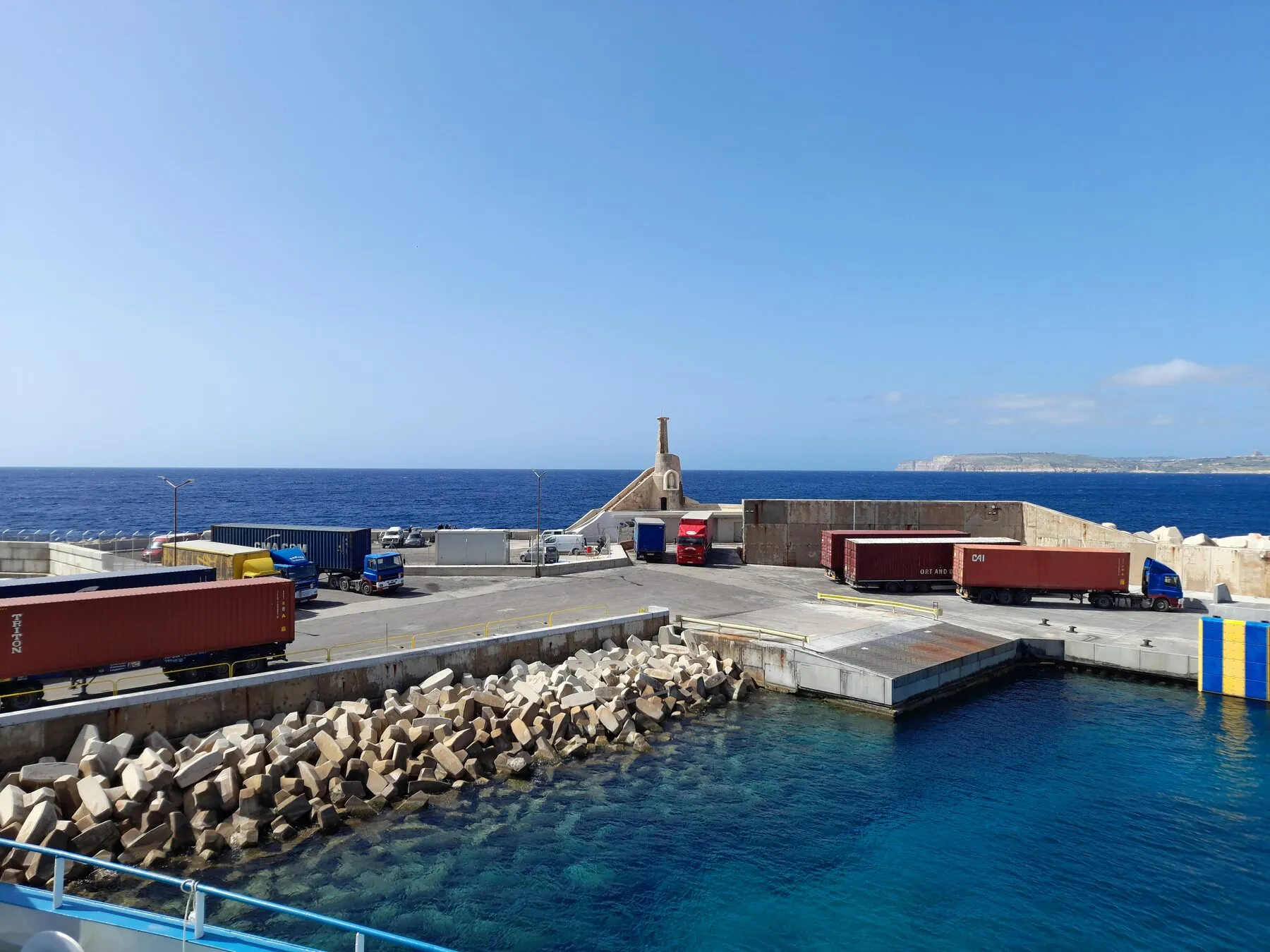
There are two ways to reach Comino, and they suit different trips. The do it yourself route is the ferry from Cirkewwa, the rocky northern tip of Malta, or from nearby Marfa, run by two operators, Comino Co-Op Ferries and Ebsons. The crossing takes 25 to 35 minutes and runs roughly every 30 minutes from about 08:30 to 17:00, with more boats in summer. An adult return is about 13 to 15 EUR and a child about 5 to 7 EUR. From Gozo the hop is much shorter, about 15 minutes from Mgarr, from about 10 EUR, which is why a night on Gozo is a smart way to beat the crowds to Comino.
The other way is a guided boat trip from one of the resort towns, Sliema, Bugibba or St Paul’s Bay, usually starting around 30 EUR. These take longer to reach the island but often include a stop at the Crystal Lagoon and a pass by the sea caves, so they add the quieter side of Comino without any extra planning. If you are staying in the north, the ferry is cheaper and more flexible; if you are in Sliema or St Julian’s and do not want to spend two hours on buses to Cirkewwa, the boat trip is the better use of the day.
The Blue Lagoon
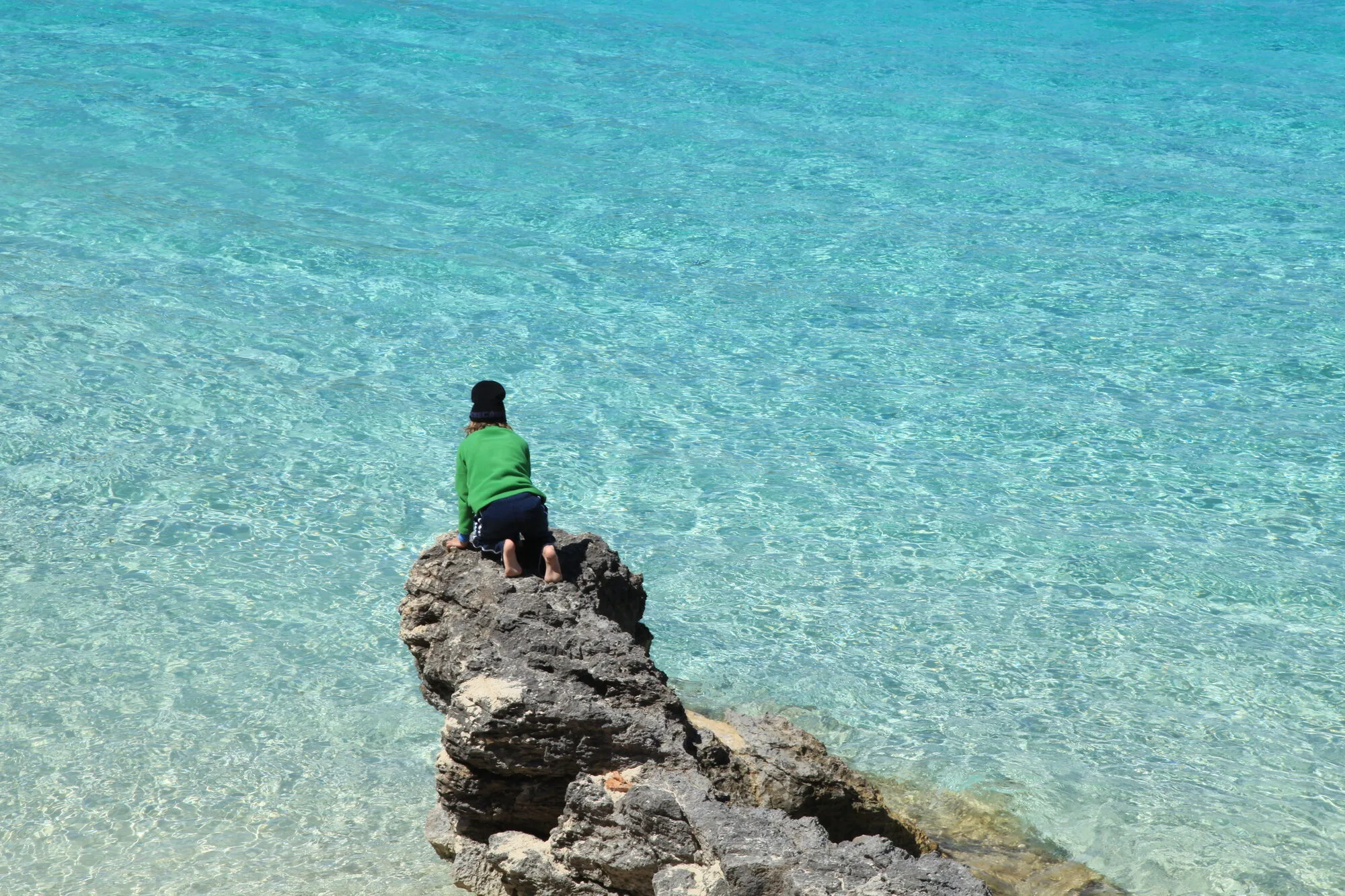
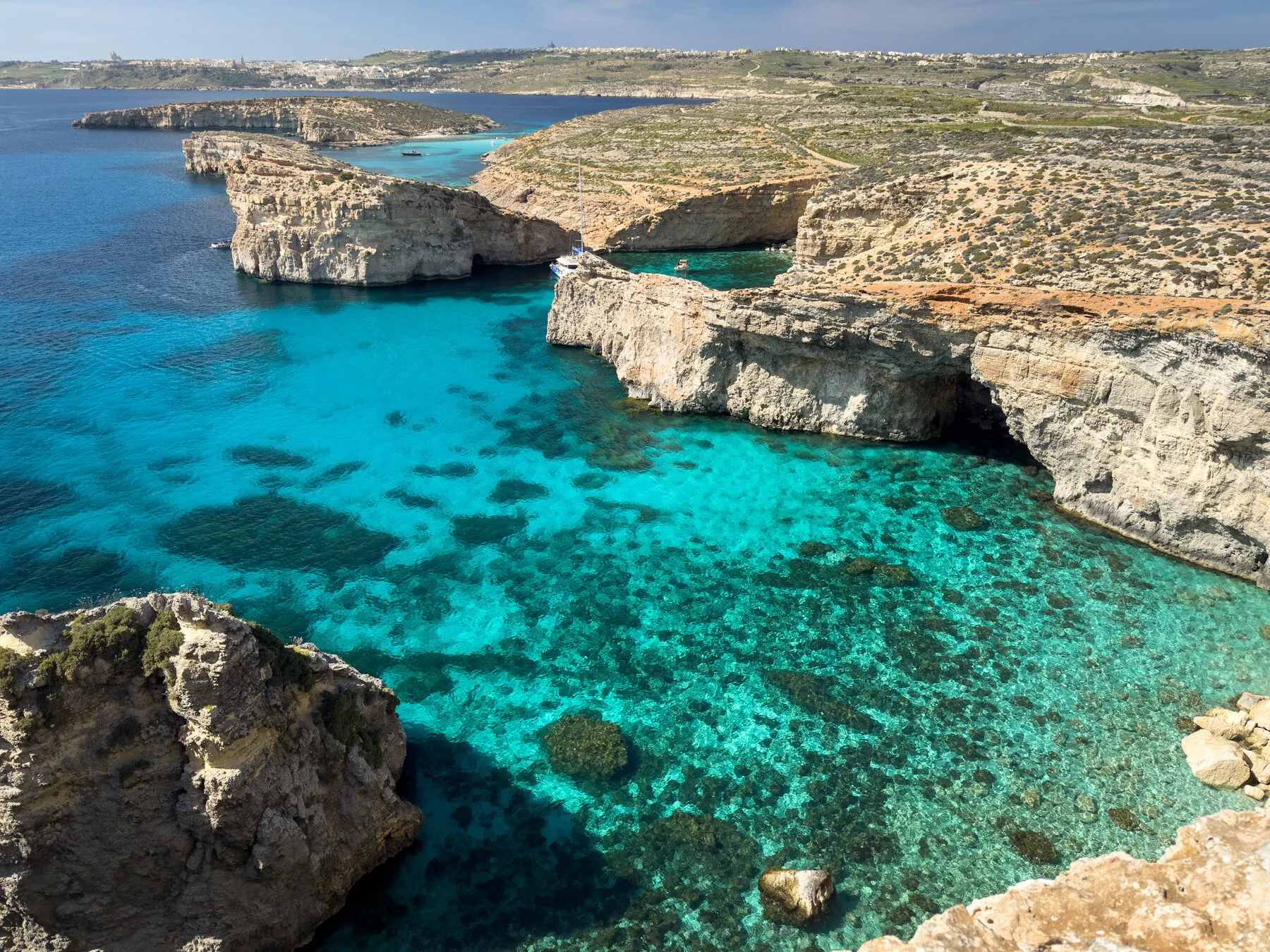
The Blue Lagoon is exactly what the photos promise: shallow, glass clear water over pale sand, framed by low honey coloured rock, with the water shading from white to turquoise to deep blue as it deepens. It is the best swimming on the islands, and on a calm sunny morning, before the boats arrive, it is genuinely special. Snorkelling is easy in the shallow water, and the rocks around the edge give a little shade and something to sit on.
The honest caveat is the crowd. By late morning in summer the bay fills with moored boats, day trippers and kiosks, and the postcard becomes a busy outdoor pool. Malta has responded by capping the island at 12,000 visitors a day, with a maximum of 4,000 on the beach and in the lagoon at once, and wristband checks at the landing. The cap helps at the edges of the day but not at the peak hour, so treat the Blue Lagoon as a morning place. Arrive on an early ferry, swim, and move on before the crush.
Crystal Lagoon and the bays
Comino has more than one bay, and the others are the answer to the crowds. The Crystal Lagoon, on the sheltered eastern side of the island, is the pick for anyone who wants calm water and elbow room. It is protected by high cliffs, shallower and quieter than the Blue Lagoon, with good snorkelling and none of the boat traffic, and most guided boat trips stop there. If you take the ferry rather than a tour, it is a short walk across the island from the Blue Lagoon. The same clear water is the best in the archipelago for diving, and the Malta and Gozo diving guide covers the caves, the P31 wreck and the boat trips.
The two other beaches are Santa Marija Bay, sandy and shallow and used mainly by boaters, and St Niklaw Bay nearby. Both are quieter than the Blue Lagoon and easy to reach on foot from the landing. The chapel of Our Lady of the Return, and the flat paths between the bays, are the rest of what Comino offers; there is little else on the island, which is the point. Bring everything you need, because there is almost nothing to buy beyond a few kiosks in season.
The entry pass
Access to Comino changed in 2026. The island now runs a daily visitor cap of 12,000 people, with a cap of 4,000 on the beach and in the lagoon at the same time, and arrivals are checked by wristband at the Blue Lagoon landing rather than left to the boats. Alongside the cap, a government entry pass with a QR code has been introduced for the island, and it is not something the boat operators sell, so it is separate from your ferry ticket.
The practical advice is to check the official rules before you travel, because the system is new and has been adjusted from season to season, and to book or register early in the peak months. The cap is designed to protect a Natura 2000 site that was being overwhelmed, and while it adds a step to planning, it also means the island is a little less chaotic than it was. Build the pass into the plan before you book the ferry, not on the morning of the trip.
When to go
The best time to see the Blue Lagoon is the early morning, ideally on the first ferries from around 08:30, when the water is still glassy and the bays are close to empty. By late morning the island fills, and midday in July and August is the peak of the peak. Outside the summer, May, June, September and October give warm water and far thinner crowds; the sea is at its warmest in September, around 25 to 26 C, when the summer rush has eased.
July and August are the busiest and hottest months, and the ones to avoid if you have any flexibility, both for the crowds and for the midday heat on an island with almost no shade. The other variable is the wind. Comino is exposed, and a strong northerly wind makes the crossing rough and the water cloudy, so check the forecast and, on any Malta trip, keep a flexible day so you can move the Comino trip to the calmest one. For the wider picture of the seasons, see the best time to visit Malta guide and the Malta itinerary.
What to bring
Comino is bare, so pack as if for a remote beach. There is almost no shade, and the limestone reflects the sun, so take high factor sun protection, a hat and plenty of water. Water shoes help on the rock, a snorkel makes the shallow water worth it, and cash still matters for the small kiosks, the deckchairs and the occasional boat. There are basic toilets and a few food stalls in season, but no proper village and no shops worth relying on, so bring what you will want to eat and drink, or plan to eat back on Malta or Gozo.
The one thing not to bring is a tight schedule. The whole pleasure of Comino is the water and the light, and the worst version of the day is arriving at noon, hunting for a patch of rock, and leaving an hour later. Go early, swim two bays, and be on a boat back before the afternoon crowds, and you get the island at its best.
Practical information
| Getting there | Ferry from Cirkewwa or Marfa, 25 to 35 minutes, every 30 minutes from about 08:30 to 17:00, 13 to 15 EUR adult return. From Gozo’s Mgarr, about 15 minutes from about 10 EUR. Guided boat trips from Sliema and Bugibba from about 30 EUR. |
|---|---|
| Entry rules | Since 2026, a daily cap of 12,000 visitors with 4,000 on the beach and lagoon at once, checked by wristband, plus a government entry pass with a QR code not sold by the boat operators. Check the official system before you travel. |
| Best time | First ferries in the morning, and May, June, September or October rather than peak July and August. The sea is warmest in September. Keep a flexible day for the calmest weather. |
| Facilities | Almost none. A few seasonal kiosks and basic toilets; no village and no shops. Bring water, food, sun protection and cash. |
| Health and safety | No shade on an exposed island, strong summer sun, and rocky, sometimes slippery limestone. Swim in the sheltered bays, watch the boat lanes, and carry water. The crossing is rough in a strong wind. |
Disclosure. This blog post contains affiliate links. If you book through them, Mediterranean Vibes may earn a small commission at no extra cost to you; it is how the site stays up.