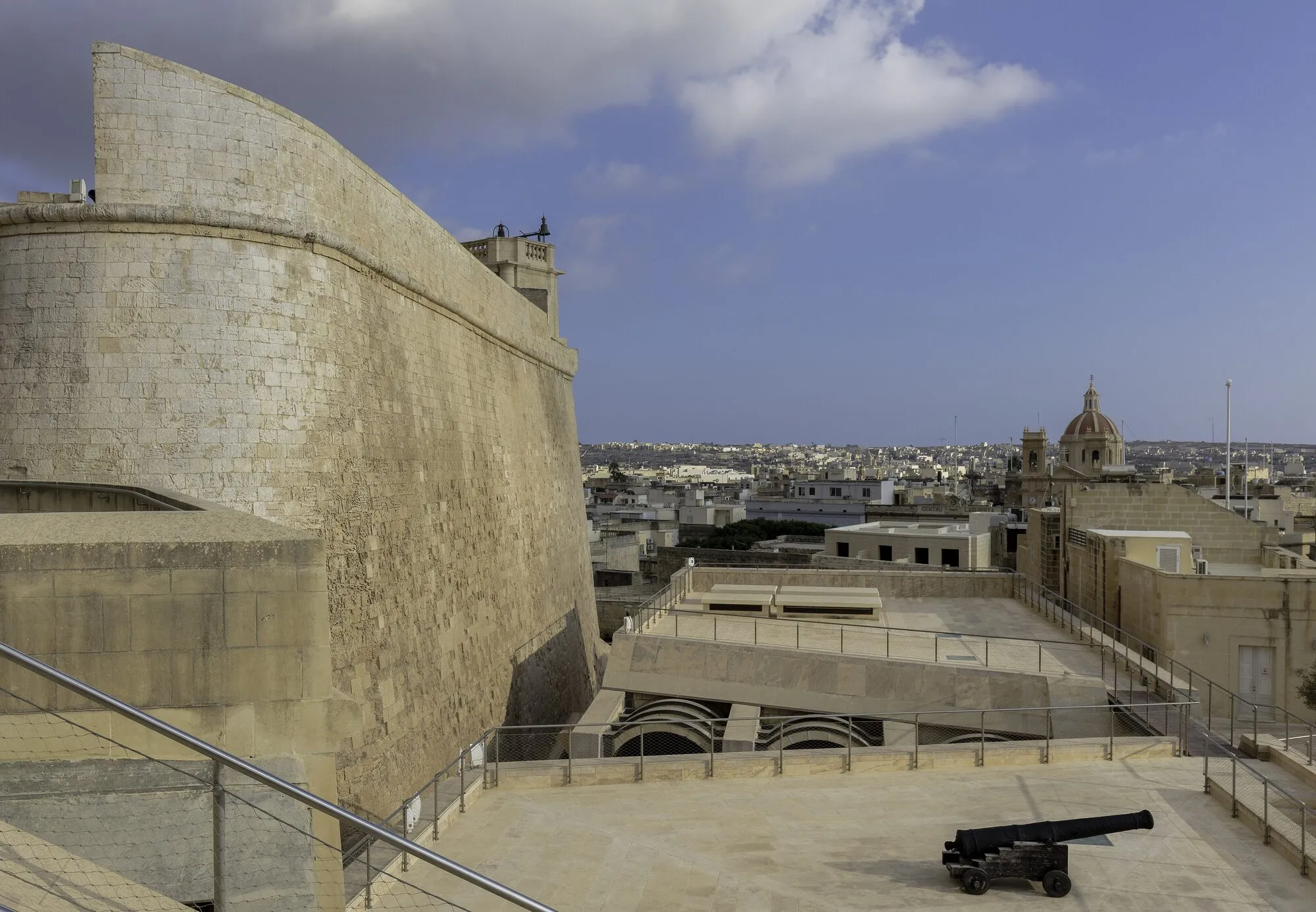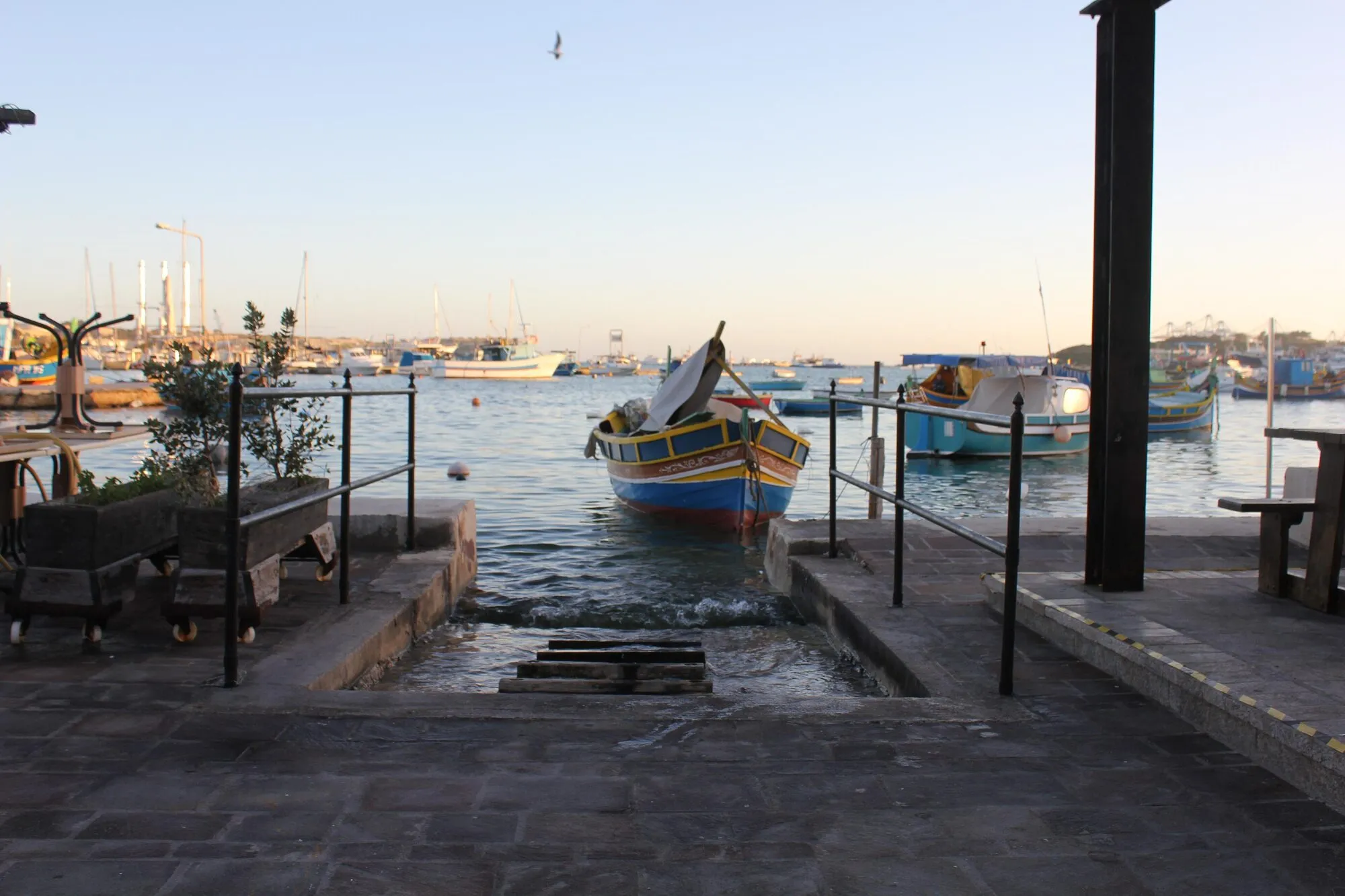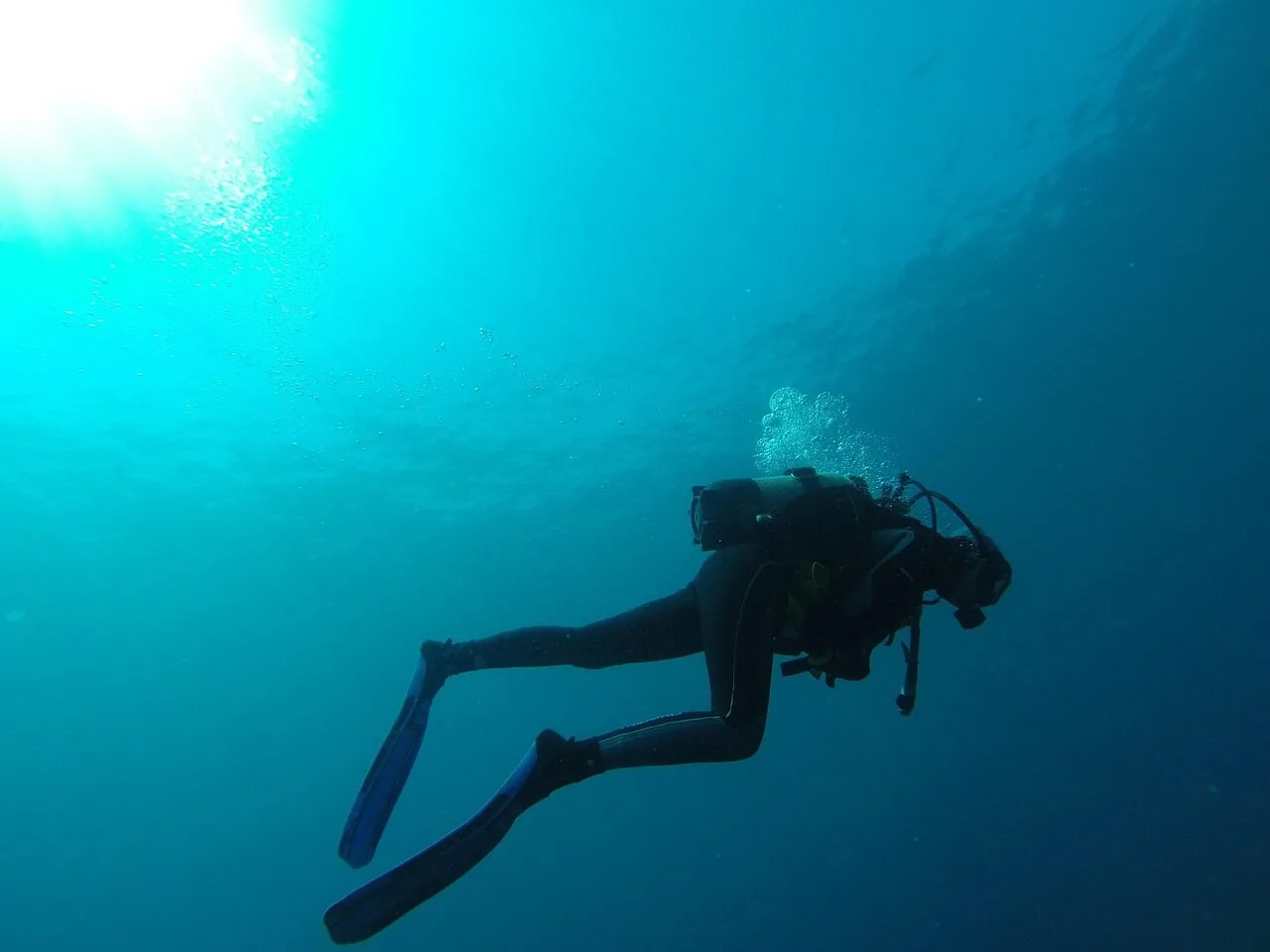
Malta and Gozo are one of the most accessible dive destinations in the Mediterranean. The islands are small, the sites are close together, and the water is clear and generally calm, with more than 100 dive sites between the three islands. There are natural caves and caverns carved into the limestone, a famous sinkhole at Dwejra, and a collection of deliberately scuttled shipwrecks that make the archipelago a wreck diving destination as much as a reef one.
The two main islands do different jobs. Gozo is the shore-diving base, with the Blue Hole, the Inland Sea and four wrecks in one cluster at Xatt l-Ahmar. Malta has the Um El Faroud, the Cirkewwa wrecks and the deeper technical sites, and it is the easier base if you have a short trip or a non-diving companion. Comino adds the caves and the clearest water in the group.
This guide covers the sites that matter, the depths and certification each one needs, the difference between the shore and boat dives, the conditions and the seasons, and how to plan a dive day without disturbing the rest of the trip. The site counts and conditions are checked against VisitMalta’s diving pages and the licensed schools represented by the Professional Diving Schools Association, and the dive sites tie in with the Gozo guide and the Comino guide.
Plan and book
3 partners- Flights
Fly into Malta International (MLA), with dive centres on both Malta and Gozo. Compare routes.
Search flights - Diving and courses
Try dives, PADI courses, guided shore dives and boat trips to the wrecks and the Blue Hole.
Browse dive trips - Where to sleep
Base in Sliema or St Julian’s on Malta, or on Gozo close to Dwejra and the southern wrecks.
Find a room
Why dive Malta and Gozo
The case for the Maltese Islands is variety within a short boat ride or shore walk. Few places in the Mediterranean pack this many dive sites into such a small area, from shallow, sunlit caverns that suit a first dive to deep wrecks that draw technical divers. The water is clear, the limestone gives the sites their shape, and the visibility is often excellent, especially outside the windier months.
Just as importantly, the diving is easy to reach. Many of the best sites are shore dives, so you can kit up and walk in, and the dive centres on both Malta and Gozo run daily trips for every level. That makes the islands unusually good for a mixed group, where one person is learning and another is chasing wrecks, and it means you can dive in the morning and still be back for an afternoon on the coast. English is an official language, the dive schools are regulated, and the ferry between the islands takes about 20 to 25 minutes.
The other advantage is the base. Malta airport is close to the north coast, and Cirkewwa, the ferry terminal for Gozo, is about 35 to 45 minutes by road. You can land in the morning, cross to Gozo after lunch and be on a shore dive the next day. That short transfer is why the islands work for a long weekend as well as a week.
Diving in Gozo
Gozo is the quieter island and the better base for shore diving. The famous sites sit on the west and north coasts, within a short drive of each other, and the island has a calmer, more spread-out feel than Malta. If your trip is about the Blue Hole, the Inland Sea and the wreck cluster, stay on Gozo rather than crossing over each day.
The west coast is built around Dwejra. The Blue Hole is the headline, a circular sinkhole with a sheltered entry and an arch into open water. A few minutes away, the Inland Sea is a lagoon connected to the sea by a natural tunnel, which makes a second classic shore dive. The Coral Garden and the cliffs around Dwejra add shallower reef dives, and the whole bay works for snorkellers and freedivers as well as divers. The Azure Window, the arch that once stood over the bay, collapsed in 2017, and the site is now dived for the reef and the debris field that formed around it.
The wreck cluster at Xatt l-Ahmar, near Ghajnsielem on the south-east coast, is the other reason to base on Gozo. Four vessels lie within a few hundred metres of each other: the Karwela, the Cominoland, the Xlendi and the newer Hephaestus, which was scuttled in 2022. They sit between 20 and 42 metres, so most of the diving is for Advanced or Deep certified divers, but the site is also used for training and for a first wreck experience with an instructor. The cluster is one of the most concentrated wreck sites in the Mediterranean, and a single base covers several days of diving.
The north coast adds the sheltered bays and the walls. Xlendi, Xwejni and Mgarr ix-Xini are the calm, shallow sites for courses and refreshers, while Reqqa Point and Ras il-Hobz have the drop-offs and the bigger fish. Cathedral Cave, Double Arch and Billinghurst Cave are the cavern dives, and Marsalforn is the practical base for the north coast, with dive centres, tanks and boats. The Gozo guide covers the island above the waterline, and PADI’s Gozo site list is a useful cross-check on depths and access.
The Blue Hole and Dwejra
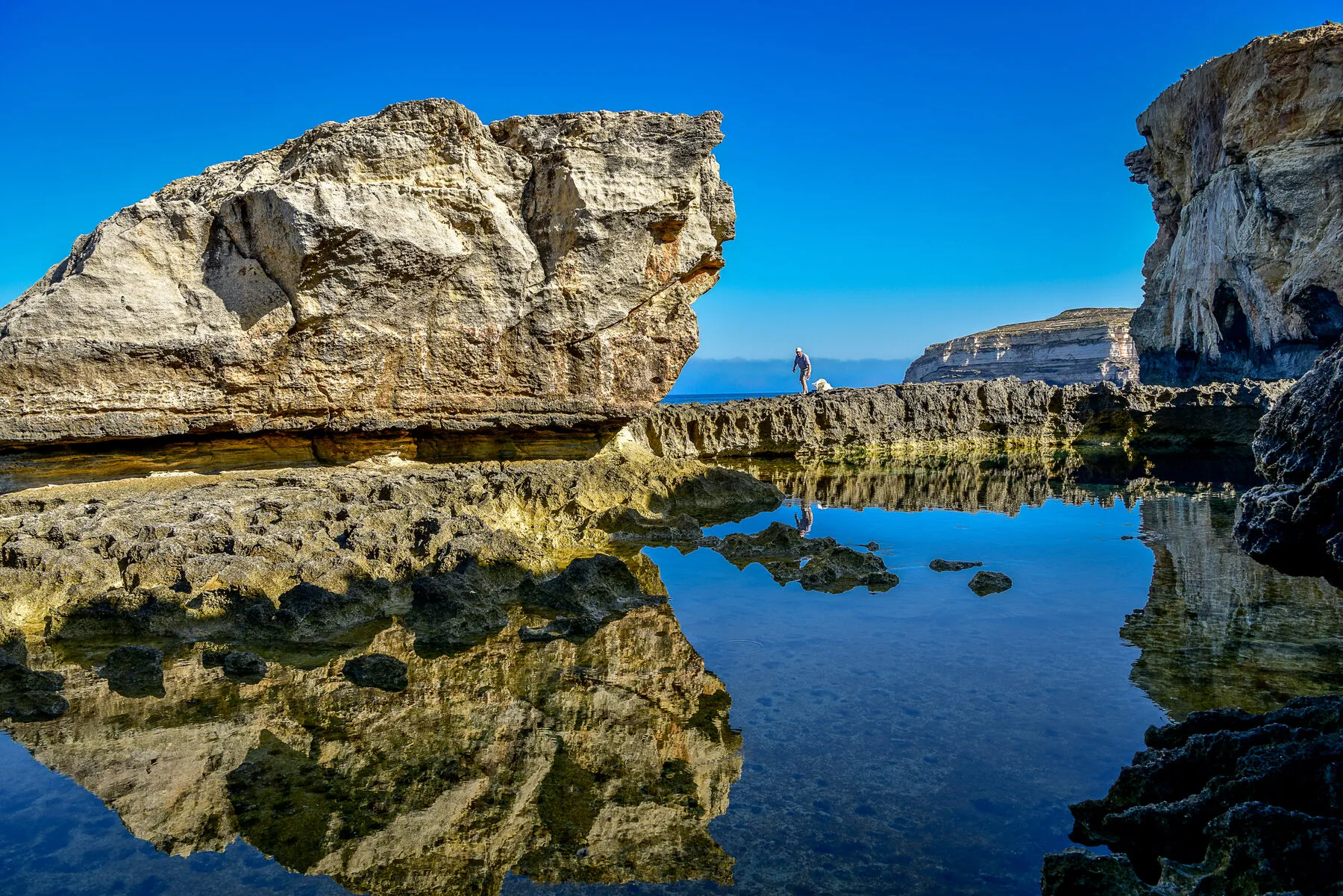
The Blue Hole at Dwejra, on Gozo’s west coast, is the most famous dive site in the islands and often voted one of the best in the Mediterranean. It is a circular sinkhole in the limestone, with a sheltered entry pool that makes it easy to get in and out, and an underwater arch that leads from the hole out into the open sea. The dive drops through the arch, past walls covered in coral and sponge, to depths of about 15 to 25 metres, and the light in the hole itself is spectacular on a sunny morning.
The same bay holds the Inland Sea, a lagoon connected to the open sea by a natural tunnel, which makes another classic shore dive, and the surrounding cliffs and caverns of the Dwejra area. The Blue Hole is good for snorkellers and freedivers too, which is why it is also one of the island’s best non diving swims. Go early, because the site is popular with guided groups and the light is best before the middle of the day.
| Entry | Shore dive from the sheltered pool at Dwejra, with a short surface swim to the hole. |
|---|---|
| Depth | About 15 to 25 metres for the main dive, with deeper water outside the arch for advanced divers. |
| Level | Open Water with a guide is enough for the hole and the arch; the wall and the deeper route suit Advanced divers. |
| Also good for | Snorkelling and freediving, with calm water inside the pool and the arch visible from the surface. |
| Best time | Morning, when the light is best and the guided groups have not arrived. Avoid a strong onshore wind. |
Diving in Malta
Malta is the bigger island and the better base for a short trip, a technical course or a mixed holiday where not everyone dives. The airport is close to the north coast, the dive centres are concentrated around Sliema, St Julian’s, Bugibba and Cirkewwa, and the main sites are within a 20 to 40 minute drive or boat ride.
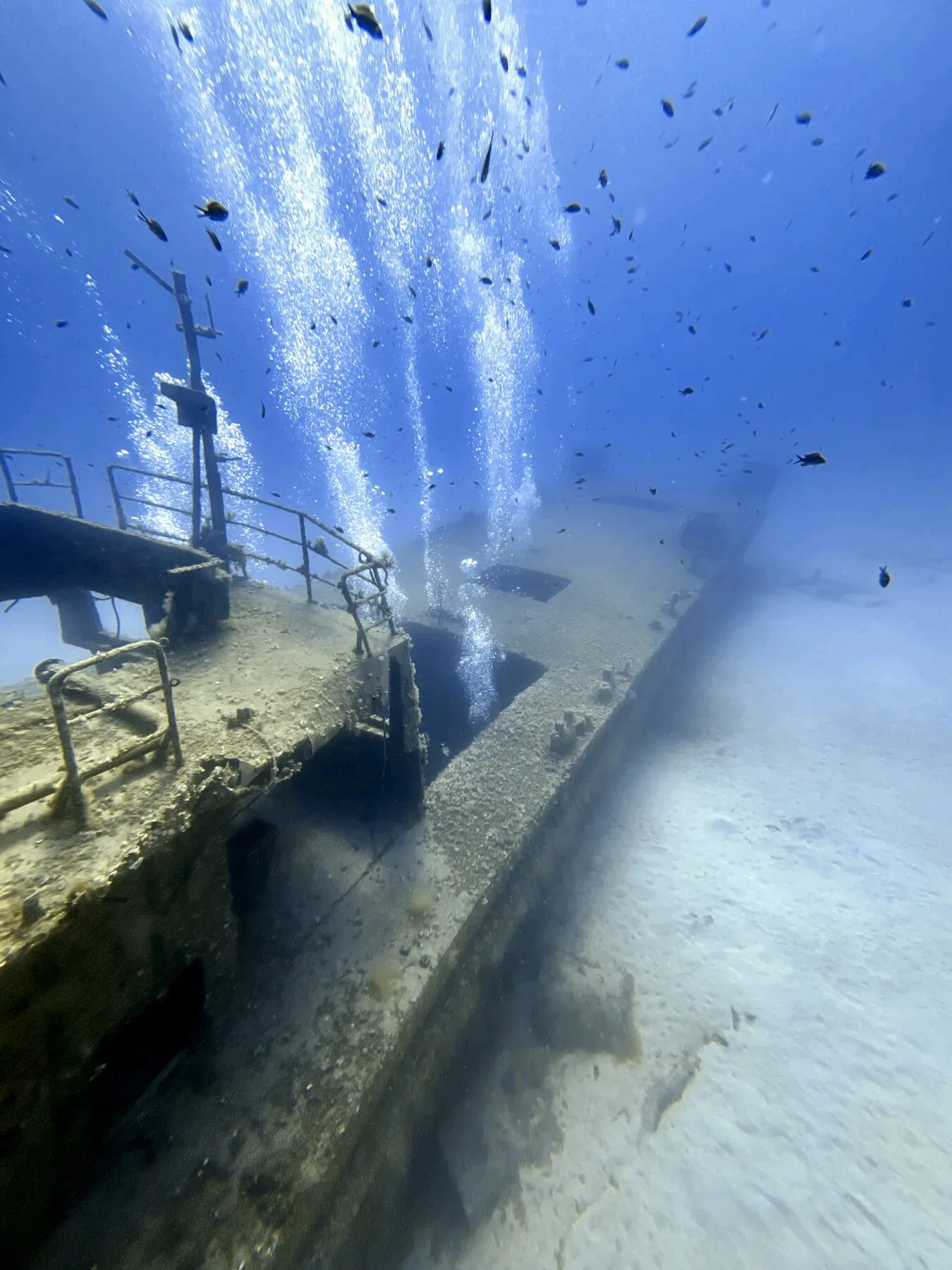
The Um El Faroud at Wied iz-Zurrieq is the signature wreck, a 110 metre Libyan tanker scuttled in 1998. The deck sits around 25 metres and the seabed at about 36 metres, so it is an Advanced or Deep dive, and the size of the ship means one dive only covers a part of it. It is also a shore dive with a swim out to the wreck, which makes it unusually accessible for a wreck of this scale.
Cirkewwa, at the northern tip and next to the Gozo ferry, is the other cluster. The Rozi tug lies between about 18 and 36 metres, the P29 patrol boat sits around 33 metres, and the site also has arches, swim-throughs and a shallow reef that works for Open Water divers. Ghar Lapsi, on the south-west coast, is a shore dive with a cave and a wall, and the HMS Maori in Marsamxett Harbour is a shallow 14 to 16 metre wreck that suits newly certified divers. Anchor Bay and Mellieha add more shore options on the north coast.
The practical difference is the surface interval. On Malta you can dive Cirkewwa in the morning, drive to Wied iz-Zurrieq after lunch and still be back in Sliema for dinner. On Gozo the sites are closer together but the island is quieter, so the trade is between convenience and atmosphere rather than between good and bad diving. The where to stay guide covers the bases on both islands.
Wreck diving
The wrecks are the reason many divers choose Malta over the Greek islands. Most are deliberately scuttled, cleaned and surveyed, which makes them safer and more interesting than a random sinking, and several are reachable from shore. The table below gives the working depths and the certification each one needs. Treat the numbers as a planning guide and confirm the day’s profile with your dive centre.
| Um El Faroud | Wied iz-Zurrieq, Malta. Deck about 25 m, seabed about 36 m. Advanced or Deep. Shore or boat. |
|---|---|
| P31 | Off Comino. About 12 to 20 m. Open Water. Boat. |
| Rozi | Cirkewwa, Malta. About 18 to 36 m. Open Water to Advanced. Shore. |
| P29 | Cirkewwa, Malta. About 33 m. Advanced. Shore. |
| Karwela | Xatt l-Ahmar, Gozo. About 40 m. Deep or Advanced. Shore. |
| Cominoland | Xatt l-Ahmar, Gozo. About 40 m. Deep or Advanced. Shore. |
| Xlendi | Xatt l-Ahmar, Gozo. About 20 to 35 m. Advanced. Shore. |
| Hephaestus | Xatt l-Ahmar, Gozo. About 32 to 42 m. Deep. Shore or boat. |
The Xatt l-Ahmar cluster is the best single wreck base in the islands. Four vessels within a few hundred metres means you can dive a different wreck each day without moving the kit, and the site is sheltered enough to work in most weather. The Karwela is the photogenic one, with its staircase and open decks, the Cominoland is the smaller and more broken of the group, and the Hephaestus is the newest and deepest. Penetration is possible on several of them, but only with the right training, a torch, a line and a buddy who has done it before.
Wreck diving has its own etiquette. Do not enter a confined space without wreck or cavern training, stay out of the silt, keep a line or a clear exit in sight, and surface with gas in reserve for the swim back. The Um El Faroud and the deeper Gozo wrecks are not the place to test a new skill, and a dive computer and insurance are not optional on a trip built around them.
Comino and the caves
Comino and the channels between the islands hold the third kind of diving, the caverns. The Santa Marija Caves and Lantern Point off Comino are the best known, most of them reached by boat, with light filtering into limestone chambers and the occasional tunnel to swim through. The water around Comino is the clearest in the archipelago, which is why the same island that draws swimmers to the Blue Lagoon also draws divers to its quieter underwater side.
The P31 wreck sits off Comino as well, and the combination of a shallow wreck and a cave makes a good two-tank day for a mixed group. Gozo’s north and west coasts add more, from the Cathedral Cave at Ghasri to the Double Arch and the walls at Reqqa Point and Ras il-Hobz. Between the caves, the reefs and the wrecks, the islands cover every level, and the dive centres can match a site to both your certification and the day’s weather.
If you are visiting Comino for the Blue Lagoon rather than the diving, the Comino guide covers the ferry, the entry pass and the swimming, and the Malta beaches guide covers the surface-side alternatives on the main island.
Gozo or Malta for diving
The honest answer is that it depends on the trip you are taking. Gozo is the better choice if you want shore diving, the Blue Hole, the Inland Sea and the Xatt l-Ahmar wrecks, and if you prefer a quieter base with fewer cars and a slower evening. The sites are close together, the ferry is short, and a week on Gozo can be built entirely around diving without repeating a site.
Malta is the better choice if you have two or three days, if you want the Um El Faroud and Cirkewwa, or if you are taking a technical course and need the deeper sites and the bigger dive infrastructure. It also works better for a mixed group, because the non-divers have Valletta, Mdina and the beaches within easy reach. The airport transfer is shorter, and you do not depend on the ferry.
With five days or more, split the stay. Base on Malta for the first two nights to dive the Um El Faroud and Cirkewwa, then cross to Gozo for three nights to dive Dwejra and Xatt l-Ahmar. The ferry runs frequently, the crossing is short, and the two halves of the trip feel different enough to justify the move.
Courses and conditions
Learning to dive here is straightforward. The sheltered bays, Xlendi, Xwejni and Mgarr ix-Xini on Gozo especially, are calm and shallow, and the dive centres run try dives, PADI and SSI Open Water courses and refreshers, with courses open from age 10. Many sites suit newly qualified divers down to 18 metres, so a course and a first few dives can happen in the same holiday, and there is enough variety that an experienced diver will not run out of sites. The PDSA represents the licensed schools, which is a useful check when you are choosing a centre.
The certification ladder matters for the wrecks. Open Water covers the shallow sites, the P31 and the top of the Rozi. Advanced Open Water opens the 30 metre range, and Deep or a wreck specialty is needed for the Um El Faroud, the Karwela, the Cominoland and the Hephaestus. If your trip is built around the deep wrecks, do the specialty before you arrive or budget a day of the holiday for it.
The conditions are benign for most of the year. The Mediterranean is calmer and warmer than the Atlantic, and the limestone gives the sites structure and shelter. As always, shore dives mean you carry your kit over rock, so decent footwear and a little fitness help, and the deeper wrecks call for the right certification. A wetsuit is standard, since even in summer the thermoclines at depth are cool, and the sea is around 18 C in spring rising to about 26 C in late summer. Nitrox is widely available and useful on the deeper wrecks, and most centres can arrange equipment rental, tanks and weights.
When to dive
The best window is late spring to autumn, from about May to October, when the water is warmest, the seas are calmest and the visibility is at its best, so check the month by month guide for the wider year. The peak of summer brings the warmest water but also the busiest boats and the strongest middle of the day sun, so morning dives are more comfortable. September and October keep warm water with quieter sites, which for many divers is the sweet spot.
Diving runs through much of the year, but winter brings cooler water and more wind, which can close the exposed sites and roughen the crossings, so keep a flexible day if you dive outside the main season. The other planning note is to leave a day between a deep dive and your flight home, following the usual dive and altitude rules, which is easy to build into a Malta trip because the island is small and the diving is close to everything.
Visibility is usually best in the calmer months, and the wind matters more than the air temperature. A strong north-west wind can close Dwejra and the exposed west coast, while Cirkewwa and the sheltered bays on the east side stay workable. A good dive centre will move the plan to the lee of the island rather than cancel the day, so build in a spare morning if the Blue Hole is the reason for the trip.
Practical information
| Best sites | The Blue Hole and Inland Sea at Dwejra, the Um El Faroud at Wied iz-Zurrieq, the P31 off Comino, Cirkewwa’s Rozi and P29, and the Xatt l-Ahmar wrecks on Gozo. |
|---|---|
| Gozo or Malta | Gozo for shore diving, the Blue Hole and the wreck cluster. Malta for the Um El Faroud, Cirkewwa, technical diving and a short airport transfer. Split the stay with five days or more. |
| Levels | Beginners learn in the sheltered bays of Gozo; the P31 and parts of the Blue Hole suit new divers at 18 m; the Um El Faroud, the Karwela, the Cominoland and the Hephaestus need Advanced or Deep certification. |
| Shore or boat | Many of the best sites are shore dives, which makes them easy to reach; the Comino caves, the P31 and some deeper wrecks are boat dives run by the local centres. |
| Water temperature | Roughly 18 C in spring to about 26 C in late summer, so a wetsuit is used year round, with a thicker one in winter. |
| When to dive | May to October for the best conditions, with September and October as the sweet spot for warm water and quiet sites. Keep a flexible day in winter for wind. |
| Getting there | Fly into Malta International, then drive or take a bus to Cirkewwa for the 20 to 25 minute ferry to Gozo. The main dive centres offer pick-ups and can arrange tanks and weights. |
| Booking | Book courses, boat dives and the Blue Hole guide a few days ahead in summer. Confirm certification, insurance and the day’s depth profile with the centre before you pay. |
Disclosure. This blog post contains affiliate links. If you book through them, Mediterranean Vibes may earn a small commission at no extra cost to you; it is how the site stays up.