Malta
Knights, temples, and the bluest water
About Malta
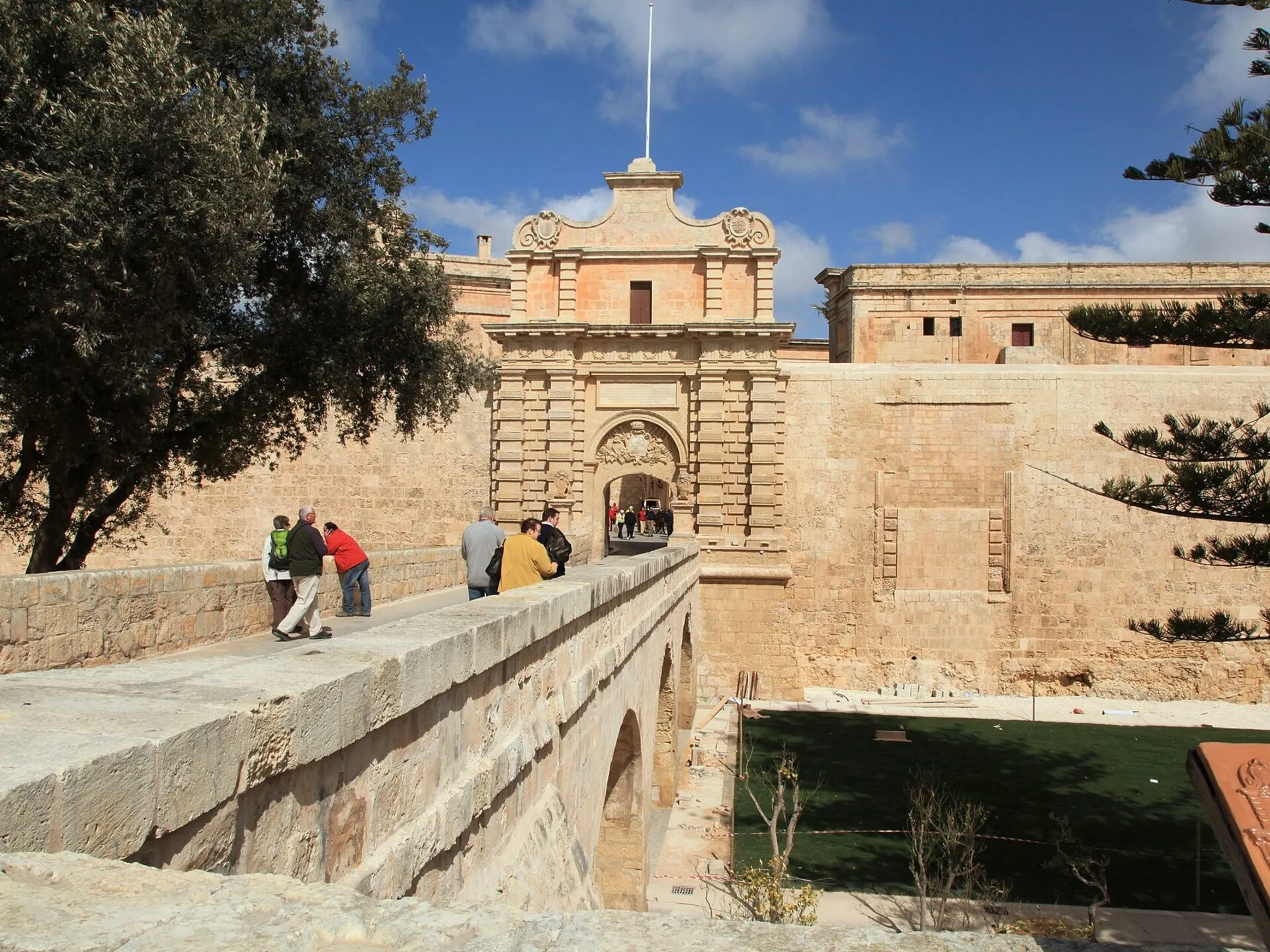
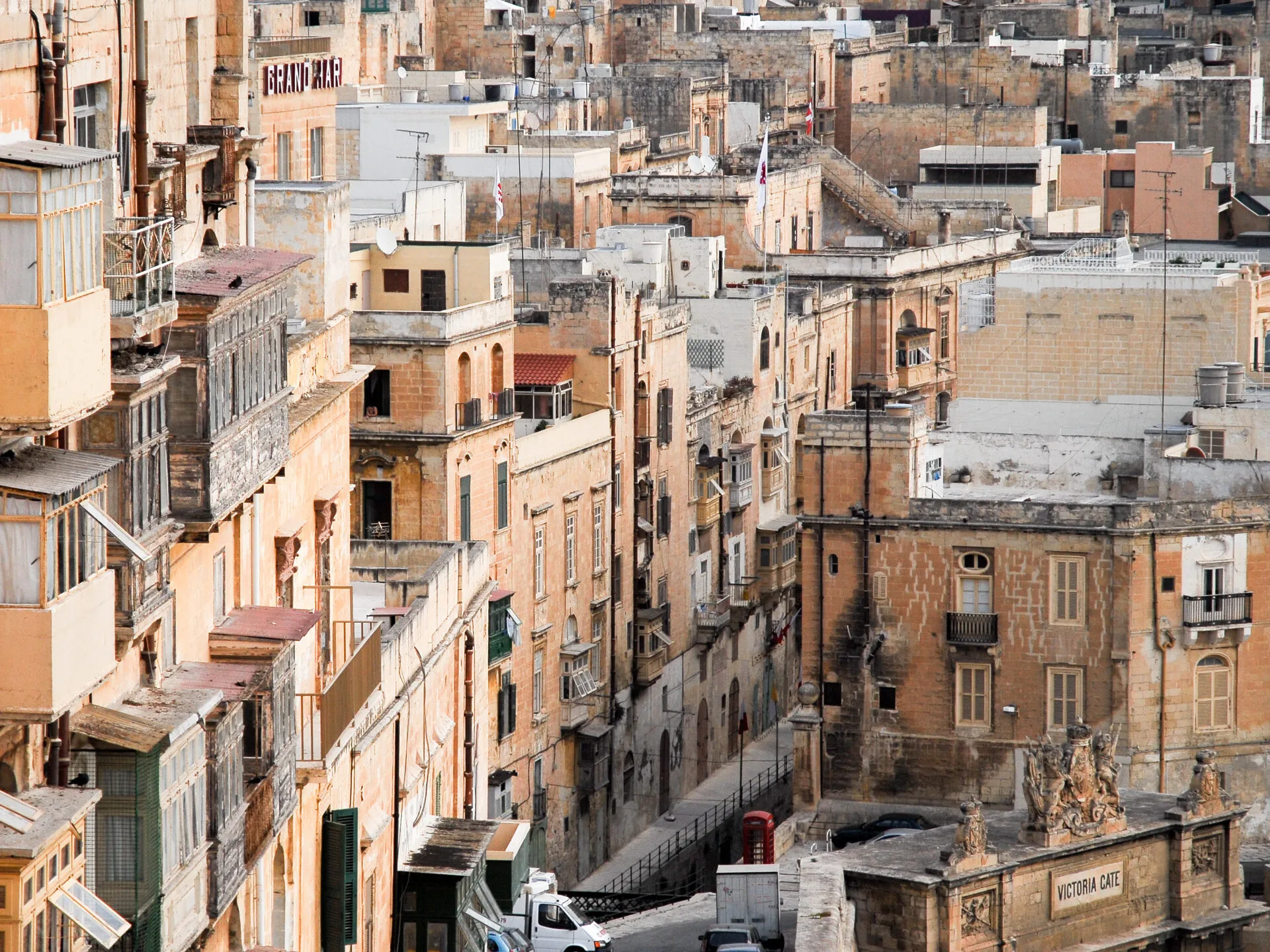
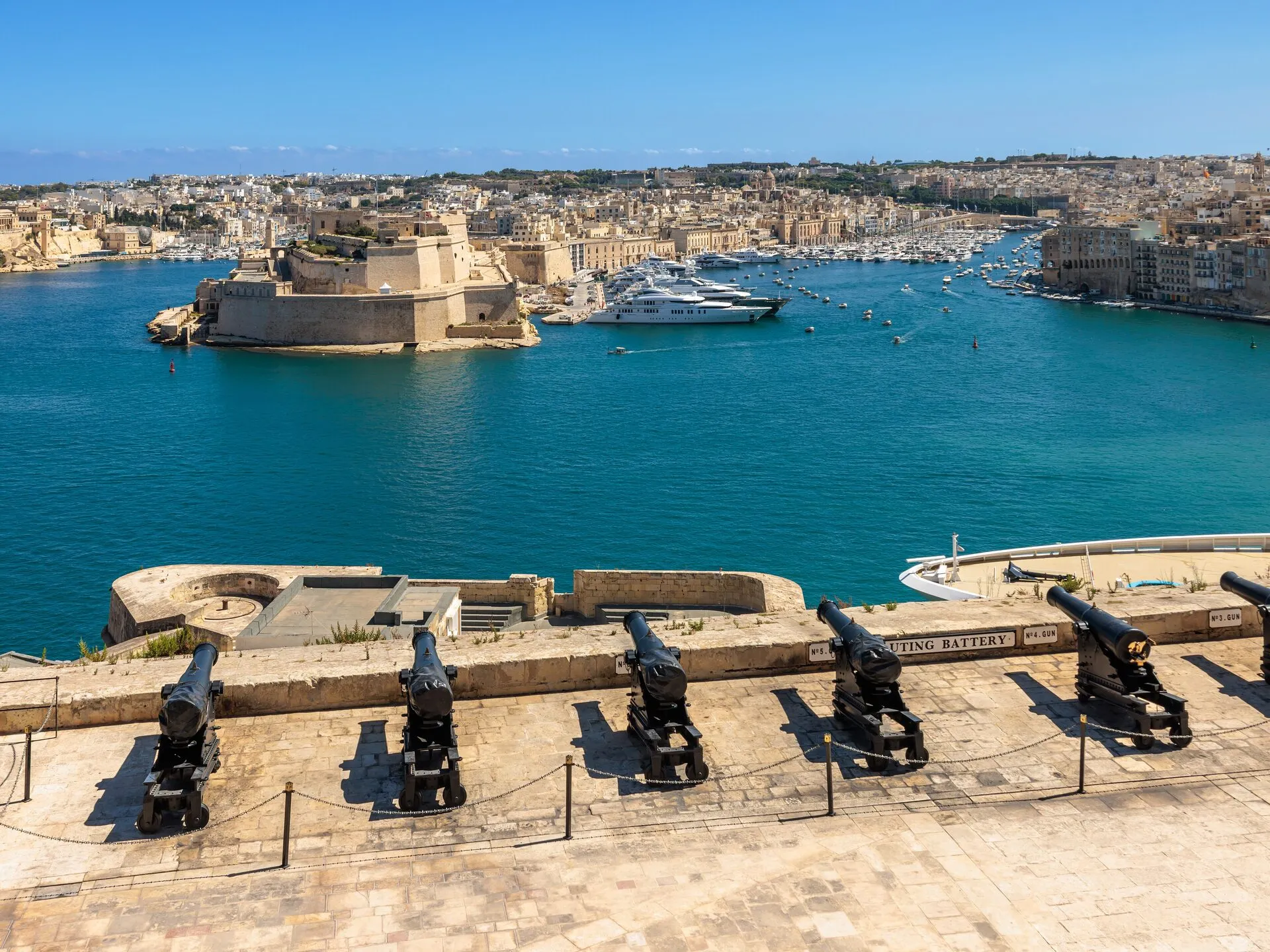
Malta is a small limestone archipelago in the middle of the Mediterranean, between Sicily and North Africa, and it packs more history per square kilometre than almost anywhere else on the sea. Valletta is a fortified capital built by the Knights of St John, Mdina is the silent old city inland, and Gozo and Comino trade the crowds for diving and the Blue Lagoon.
It is an EU and Schengen country on the euro, and English is an official language, which makes it unusually easy to navigate for visitors who do not speak Maltese. The island is small enough to see in a few days, and the buses reach almost everywhere from Valletta.
When to go
Spring and autumn are the best months, with warm days and thinner crowds than the summer peak. July and August are hot and busy, and the harbours and beaches fill. The swimming season runs from about June to October, and the shoulder months of May and October give warm water without the peak prices. Winter is mild and quiet, with shorter days and some coastal venues closed.
Getting around
Malta International Airport sits about 8 km from Valletta, and the TD4 express bus reaches the city in about twenty minutes for 3 EUR. A single day-route ticket costs 2 EUR in winter or 2.50 EUR in summer and is valid for two hours with transfers, a night route is 3 EUR, and a seven-day Explore card is 25 EUR. A regular ferry links Sliema and Valletta in about fifteen minutes, which turns the cheaper accommodation across the water into a practical base. The old X-prefix airport buses were retired in April 2025.
What it costs
Planning figures for 2026, per person per day and excluding flights and accommodation: a lean sightseeing day in Valletta runs near 30 EUR with one paid sight and street food, a comfortable day sits around 70 to 90 EUR with two sights, a market lunch, and a proper dinner, and a half day in Mdina lands around 40 to 60 EUR. The big admissions are fixed, with St John's at 15 EUR, the Grand Master's Palace at 12 EUR, and Fort St Elmo at 10 EUR. Prices are in euros, and cards are accepted almost everywhere.
Where to stay
Staying inside Valletta means waking up in the city before the day-trippers arrive, which is the best argument for the premium, though the supply is limited, so book early. Across the water, Sliema and St Julian's have more and cheaper rooms with a regular ferry link to the capital, and the Three Cities are quieter, more residential, and better value. For Mdina, most visitors base in Valletta or Rabat, a few minutes on foot from the gate, and come for the empty early morning or the dusk.
Practical information
| Getting around | Buses reach almost everywhere from Valletta, with a single ticket valid for two hours, and a ferry links Sliema and the capital in about fifteen minutes. Distances are short, but the roads are busy in summer. |
|---|---|
| When to go | Spring and autumn for warm days and fewer crowds. July and August are hot and busy, and the swimming season runs from about June to October. |
| Money | Euro. Cards are accepted almost everywhere, and cash is useful for small shops and the bus. Tipping of around ten percent is normal in restaurants. |
| Language | Maltese and English, both official, so English speakers have no trouble. Driving is on the left, which visitors from mainland Europe and North America should note if they hire a car. |
| Safety | Malta is safe for normal travel. The limestone is slippery when wet, so mind the bastions and the sea rocks, and use sun protection, since shade is scarce on the forts and at the Blue Lagoon. |
Points of interest
- Valletta - a walled UNESCO capital of bastions, churches, and the Grand Harbour
- Mdina and the Three Cities - medieval lanes and harbour forts across the water
- Gozo and Comino - the Blue Lagoon, diving, and a slower island pace
- Megalithic temples - Ggantija, Hagar Qim, and Mnajdra, older than the pyramids
- An English-speaking island - EU, Schengen, and euro, with English as an official language
Read next