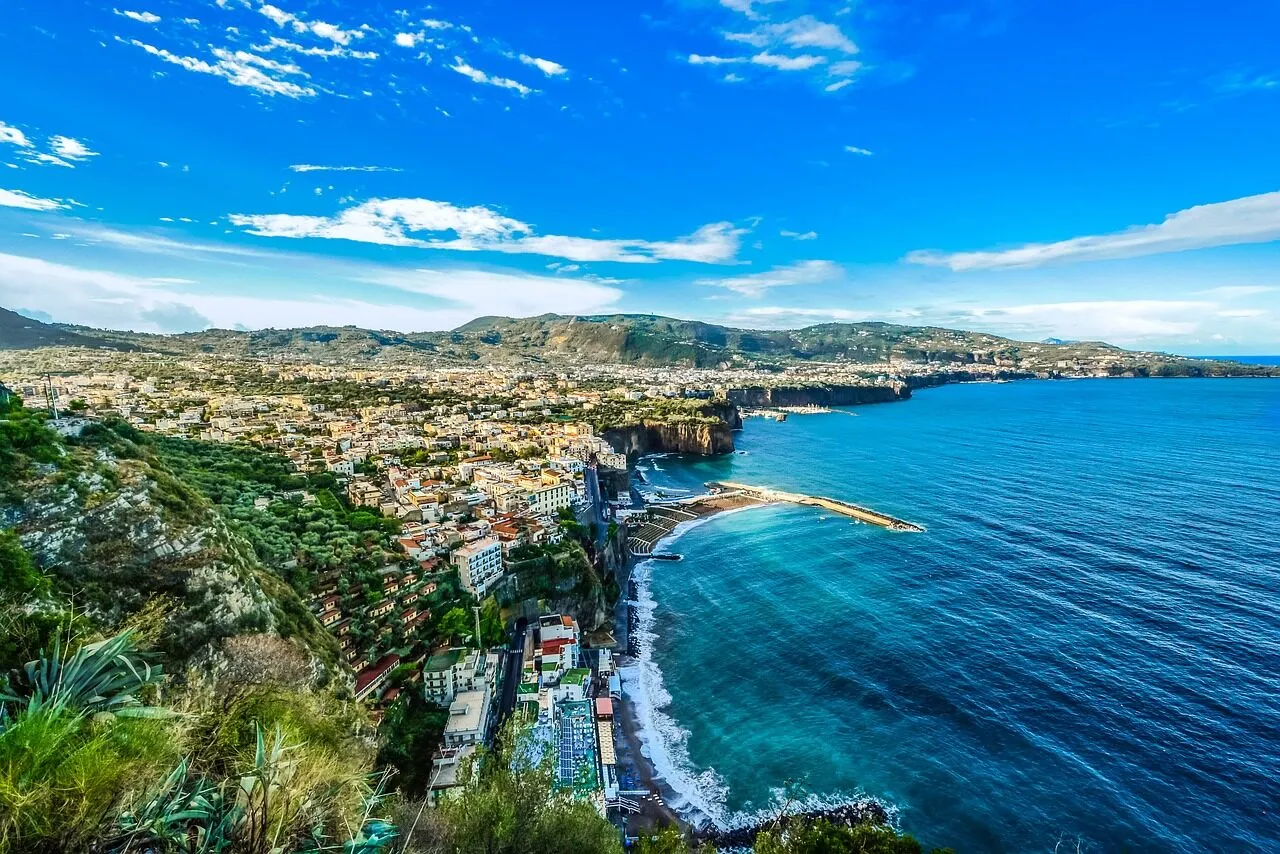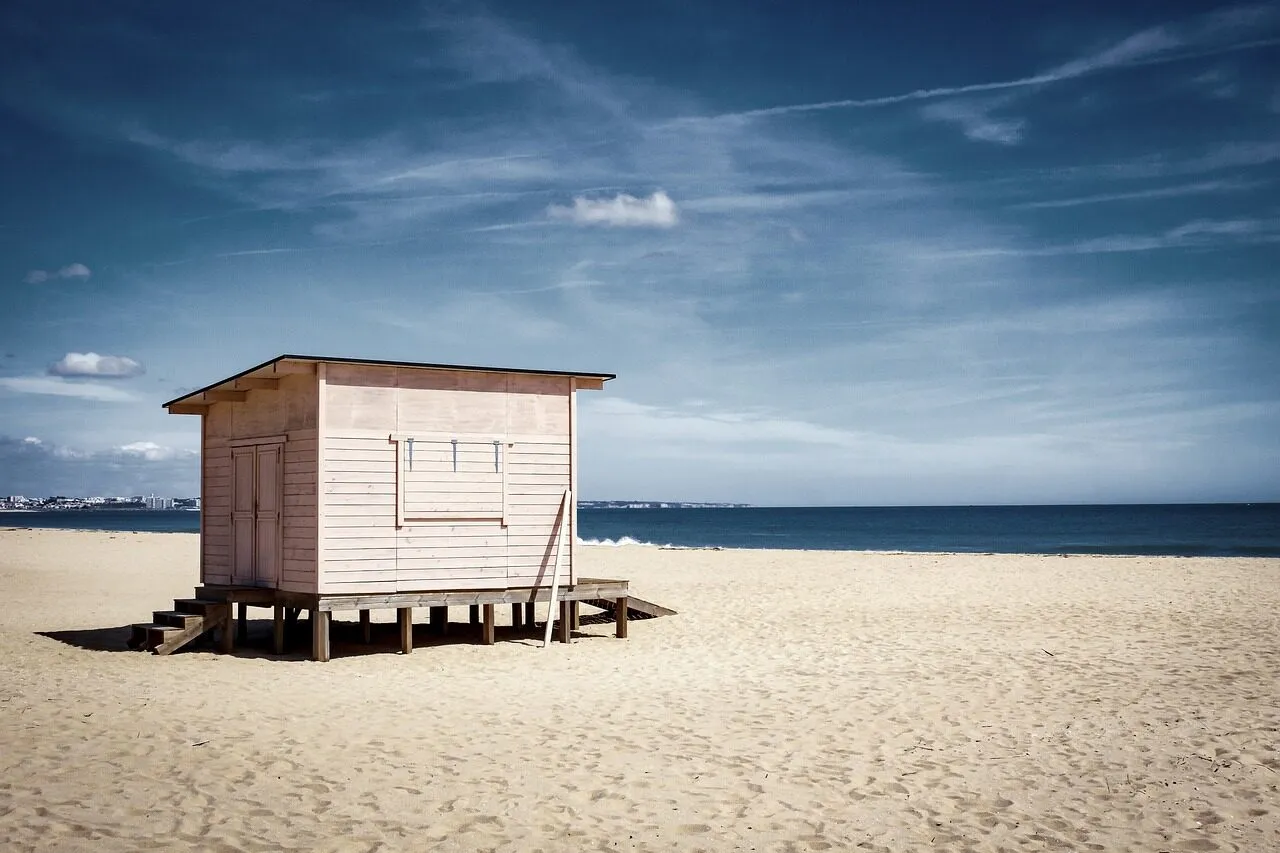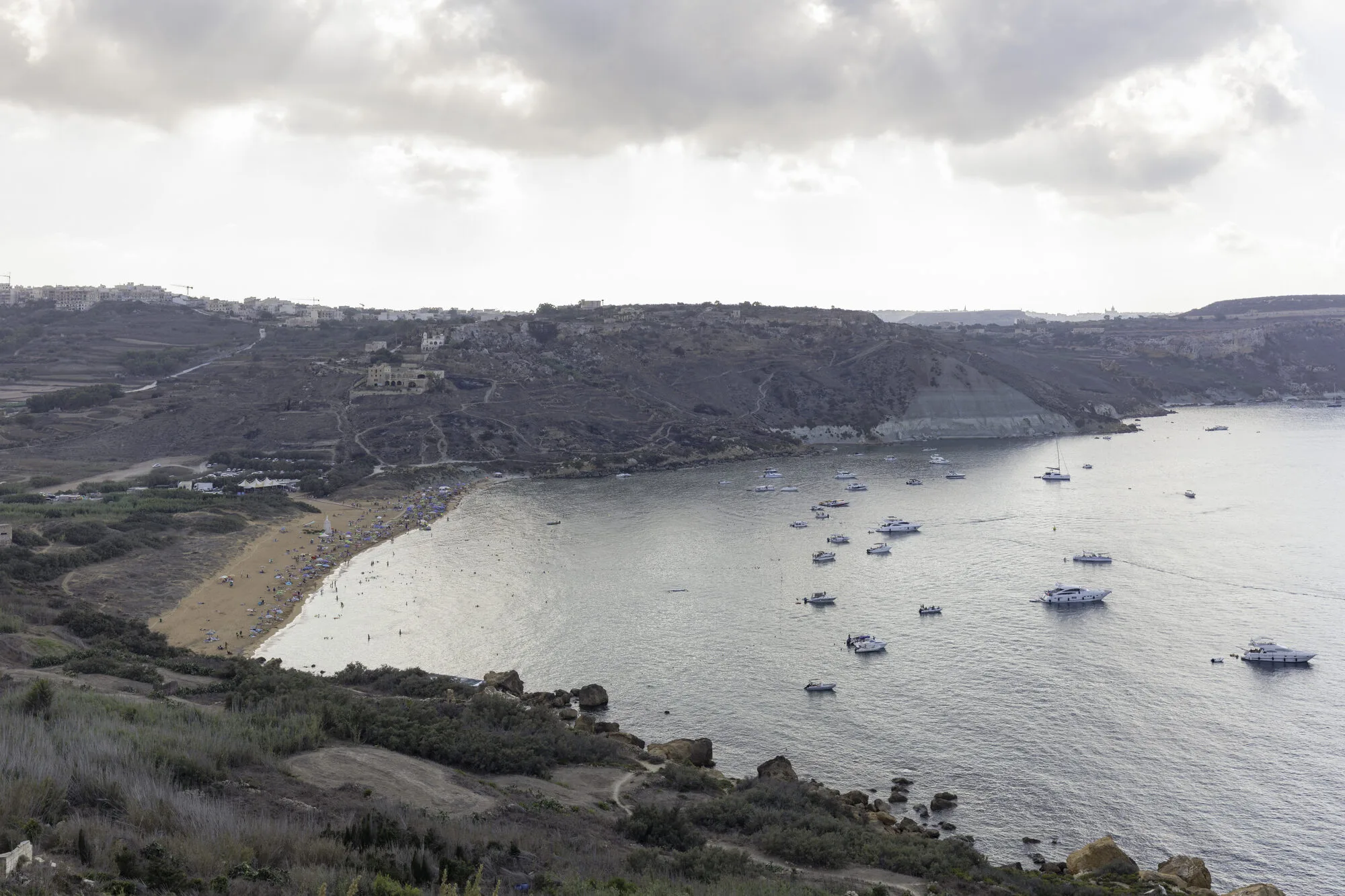
Malta is one of the sunniest places in Europe, with more than 300 days of sunshine a year and a swimming season that runs from late May into October. That makes the timing question less about whether the weather will be good and more about how much heat and how many people you want with it. The island is small and popular, and the gap between May, June, September and October on one hand and July and August on the other is the difference between a relaxed trip and a hot, crowded, expensive one.
This guide goes through the year month by month, with the air and sea temperatures, the crowds and prices, and the events worth planning around, so you can pick the window that fits your trip. It is the seasonal reference for the rest of the Malta guides; the itinerary shows how to structure the days once you have chosen the month, and the country guide has the wider picture. If diving is the reason for the trip, the Malta and Gozo diving guide covers water temperature, visibility and the months when the exposed sites are calm.
Plan and book
3 partners- Flights
Fares swing hard by season. Compare routes into Malta International (MLA) for your dates.
Search flights - Tours and boats
Blue Lagoon trips, Gozo days, diving and harbour cruises, all busiest in the peak months.
Browse activities - Where to sleep
Shoulder season rooms are cheaper and easier to find. Compare prices across the year.
Find a room
The short answer
May, June, September and October are the best months. They give warm days in the low to mid twenties and up to about 28 C, a sea warm enough to swim from late May through October, and crowds and prices well below the summer peak. June edges the others for long days and reliable sunshine; September has the warmest water of the year, around 25 to 26 C, and the calmest feel once the school holidays are over.
If your dates are flexible, the single most useful rule is to avoid July and August. They are the hottest, the busiest and the most expensive months, and while the swimming is at its best, sightseeing in the middle of the day is hard work on limestone streets with little shade. The shoulder months give you most of the warm water and none of the crush.
Spring (April to June)
Spring is the season for walking and sightseeing, when the island is green and the wildflowers are out and the crowds have not yet arrived. April averages about 19 C, May about 23 C, and June about 27 C, with the sea climbing from a cool 18 to 20 C in early spring to a comfortable 22 to 23 C by June. The early spring rain fades into long, clear days, and the light on the honey coloured towns is the best of the year.
The one caveat is the sea. In April and early May it is still cool for a long swim, so treat spring as a sightseeing and walking season rather than a beach one, and expect some beach clubs and smaller restaurants to be still opening up. By June everything is running, the water is warm, and the island is busy but not yet full.
Summer (July and August)
July and August are the peak in every sense. Daytime highs run about 31 to 34 C, with heatwaves that can pass 40 C, and the sea reaches about 26 C, so the swimming is the best of the year morning to evening. The catch is everything around it: the harbours, the Blue Lagoon and the beaches are at their fullest, the boat trips sell out, and hotel rates rise by a fifth to two fifths over the shoulder season. August is the single busiest month, and the August 15 public holiday adds a wave of domestic travel.
The heat also dictates the schedule. Plan outdoor time for before about 10:30 and after about 17:00, take a long indoor or water break in the middle of the day, and lean on buses and ferries rather than walking. It is a wonderful time for a beach and boat holiday and a hard time for a city break, and the crowds mean you should book ferries, the Blue Lagoon and any guided trip well ahead.
Autumn (September and October)
Autumn is the connoisseur’s choice. September keeps the summer warmth, with days around 28 C and the warmest sea of the year at 25 to 26 C, but the crowds thin from the first week as the school holidays end, and the prices start to fall. The light softens, the evenings are long enough to eat outside, and the island relaxes into its local rhythm. It is arguably the best month for island hopping, swimming and photography all at once.
October is milder still, around 24 C, with a sea of about 22 to 23 C that is still very swimmable in the first half of the month. It is quiet and good value, with the festas largely over and the summer businesses beginning to wind down late in the month, so it suits anyone who wants warm days without the heat or the crowds and does not mind the odd cooler evening.
Winter (November to March)
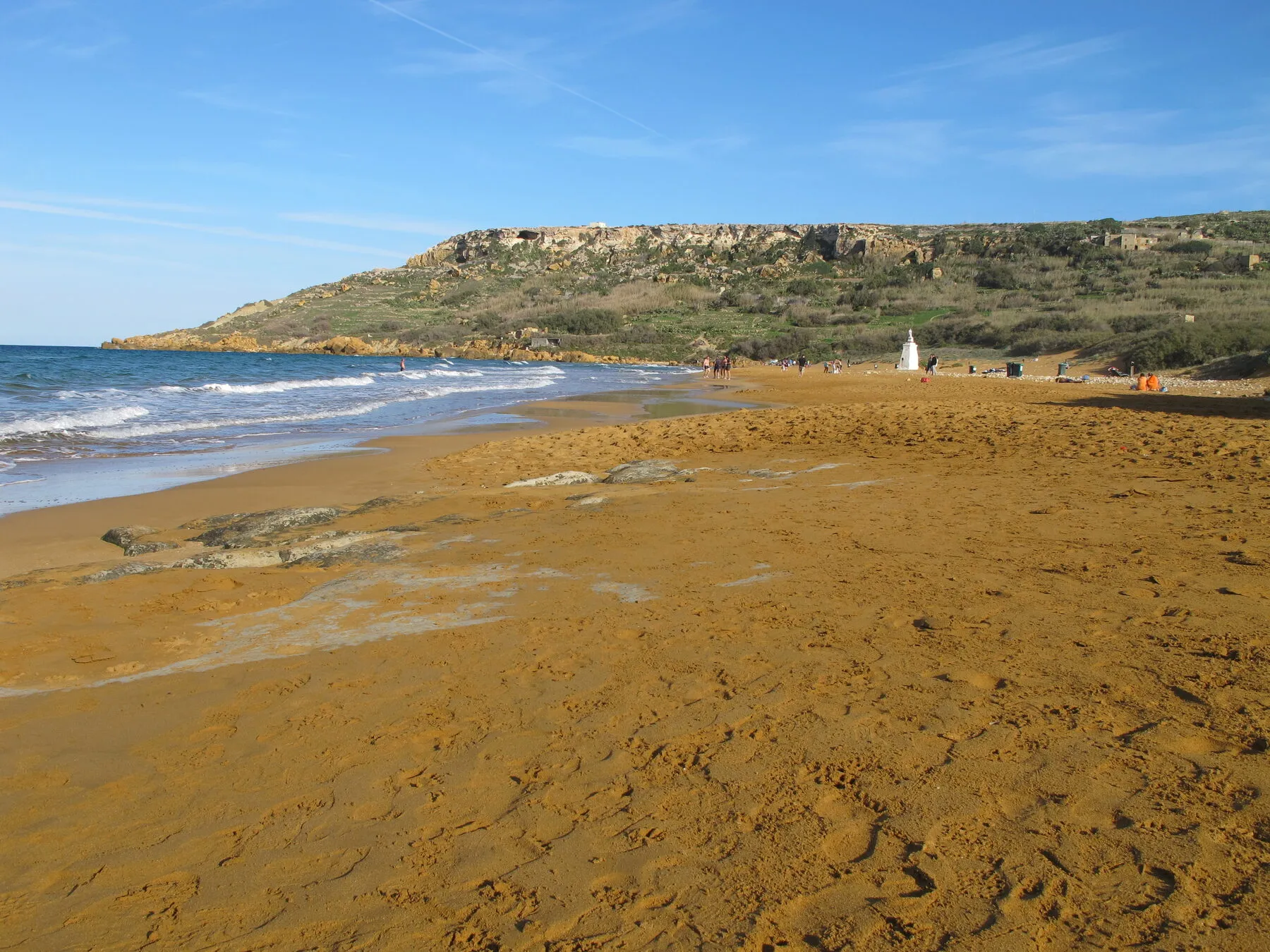
Winter in Malta is mild and quiet rather than cold. Daytime temperatures sit around 15 to 17 C from December to February, there is some rain, and the island empties of tourists, which makes it cheap and calm and good for the cultural side of the trip. The sea drops to about 15 to 18 C, cool for most swimmers, so winter is sightseeing weather rather than beach weather, and some coastal hotels and restaurants close or slow down.
The wind is the winter variable. The Grigal, a northeast wind, blows from November to February and can make the exposed coasts rough and the ferries less predictable, so if winter travel is the plan, keep the sea days flexible. For anyone who wants the temples, the cities and the museums without crowds, and does not mind a jacket, winter is genuinely underrated.
Events and festas
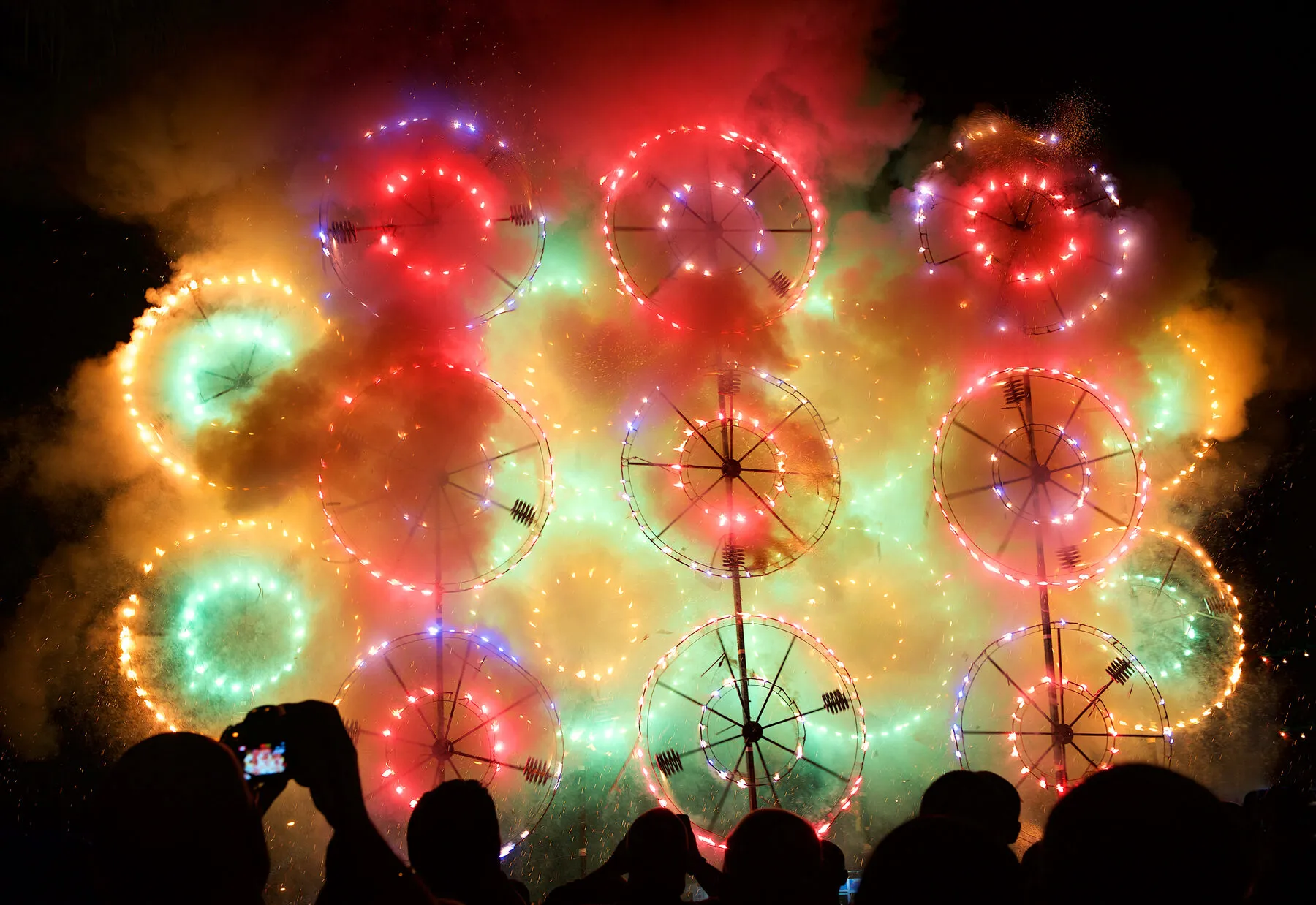
Malta’s calendar is worth planning around. Carnival fills February with parades and costume in Valletta and the villages. The free Isle of MTV festival draws tens of thousands to Floriana in late June or July. Notte Bianca, a night of open museums and performances, is in October, and the Rolex Middle Sea Race brings the yachts into the Grand Harbour the same month. The one to look for above all is the village festa: from May to September, almost every village throws a weekend for its patron saint, with band marches, food stalls and serious fireworks, and they are the most local and least touristy event on the islands.
Which month to pick
Match the month to the trip. For a beach and swimming holiday, aim for June, July or September, with the warmest water in late summer and September. For sightseeing, walking and the cities, April, May, early June and October are ideal, with the greenest countryside in spring and the softest light in autumn. For value and quiet, look at May, October and the winter months, accepting a cooler sea. For a special event, time the trip to a village festa in summer or to Carnival in February. If there is one month that does the most for the most people, it is June, and if there is one to avoid without a reason, it is August.
Practical information
| Best months | May, June, September and October for the best balance of weather, sea temperature and crowd levels. September has the warmest sea of the year. |
|---|---|
| Sea temperature | About 20 C in May, 23 C in June, 26 C in July and August, 25 to 26 C in September, and 22 to 23 C in October. Swimmable from late May into October. |
| Peak to avoid | July and August for heat, crowds and price, with highs of 31 to 34 C and occasional heatwaves over 40 C. August is the busiest month. |
| Prices | Highest in July and August, up 20 to 40 percent over shoulder season. May, October and winter are the value months. |
| Weather watch | Over 300 sunny days a year, but the Grigal northeast wind from November to February can make ferry and boat days less predictable, so keep sea days flexible in winter. |
Disclosure. This blog post contains affiliate links. If you book through them, Mediterranean Vibes may earn a small commission at no extra cost to you; it is how the site stays up.