Italy runs the length of the Mediterranean, from the Alps to within a few kilometres of Africa, and that makes the timing question more complicated than for a small island. The north has cold, snowy winters and humid summers, the centre around Rome and Florence is classically Mediterranean, and the south and the islands are warmer still with a longer beach season. Choosing when to go is really about choosing which Italy you want, and then picking the month that suits it.
This guide goes through the year month by month and then breaks it down by region, with the temperatures, the crowds and prices, the sea, and the events worth planning around. It is the seasonal reference for the rest of the Italy guides; the Italy itinerary shows how to structure a trip once you have the month, and the Italy country guide has the background.
Plan and book
3 partners- Flights
Fares swing hard by season. Compare routes into Rome, Florence, Venice or Naples for your dates.
Search flights - Trains
Move between the regions by high-speed rail, cheap booked ahead, whatever the season.
Compare trains - Where to sleep
Shoulder season rooms are cheaper and easier to find. Compare prices across the year.
Find a room
The short answer
April to June and September to October are the best all-round months, and September edges the others. The summer crowds have thinned, the days are still warm, the sea is at its warmest, and the grape harvest is under way. May and June are nearly as good, with spring green, long days and lower prices, and April and October are the value months, mild and quiet but with a cooler sea.
July and August are the peak: the hottest, the busiest and the most expensive, with Ferragosto on 15 August sending the whole country to the coast. Winter is cold and wet in the north and mild in the south, and the cities are quiet and cheap outside the Christmas and New Year weeks. The one rule to hold onto is the north-south split: the south and the islands have a longer, warmer season, so October is still a beach month in Sicily while it is autumn rain in Venice.
Spring (March to May)
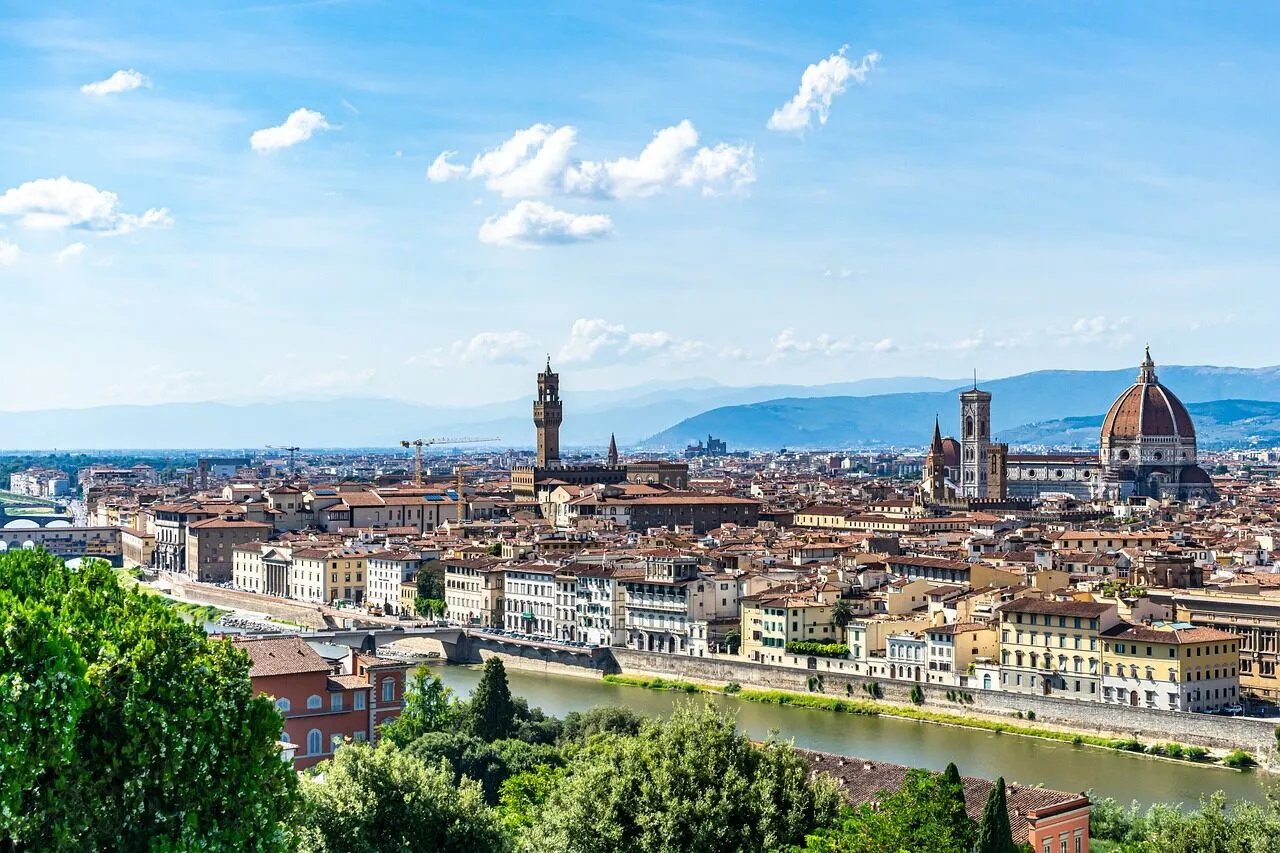
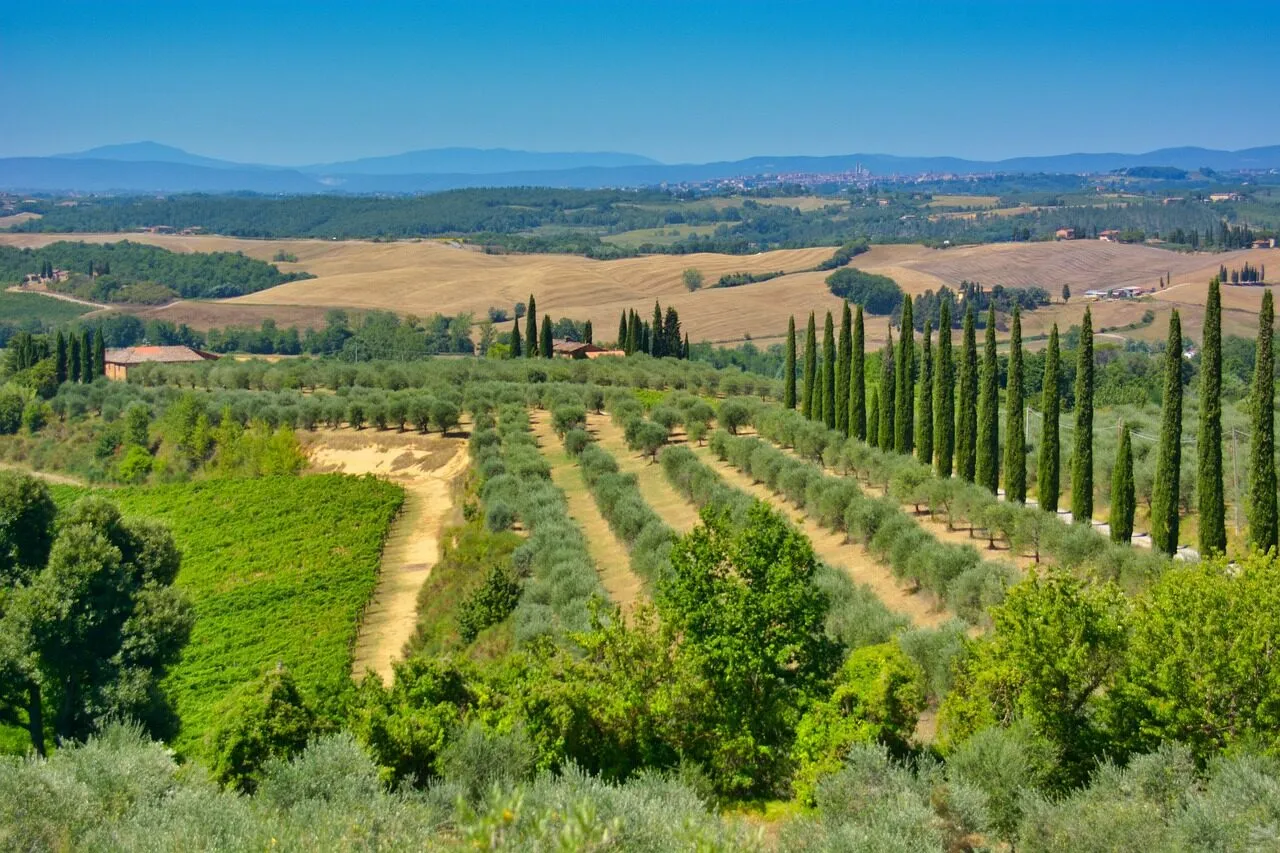
Spring is the season for the cities, the countryside and the art, when Italy is green and the crowds have not yet arrived. March is still cool and changeable, April brings the wildflowers and the first warm days, and May is the sweet spot: warm, sunny days in the low twenties, long evenings, and prices well below summer. Rome, Florence and Venice are at their best for sightseeing, and Tuscany, Umbria and the lakes are green and quiet.
The caveat is the sea. The Mediterranean is cold in early spring, so treat March and April as sightseeing months rather than beach ones, and expect some coastal businesses to be still opening. By late May the southern coasts and the islands start to warm up, and the long Italian spring evenings are the reward for coming before the summer rush.
Summer (June to August)
Summer is hot and dry, and it is the season most people picture. July and August bring highs of about 30 to 35 C in Rome and the south, hotter inland, with almost no rain and long, bright days. It is the best time for the beach and the warmest sea of the year, and it is also the busiest and most expensive, when the coast books out, the cities fill, and the roads and beaches are at their fullest. June is the gentler version: warm and reliable, but not yet at peak crowds or peak prices.
Ferragosto, on 15 August, is the peak of the peak, when Italians take their holiday and the beaches, the roads and the ferries are at their busiest. The heat is worst in the cities and the south, where the historic centres bake, and the answer is to do as the Italians do: mornings and evenings outdoors, the middle of the day indoors or in the sea. If you come in summer, book everything, the trains, the galleries and the coast, well ahead.
Autumn (September to November)
Autumn is the connoisseur’s choice and the best window of the year. September keeps the summer warmth, with days around 27 C in Rome and the south, but the crowds thin from the first week, the prices fall, and the sea is at its warmest. The light softens, the vineyards are in harvest, and the whole country relaxes into its local rhythm. It is arguably the best month for the cities, the coast and the wine country all at once.
October is milder still and very pleasant, around 22 C, and the southern coasts and the islands stay warm enough for the beach and for walking, while the north begins to turn cooler and wetter. The white truffle season starts in Alba, the olive harvest begins, and the cities are at their most enjoyable. November is the wettest month in much of the centre and north, the start of the quiet season, cheap and calm but with more rain, and the lagoon tides can flood Venice.
Winter (December to February)
Winter in Italy is two countries. The north is cold and often wet, with snow in the Alps and the Dolomites and a ski season from December to March, and Venice is cold, foggy and prone to acqua alta, the high tides that flood St Mark’s Square. The south and the islands are mild, around 15 C, and the cities, Rome, Naples, Palermo, are quiet, cheap and far more pleasant than in summer, with the sights to yourself.
Winter is the season for the museums, the food and the cities rather than the beach, and for the Carnival that fills February, especially in Venice. The Christmas markets in the north and the New Year celebrations are the busy spells, and outside them it is the cheapest and calmest time to see the art cities. The sea is too cold for swimming almost everywhere except a hardy few on the southern islands.
By region
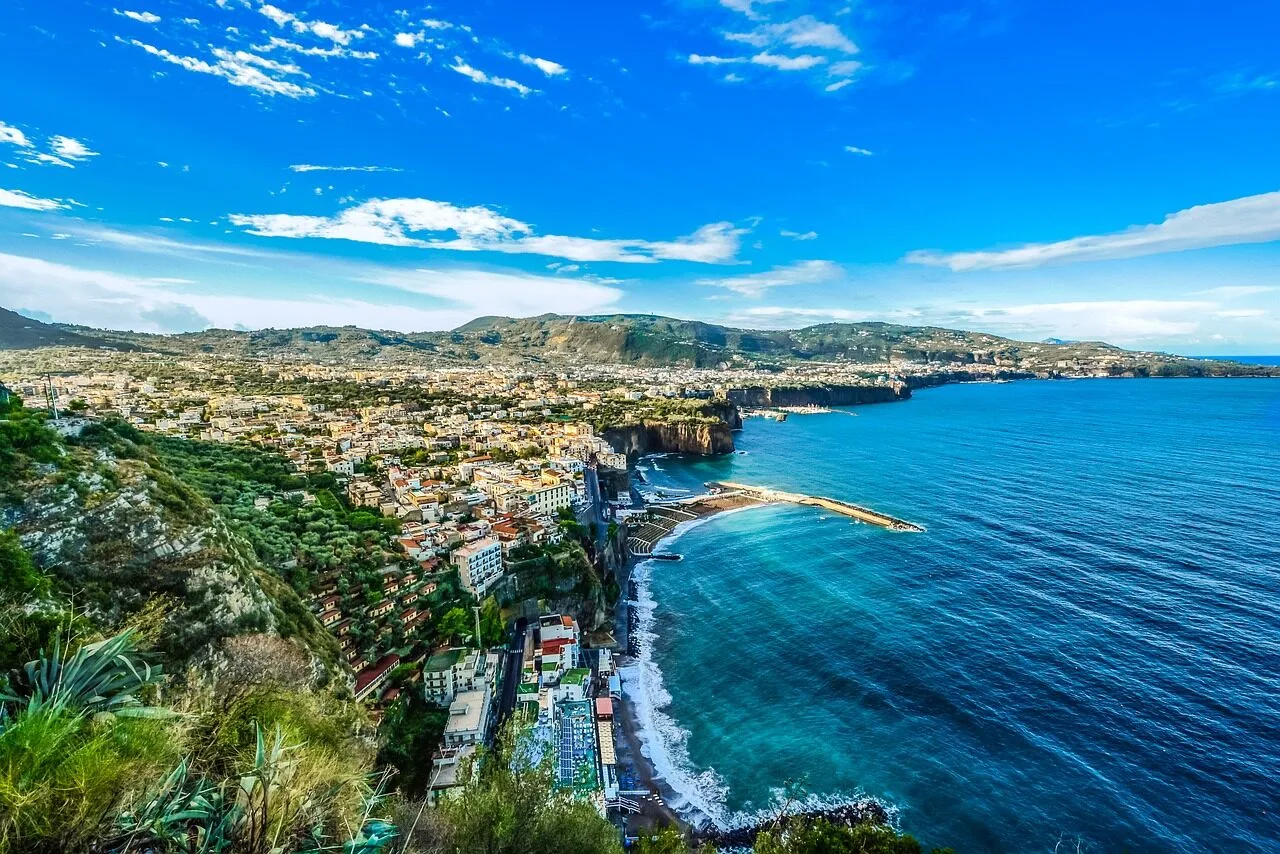
The north, Milan, Venice, the lakes and the Dolomites, has a continental climate: cold winters, hot and humid summers, and the best weather in late spring and early autumn. The centre, Rome, Florence and Tuscany, is Mediterranean, with mild, rainy winters and hot, dry summers, and the sweet spots in May, June, September and October. The south, Naples, Puglia and the Amalfi Coast, is warmer and sunnier all year, the best winter and late-autumn option, and the earliest and latest place for beaches.
The islands, Sicily and Sardinia, are the warmest and have the longest season, with swimming from May or June into October and mild winters. The Amalfi Coast and the Cinque Terre are both best in the shoulder months, but the Amalfi Coast is warmer and its season longer, while the Cinque Terre is cooler and wetter. The deeper regional guides, the Amalfi Coast, Sicily and Sardinia, each carry their own timing, and the cities are in the Rome guide.
Events
Italy’s calendar is worth planning around, and two dates are worth avoiding if you want quiet. Easter and Ferragosto, on 15 August, are the two times the whole country travels, and the coast, the roads and the ferries are at their fullest. Beyond those, the year has Venice Carnival in February, with its masks and balls, and the Palio di Siena, the bareback horse race round the shell-shaped piazza, in July and August. The Verona opera season runs through the summer, and the white truffle season in Alba, in Piedmont, is October and November. The grape harvest, in September and October, is the best time for a wine trip.
Which month to pick
Match the month to the trip. For cities, art and walking, aim for April, May, June, September or October, with the greenest spring and the softest light in autumn. For the beach and warm water, June, July, September and early October in the south and the islands. For wine and the countryside, late September into October. For skiing and the winter cities, December to March in the north, or the mild south any winter month. If there is one month that does the most for the most trips, it is September, and the two to avoid without a reason are July and August.
Practical information
| Best months | April to June and September to October for the best balance; September is the single strongest month, with warm days, the warmest sea and the harvest. |
|---|---|
| Temperatures | Rome and the centre about 15 C in January rising to 30 to 35 C in July and August; the south and the islands warmer and longer; the north colder in winter and humid in summer. |
| Sea temperature | Warmest from July through September, swimmable into October on the southern coasts and the islands. The north ends its season earlier. |
| Peak to avoid | July and August for heat, crowds and price, and the Easter and Ferragosto travel peaks. Book the big sights and the coast well ahead if you come then. |
| Regional watch | The north is cold and wet in winter, with skiing; the centre is Mediterranean; the south and the islands are the warmest and the best winter option. Venice is cold and can flood in winter, and humid in summer. |
Disclosure. This blog post contains affiliate links. If you book through them, Mediterranean Vibes may earn a small commission at no extra cost to you; it is how the site stays up.