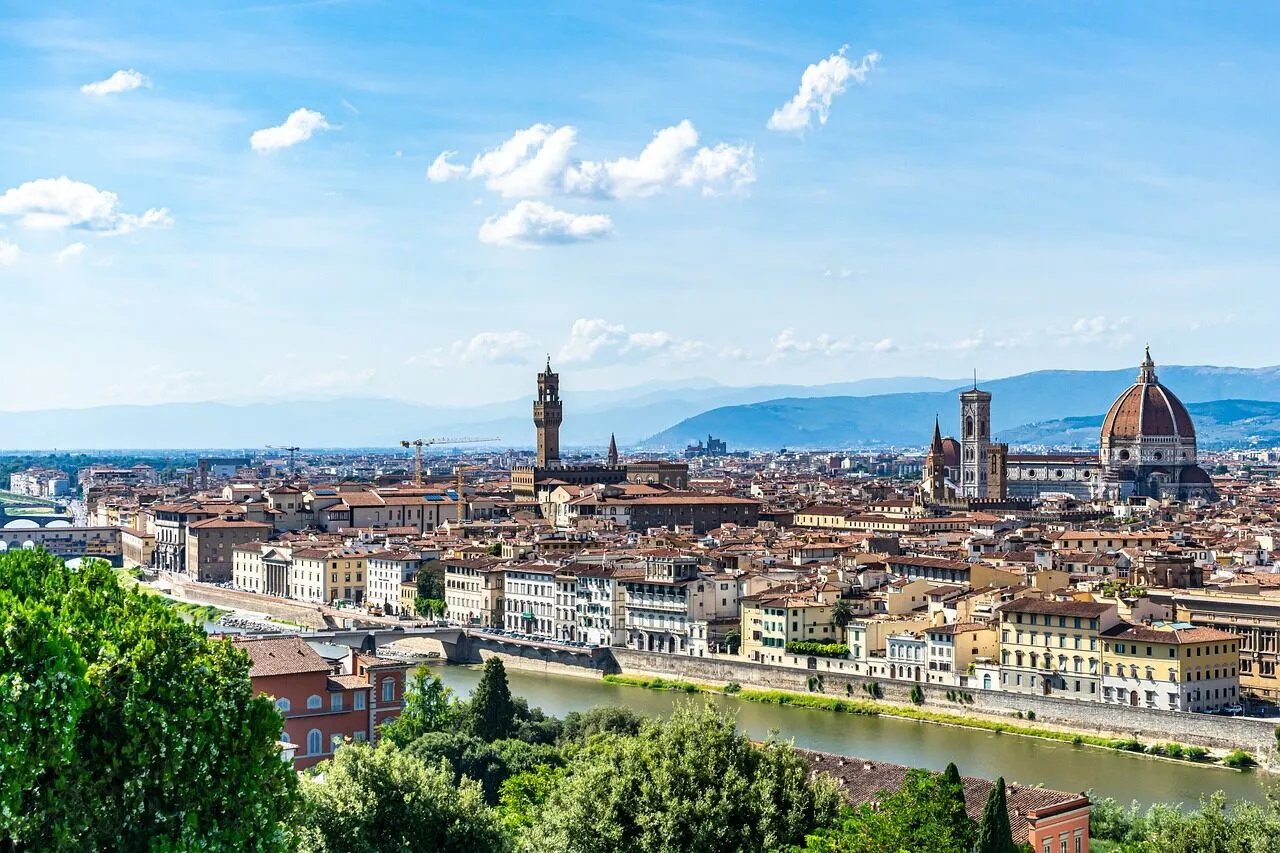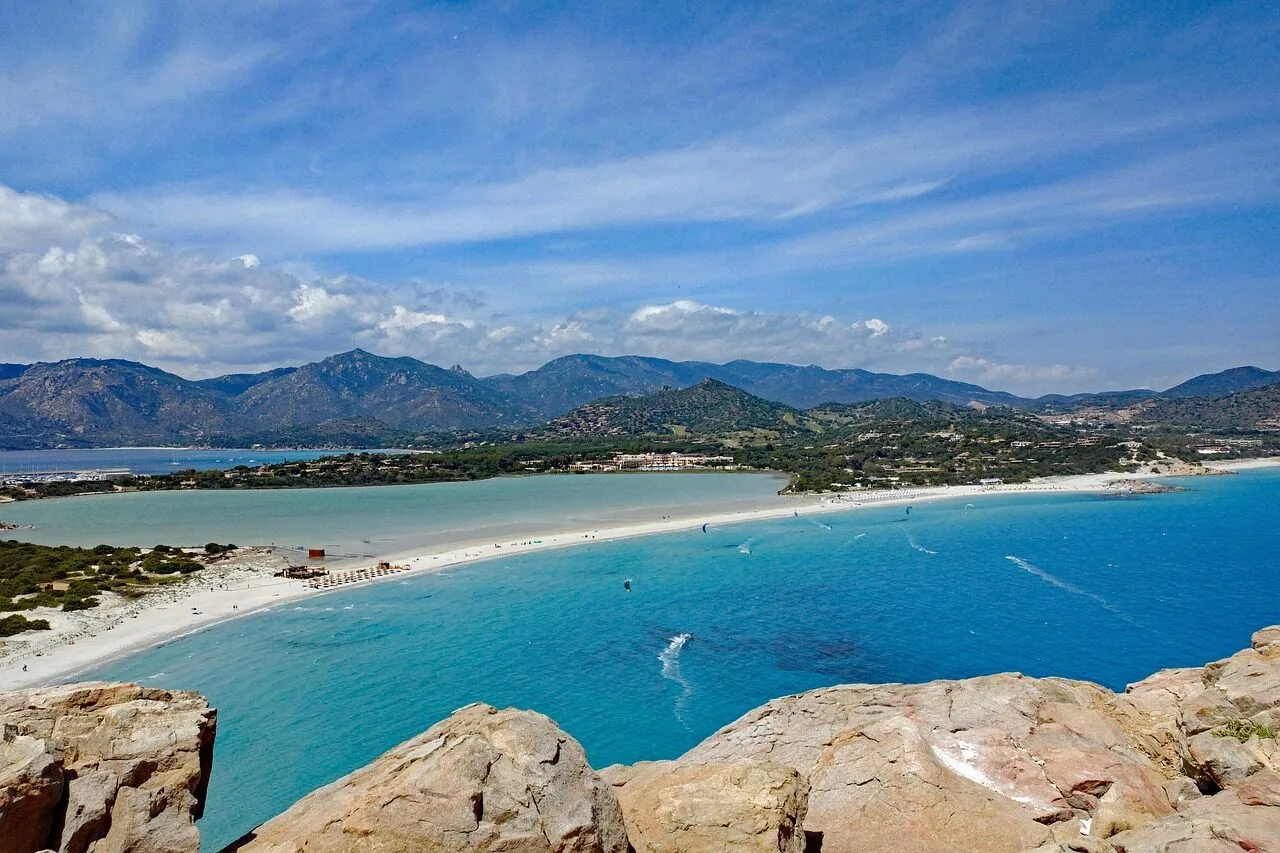
Sardinia is the second-largest island in the Mediterranean, and one of the most varied. It has the most exclusive coast in Italy in the north-east, the Costa Smeralda, and the wildest and most remote beaches in the east, reached only on foot or by boat. It has a gritty, characterful capital in Cagliari in the south, a Catalan-speaking town in the north-west, and an interior of mountains, shepherds and Bronze Age stone towers that most visitors never see.
The island is also big, and the mistake is to try to see it all. The beaches are the draw, but they are strung along hundreds of kilometres of coast, and the best ones often need a car, a hike or a booking. This guide covers where to base, the famous coasts and the quieter ones, the food, and the rules that now govern the most beautiful beaches. It fits the wider country through the Italy itinerary, pairs well with the south in the Puglia guide, and the month-by-month timing is in the best time to visit Italy guide.
Plan and book
3 partners- Flights
Fly into Cagliari, Olbia or Alghero, with direct links from across Europe. Compare routes.
Search flights - Trains
The island railway links Cagliari, Oristano, Sassari and Olbia; a car covers the beaches.
Compare trains - Where to sleep
Hotels and villas in the Costa Smeralda, Cagliari, Alghero and the east coast.
Find a room
Where to base
Sardinia has three airports and several distinct coasts, and the base you choose decides the trip. Olbia, in the north-east, is the gateway to the Costa Smeralda and the La Maddalena archipelago, the most glamorous and expensive part of the island. Cagliari, in the south, is the capital and the base for the southern beaches at Villasimius, Chia and Costa Rei, with the best city life and the most reliable transport. Alghero, in the north-west, is a Catalan-influenced town with its own beaches and the Neptune’s Grotto, and it suits a quieter, less polished stay.
For the wild east coast and the Gulf of Orosei, the bases are Orosei and Cala Gonone, small towns with access to the most spectacular coves, many of them reachable only by boat or trail. Because the island is large, the sensible plan is to pick one or two areas and stay put, rather than driving the length of the island. A car is almost essential outside the towns, and a boat day is the way to see the coves that have no road at all.
The Costa Smeralda
The Costa Smeralda, the Emerald Coast, is the stretch of coast around Porto Cervo in the north-east, developed from the 1960s into the most exclusive resort area in Italy. The water is the colour the name promises, and the beaches are a sequence of pale sand and smooth granite coves, with the signature ones at Principe, Liscia Ruja, Capriccioli and the Pevero. Porto Cervo itself is a purpose-built harbour of designer shops and superyachts, expensive and polished, and it is where the island’s jet-set reputation comes from.
The coast is very jagged, which is an advantage: when the wind blows on one side of a headland, the other side usually offers a sheltered cove, so there is almost always a calm beach somewhere. The beaches are public, but the parking and the beach clubs are not cheap, and the hotels are the most expensive on the island. It suits anyone who wants the polished version of Sardinia, and it is also a good base for the archipelago next door.
La Maddalena
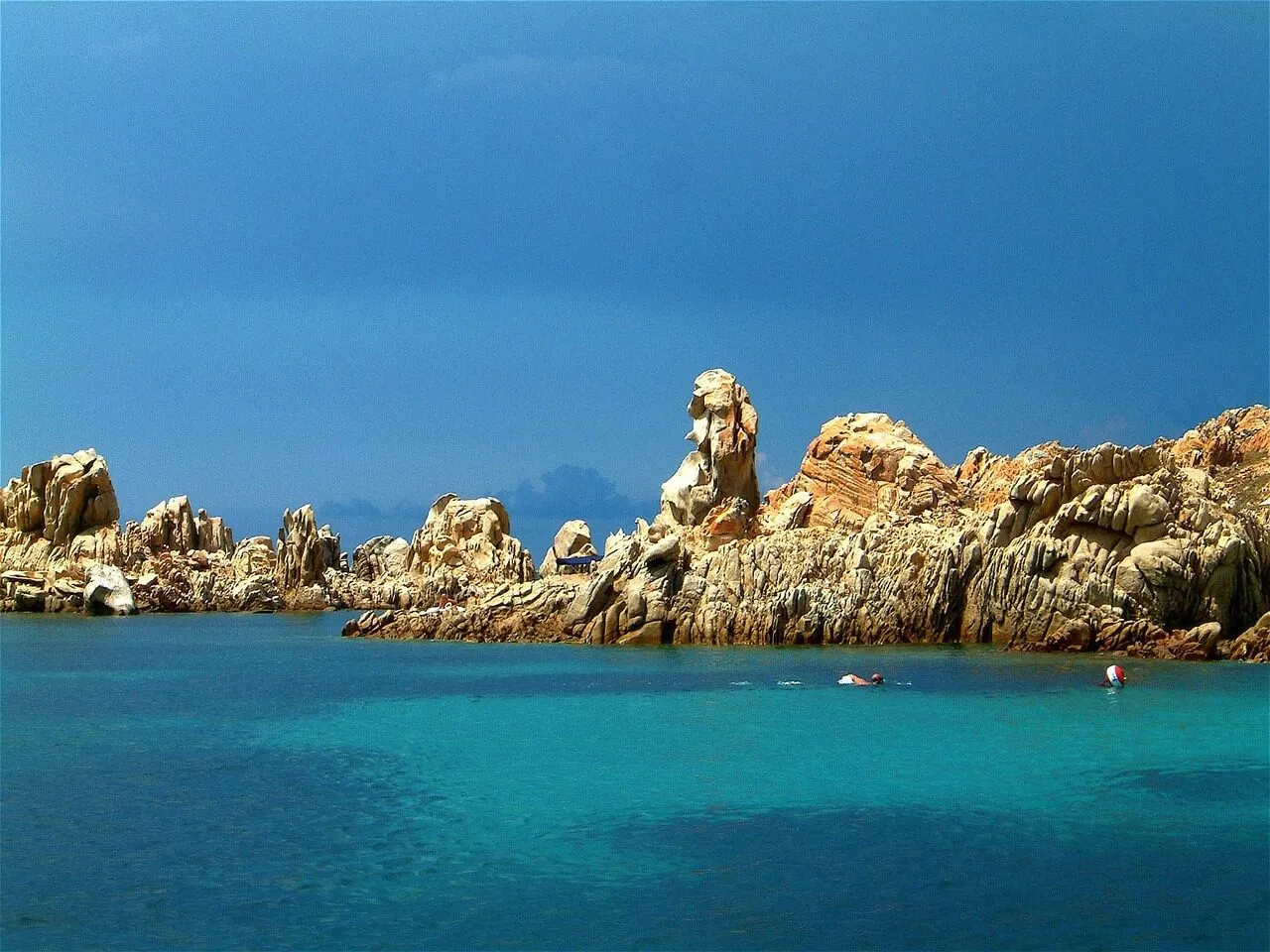
Just off the coast at Palau, the La Maddalena archipelago is a national park of seven main islands and dozens of islets, with some of the clearest water in the Mediterranean. Ferries run from Palau to La Maddalena town every 15 minutes in summer, and from there you can reach Caprera, Spargi and the other islands by boat. The most famous beach is Cala Coticcio on Caprera, nicknamed Tahiti for its pink-tinged sand and turquoise water, and it now requires an authorised guide and a small environmental fee, with a daily cap of 60 people.
The archipelago is the best day on the water in Sardinia, whether by ferry and foot or by a boat tour that threads between the islands. The town of La Maddalena is a pleasant base with restaurants and a harbour, and the whole area is a nature reserve, so the rules and the caps are part of the deal. Book the boat trips and any guided beach access ahead in summer.
The Gulf of Orosei
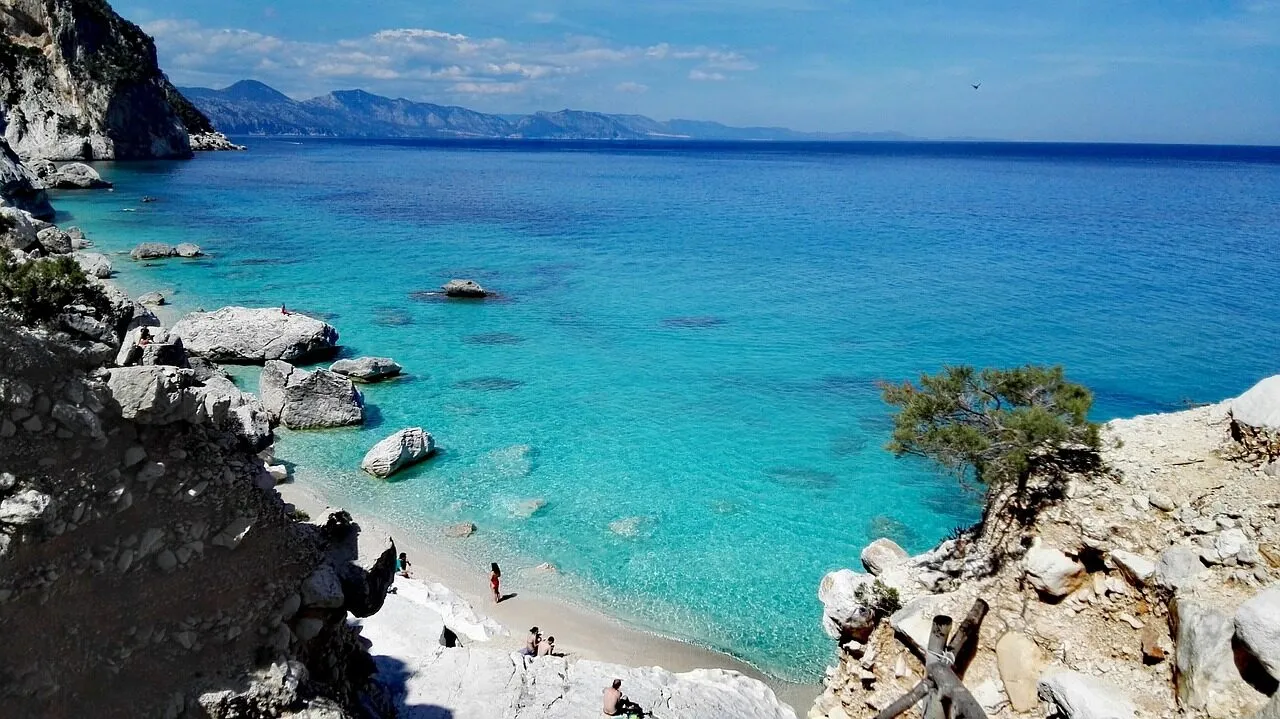
The Gulf of Orosei, on the east coast, holds the most spectacular beaches in Sardinia and the hardest to reach. Cala Goloritze, with its white pebble beach and the limestone spire above it, is the icon, and it can only be reached on foot, by a long hike from the plateau, or by boat. Cala Mariolu and Cala Luna are the other famous coves, with pale pebbles and deep turquoise water, reached by boat from Cala Gonone or on foot along the coast.
These beaches now come with rules. Cala Goloritze requires an online booking in 2026, costs 7 EUR, and is capped at 250 people at a time, and the boat coves are similarly managed in peak season. The practical approach is to book the hiking access or a boat trip ahead, go early, and treat the coves as the highlight of the east coast rather than a casual stop. The town of Cala Gonone is the base, with boats leaving from the harbour.
The south and Cagliari
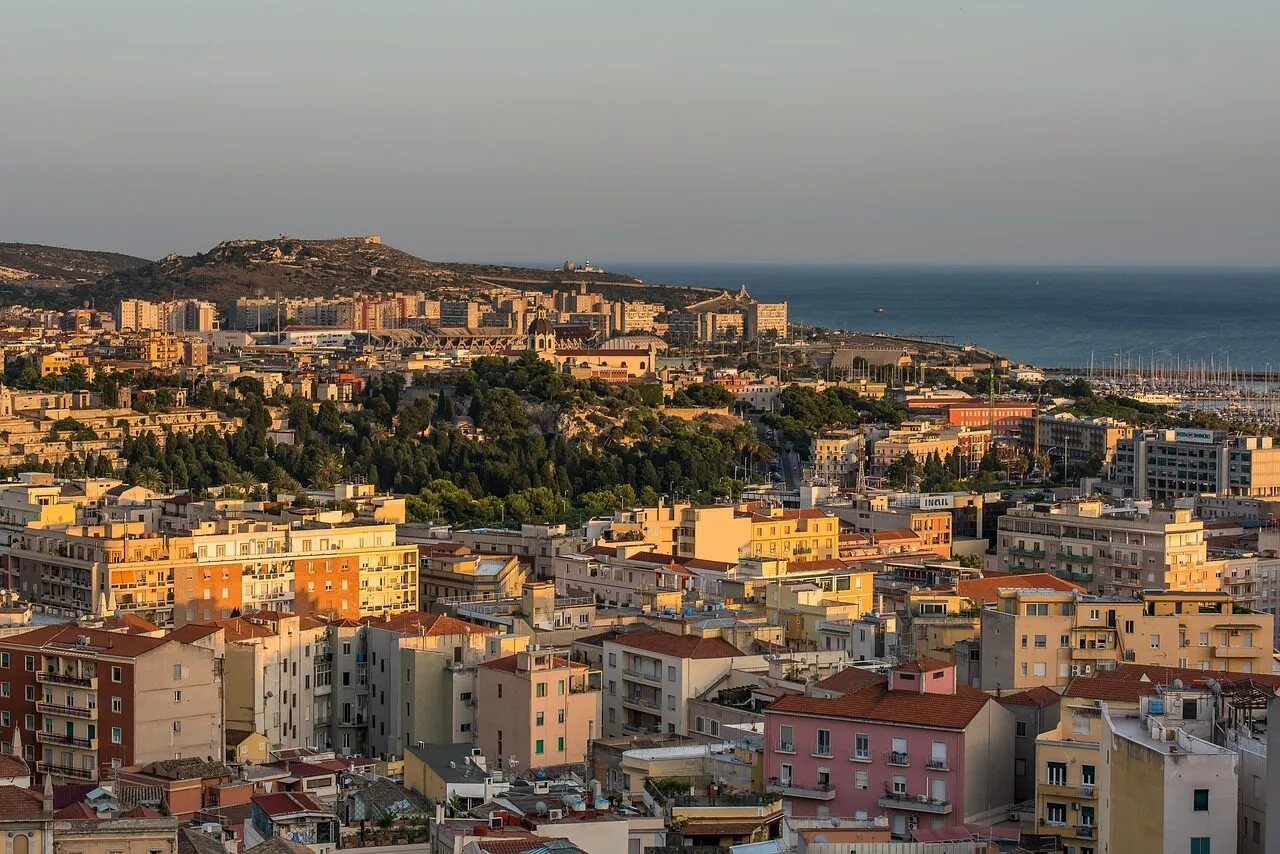
The south is the most accessible part of the island and the best place to combine a city with beaches. Cagliari is a real city, with a hilltop old town, the Castello district, a lively marina and a good food scene, and it is the base for the southern beaches. Villasimius, about an hour away, has Porto Giunco and a string of sandy bays, Chia to the west is another run of long beaches and dunes, and Costa Rei further east is quieter and cheaper.
The south-east coast, from Cagliari round to Villasimius and beyond, is the easiest place to swim in Sardinia without a booking or a hike, with plenty of sand, beach clubs and parking. It is also the best base for a first trip, because the airport is there and the beaches, the city and the day trips are all close. For a mix of town and sea, without the prices of the Costa Smeralda, the south is the pick.
The west and Alghero
The north-west is a different Sardinia again. Alghero is a handsome town with a walled historic centre and a Catalan heritage, with Spanish still spoken in the streets, and it has its own beaches and the famous Neptune’s Grotto, a sea cave reached by boat or by a long staircase down the cliff. South along the west coast, the beaches at Bosa and the coves of the Sinis peninsula are quieter and wilder than the east, and the surf is better on this side.
The west is also where the island’s history shows most, from the Catalan architecture of Alghero to the Nuraghe towers, the Bronze Age stone monuments scattered across the interior. It is the least visited coast, which is part of its appeal, and it suits anyone who wants to slow down and see the island beyond the beaches.
Food
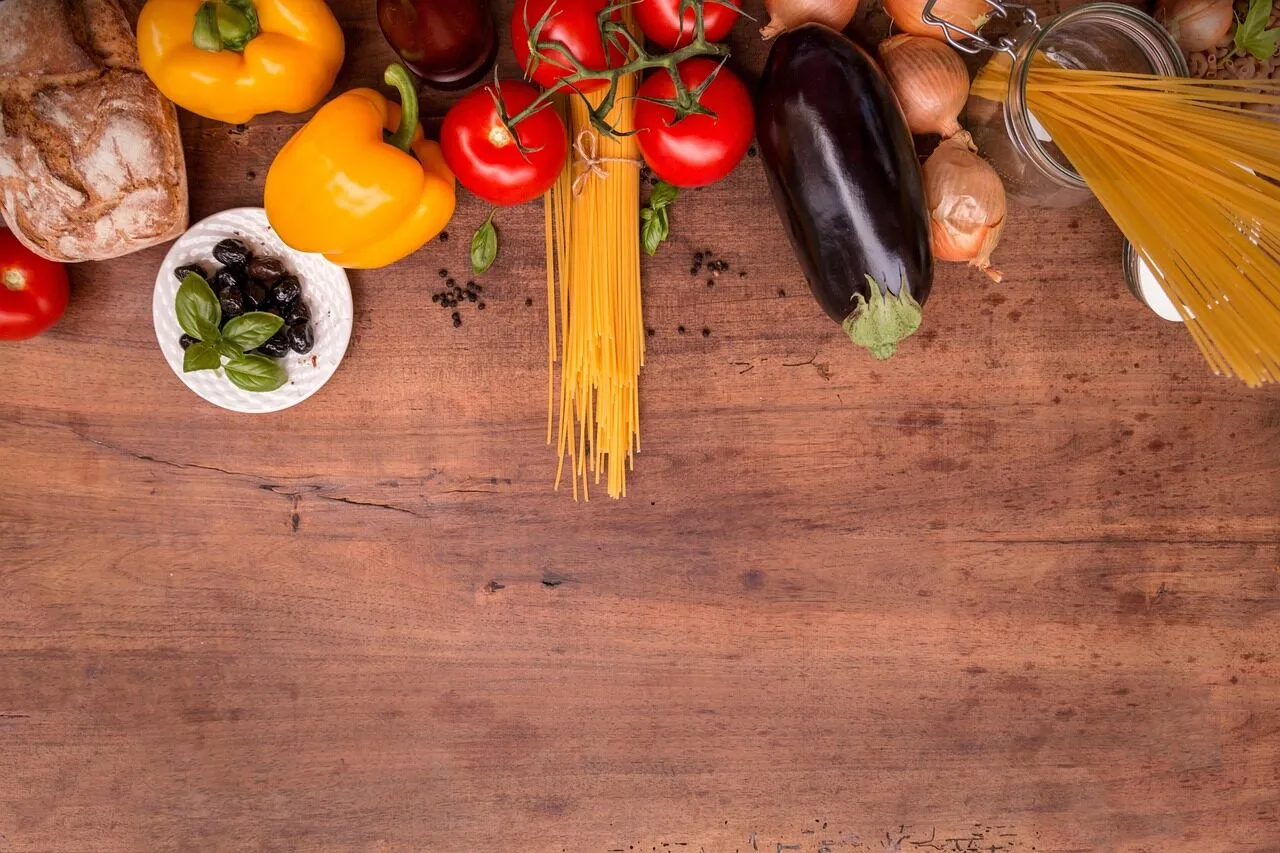
Sardinian food is its own thing, shaped by a pastoral, mountainous interior rather than the sea alone. Pecorino cheese is everywhere, in fresh and aged forms, and the island’s signature dish is porceddu, a whole suckling pig roasted slowly over the fire. The pasta is distinct too, with culurgiones, the plump filled pasta from the east, and the crisp flatbread pane carasau. On the coast, the seafood, the bottarga and the sea urchins are the things to order.
The drinks are as local: Cannonau, the full-bodied red, and Vermentino, the white, along with the mirto liqueur made from myrtle berries that ends the meal. The food is hearty and good value away from the resort coasts, and the interior towns and the agriturismi are where to eat it best. The national picture is in the Italian food guide.
Getting there
Sardinia has three airports: Cagliari in the south, Olbia in the north-east and Alghero in the north-west, all with direct flights from across Europe, and there are ferries from the mainland to Cagliari, Olbia and Porto Torres. Once there, a car is the practical way to see the beaches, because the good ones are spread along the coasts and the buses are thin away from the main towns. The island railway links the main towns, but it is slow and inland, and does not reach the coast.
Book the car early in summer, when prices rise sharply and the fleet sells out, and expect the coastal roads to be slow in August. For the coves with no road, the boats from Cala Gonone, Palau and the other harbours are the way in, and they book out in peak season. The two international gateways for a first trip are Cagliari for the south and Olbia for the north-east.
When to go
May, June and September are the best months, with warm days, warm water and far fewer people than the summer peak. June is the sweet spot for the beaches, with the sea warm enough to swim and the crowds not yet at their height, and September keeps the warm water after the schools return. Spring is also the season for the interior and the wildflowers, and autumn for the harvest and the food.
July and August are hot, crowded and expensive, when the famous beaches fill and the booking rules apply, so if you come then, book everything, the car, the boats and any beach access, well ahead. Winter is mild and quiet, good for the cities, the food and the nuraghi, but not for swimming. The month-by-month detail is in the best time to visit Italy guide.
Practical information
| Where to base | Olbia and the Costa Smeralda for the north-east, Cagliari for the south and the city, Alghero for the north-west, and Orosei or Cala Gonone for the east coast and the Gulf of Orosei. Pick one or two areas. |
|---|---|
| Getting around | A car is the practical way to reach the beaches; the island railway links the main towns but not the coast. Airports at Cagliari, Olbia and Alghero, plus ferries from the mainland. Book the car early in summer. |
| Beach booking | Cala Goloritze needs an online booking (7 EUR, capped at 250), Cala Coticcio on Caprera needs a guide and a 3 EUR fee, and La Pelosa at Stintino has a reservation system. Check the rules for the beaches you want in peak season. |
| Food | Pecorino, porceddu, culurgiones, pane carasau, bottarga and seafood, with Cannonau wine and mirto liqueur. |
| When to go | May, June and September for warm days and fewer crowds. July and August are hot, busy and expensive. Winter is mild and quiet but not for swimming. |
Disclosure. This blog post contains affiliate links. If you book through them, Mediterranean Vibes may earn a small commission at no extra cost to you; it is how the site stays up.