Lisbon rewards a plan more than most cities, because it is small but very steep, and the sights are spread across a handful of distinct quarters that each take about a day. The mistake is to treat the city as one list of highlights and spend the trip climbing between them; the better approach is to take it one district at a time, which is exactly how this itinerary is built. Three days covers the essentials, four adds the palaces of Sintra, and five adds the coast.
This guide sets out day-by-day plans for three, four and five days, with the tram, metro and monument fares checked against the 2026 Carris and heritage prices. It is the planning companion to the Lisbon guide, which covers the sights themselves in full, and it fits the wider country through the Portugal itinerary. If you are deciding between the two cities, the Porto guide is the other half of the trip.
Plan and book
3 partners- Flights
Fly into Lisbon (LIS), minutes from the centre on the metro red line. Compare routes.
Search flights - Trains
Add Porto on the Alfa Pendular in under three hours, and Sintra on the suburban line.
Compare trains - Where to sleep
Baixa, Chiado, Alfama and the riverside, sorted by area, price and review score.
Find a room
How many days
Three days is the minimum that does Lisbon justice, and it maps onto three quarters: Belem, the Baixa and Chiado, and Alfama. Four days adds the Sintra day trip, which is a full day and one of the best things you can do from the city. Five days adds Cascais and the coast, or lets you slow the three core days down and spend longer in the viewpoints and the markets.
The structural rule is one district a day, because crossing the city to chase a single sight is what makes Lisbon exhausting. The hills are the other thing to plan around: Alfama, the castle and Bairro Alto all climb steeply, so put the uphill quarters in the morning and the flat riverfront in the afternoon, and use the trams and the funiculars rather than fighting the slopes. If you only have a long weekend, the three day plan is the one to follow.
Getting around
Lisbon’s transport is cheap and mostly reliable, and the fares matter because you will use it every day. A single metro or tram ride is 1.90 EUR with a prepaid Viva Viagem card, and 3.30 EUR if you buy it on board, so load a card rather than paying the driver. The 24 hour pass at 7.25 EUR covers the metro, buses and trams and is the easy option for a short trip, and the Lisboa Card at 31 EUR for 24 hours adds free entry to the big Belem monuments and the castle as well as the train to Sintra.
The two rides worth knowing are tram 15E and tram 28. Tram 15E runs from the centre out to Belem in about 25 minutes, which is the simplest way to reach the Age of Discoveries monuments. Tram 28 is the famous one, threading through Alfama, Baixa and Chiado, but it is packed and a pickpocket target between mid-morning and late afternoon, so ride it early or late and keep your bag in front of you. The Elevador da Bica and the Gloria funicular are the other classic rides, short and steep, and both are covered by the transport pass.

3 days in Lisbon
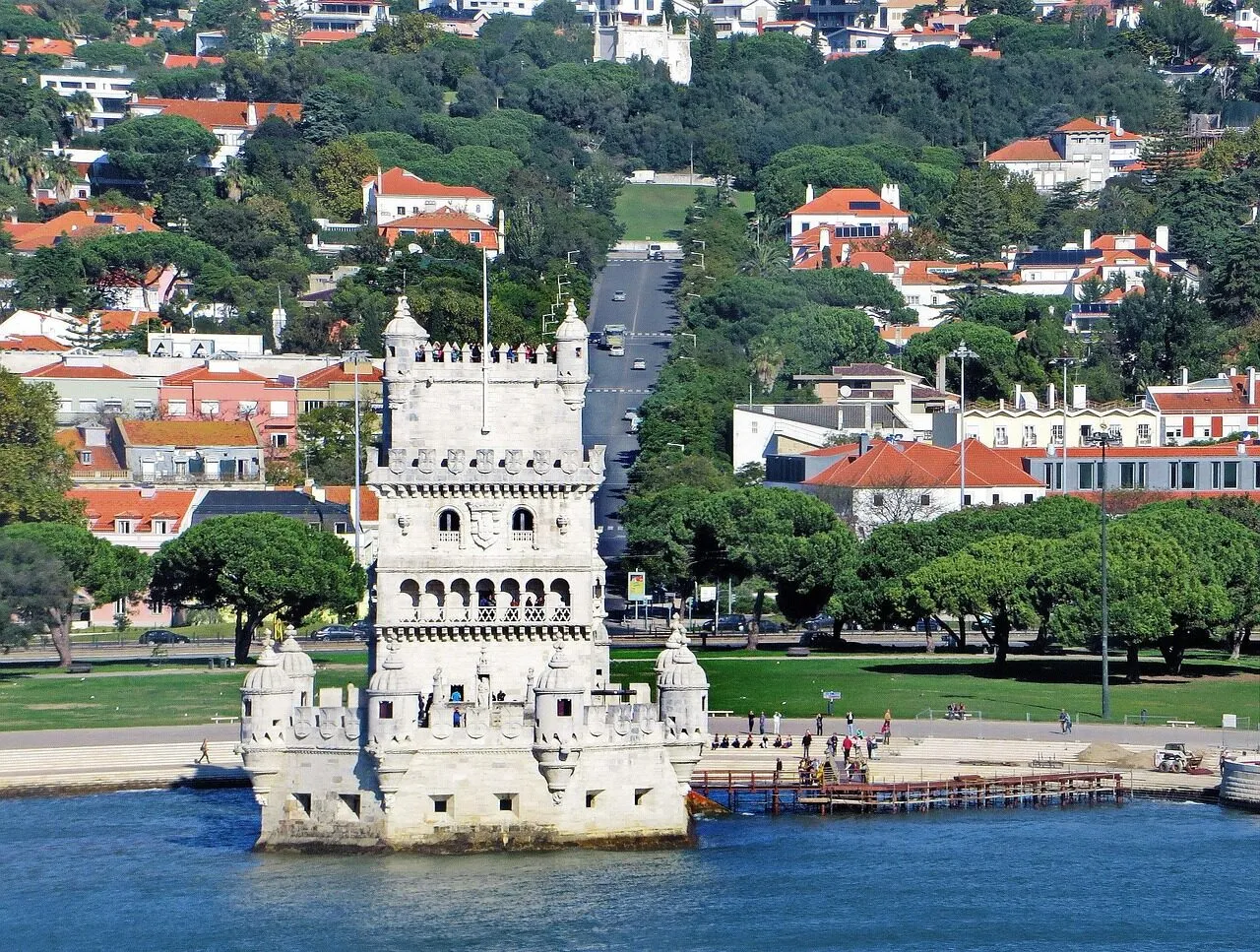
Day one is Belem, the district of the Age of Discoveries, a short tram ride west of the centre. Start at the Jeronimos Monastery and its Manueline cloisters, book the timed entry ahead, then walk to the Belem Tower on the river and the Monument to the Discoveries. Finish with a pastel de nata from the original bakery and, if there is time, the Berardo and MAAT museums or the LX Factory creative quarter under the bridge. It is a full day and an easy one, mostly flat along the water.
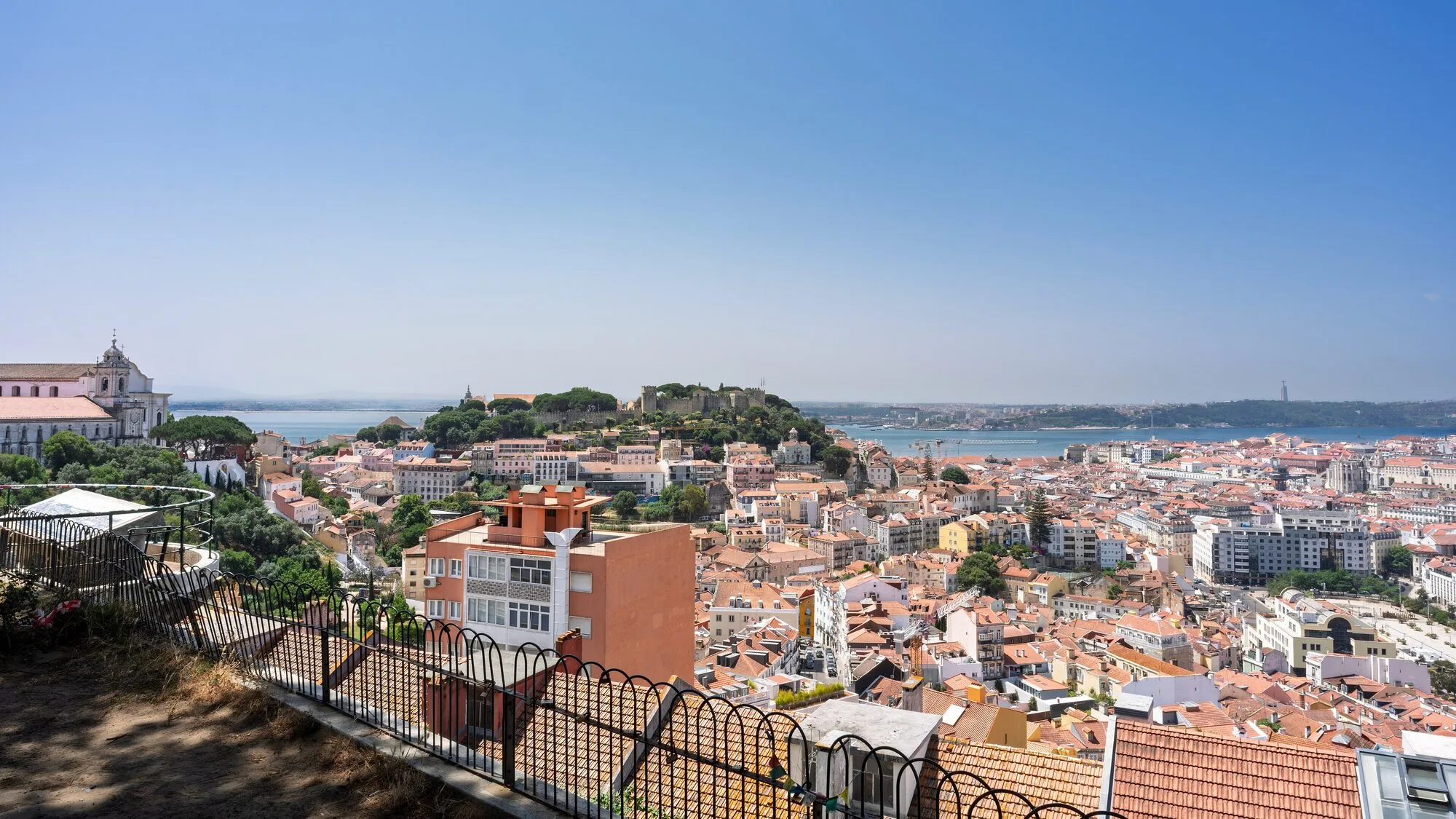
Day two is the centre: the Baixa grid from the Praça do Comercio up through Rossio, then the higher Chiado and Bairro Alto. Climb the Santa Justa lift or the Carmo Convent ruins, browse the shops of Chiado, and end at the Time Out Market at Cais do Sodre or one of the traditional restaurants. Day three is Alfama, the oldest quarter, which survived the 1755 earthquake. Ride tram 28 or walk up to the Castelo de Sao Jorge for the view, wander the medieval lanes, stop at the Miradouro de Santa Luzia, and finish with a fado night in one of the small houses. The detailed version of each sight is in the Lisbon guide.
4 days in Lisbon
The fourth day belongs to Sintra. Take the train from Rossio, about 40 minutes, and give the palaces a full day: the Pena Palace on its ridge, the Quinta da Regaleira and its Initiation Well, and the Moorish Castle or the Monserrate gardens if time allows. Book the Pena Palace and Regaleira timed entries ahead, because they sell out daily, and go early to be ahead of the coaches. If Sintra weather turns, the National Palace in the town is the indoor fallback.
If you would rather stay in the city, the fourth day can instead deepen the three core days: the Gulbenkian museum and its gardens, the tile museum, the Feira da Ladra flea market on a Sunday or Tuesday, and a slower evening in Mouraria or Principe Real. Either way, the fourth day is where Lisbon stops being a checklist and starts being a place you would come back to.
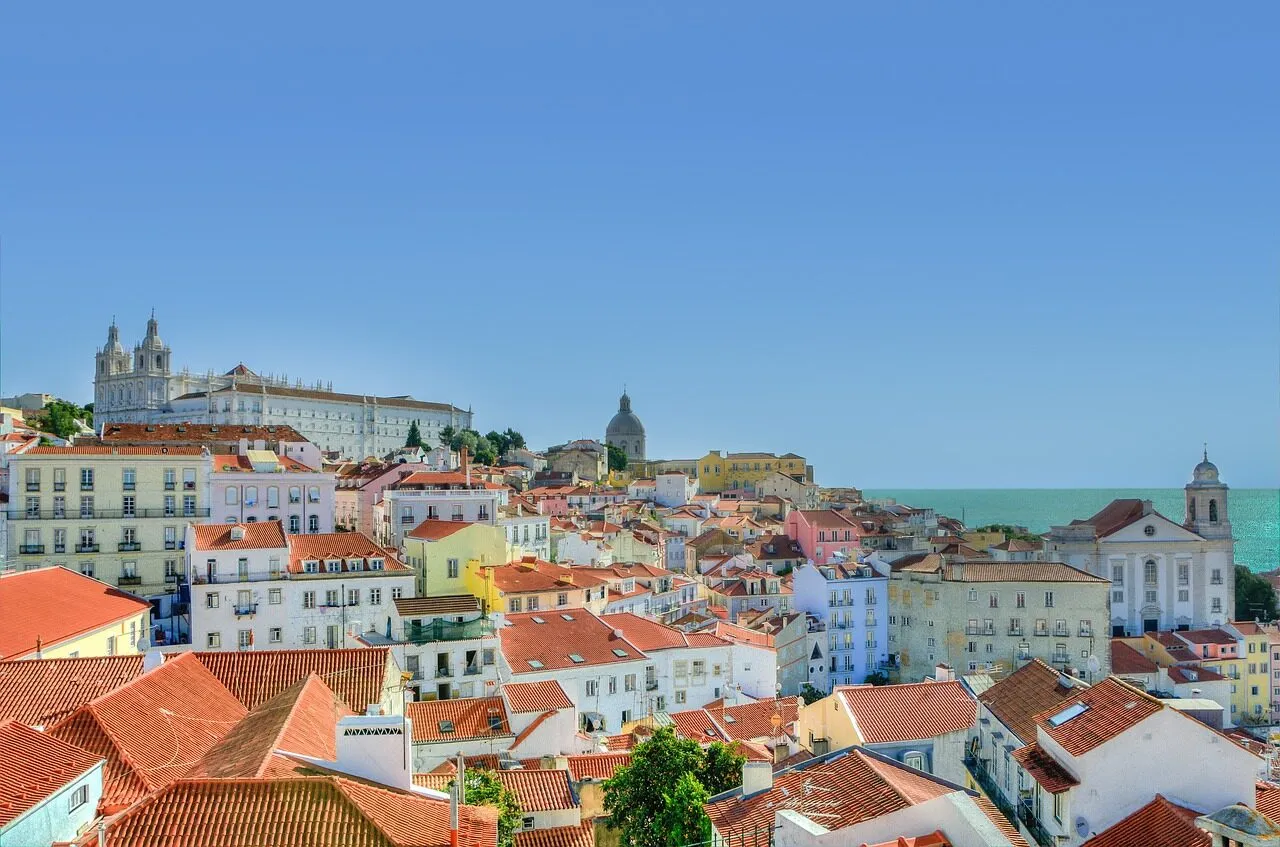
5 days in Lisbon
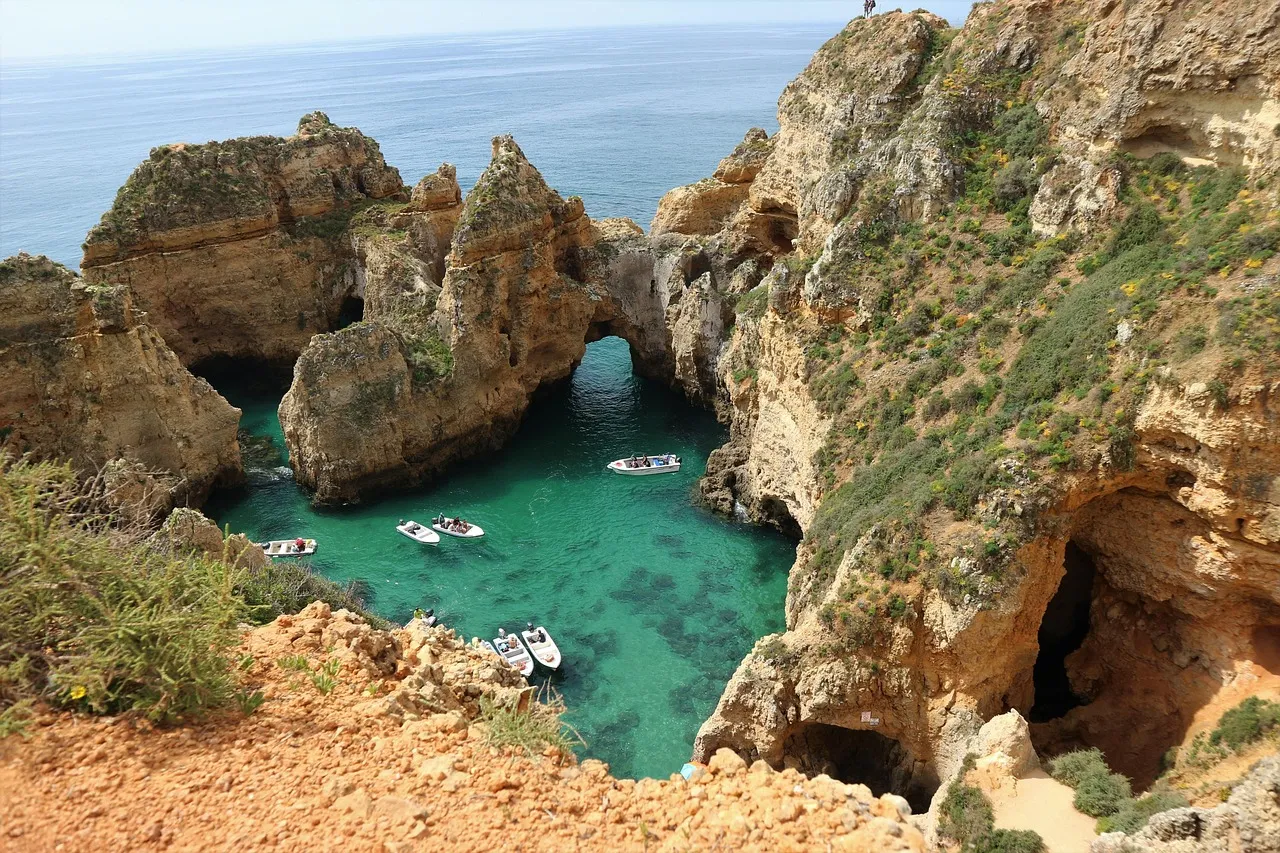
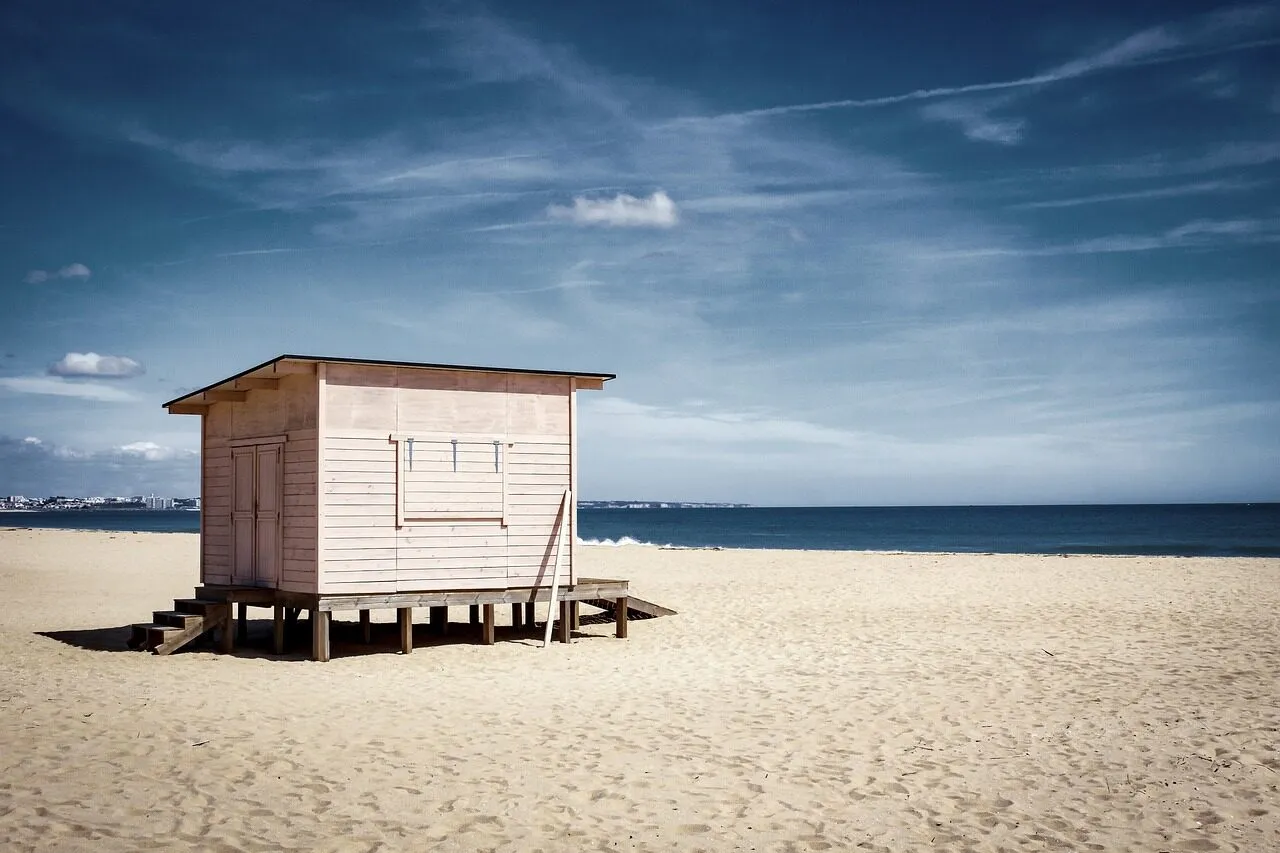
The fifth day is the coast. Take the train from Cais do Sodre to Cascais, about 40 minutes, and spend the day between the beaches, the bay and the Boca do Inferno cliffs, with the option of stopping at Estoril on the way back. It is a slower day after the city, and Cascais is small enough to walk. The Arrabida coast south of the river, with its turquoise coves, is the more adventurous alternative if you have a car.
With five days you can also spread the three core days out and add the pieces a short trip skips: the National Tile Museum, the Thieves’ Market, a day around the Parque das Nacoes and the Oceanarium, or a long lunch in the fishing quarter of Alcântara. Five days is enough to do Lisbon without hurrying, and it leaves room for the day trips that make the trip feel like more than a city break.
Where to stay
Where you sleep shapes the trip, and Lisbon has four honest choices. The Baixa and Chiado are the flat, central, convenient option, close to the river, the shops and the transport, and the best pick for a first visit. Alfama and Mouraria are the atmospheric choice, medieval lanes and fado, but very steep and quiet at night. Bairro Alto and Cais do Sodre are for nightlife, which means noise, and the riverside around Cais do Sodre is the mid-range favourite. Cascais and Estoril, on the coast, are the beach base with a train line back into the city.
The trade off is hills against buzz. Staying in Baixa or Chiado means everything is walkable and the evenings are easy; staying in Alfama means the views are on your doorstep but every return is uphill. Wherever you base, check whether the building has a lift, because many of the best old buildings do not, and the walk to a fourth-floor room in a hilly quarter is its own workout.
When to go
April to June and September to October give the best mix of warm weather and manageable crowds. July and August are hot, around 28 to 30 C, and the busiest, which makes the hills hardest and the trams fullest. Winter is mild and cheap, with rain and shorter days, and it suits a city-first trip rather than a beach one. The light in Lisbon is famously good in autumn, and the crowds thin from mid-September.
Whatever the month, book the big monuments and the Sintra palaces ahead, because the timed entries sell out, and go early for the popular sights. If your dates are flexible, the shoulder months give you the same city with less friction, and the month-by-month detail is in the best time to visit Portugal guide.
What a day costs
Excluding flights and accommodation, a comfortable day in Lisbon runs about 95 to 130 EUR per person. The city is one of the cheapest in Western Europe for food and transport, and the day-to-day is easy to keep low. A typical day breaks down like this.
| Transport | Single metro or tram 1.90 EUR prepaid, 24 hour pass 7.25 EUR, Lisboa Card 31 EUR including the Belem monuments and the Sintra train. |
|---|---|
| Sights | Castelo de Sao Jorge 17 EUR, Belem Tower 15 EUR, Jeronimos Monastery about 18 EUR, Sintra palaces 15 to 20 EUR each. Book ahead. |
| Food | A pastel de nata and coffee for a few euros, a lunch special or bifana for 8 to 12 EUR, and a dinner with wine for 20 to 35 EUR a head. |
| Extras | A fado night with a drink from 20 EUR, a tram ride 1.90 EUR, and the Time Out Market for a grazing lunch. |
These are planning estimates built from the fares cited in this guide, not an official index. The biggest saving is to eat at lunchtime, when the fixed menus are the best value in town, and to use the transport pass rather than single tickets.
Practical information
| How many days | 3 for the essentials, 4 with Sintra, 5 with the coast. One district a day keeps the hills and the travel in check. |
|---|---|
| Getting around | Metro, tram and bus on a 1.90 EUR prepaid single or a 7.25 EUR 24 hour pass. Tram 15E for Belem, tram 28 for Alfama, the funiculars for the hills. Expect steep cobbles; wear good shoes. |
| When to go | April to June and September to October are best. July and August are hot and busy. Winter is mild and cheap but rainier. |
| Booking | Book the Belem monuments and the Sintra palaces ahead, ride tram 28 early or late, and watch for pickpockets on the trams and in the busy squares. |
| Safety | Lisbon is safe for normal travel. The main issue is petty theft on the trams and in crowded squares, so keep valuables zipped and your bag in front of you. |
Disclosure. This blog post contains affiliate links. If you book through them, Mediterranean Vibes may earn a small commission at no extra cost to you; it is how the site stays up.