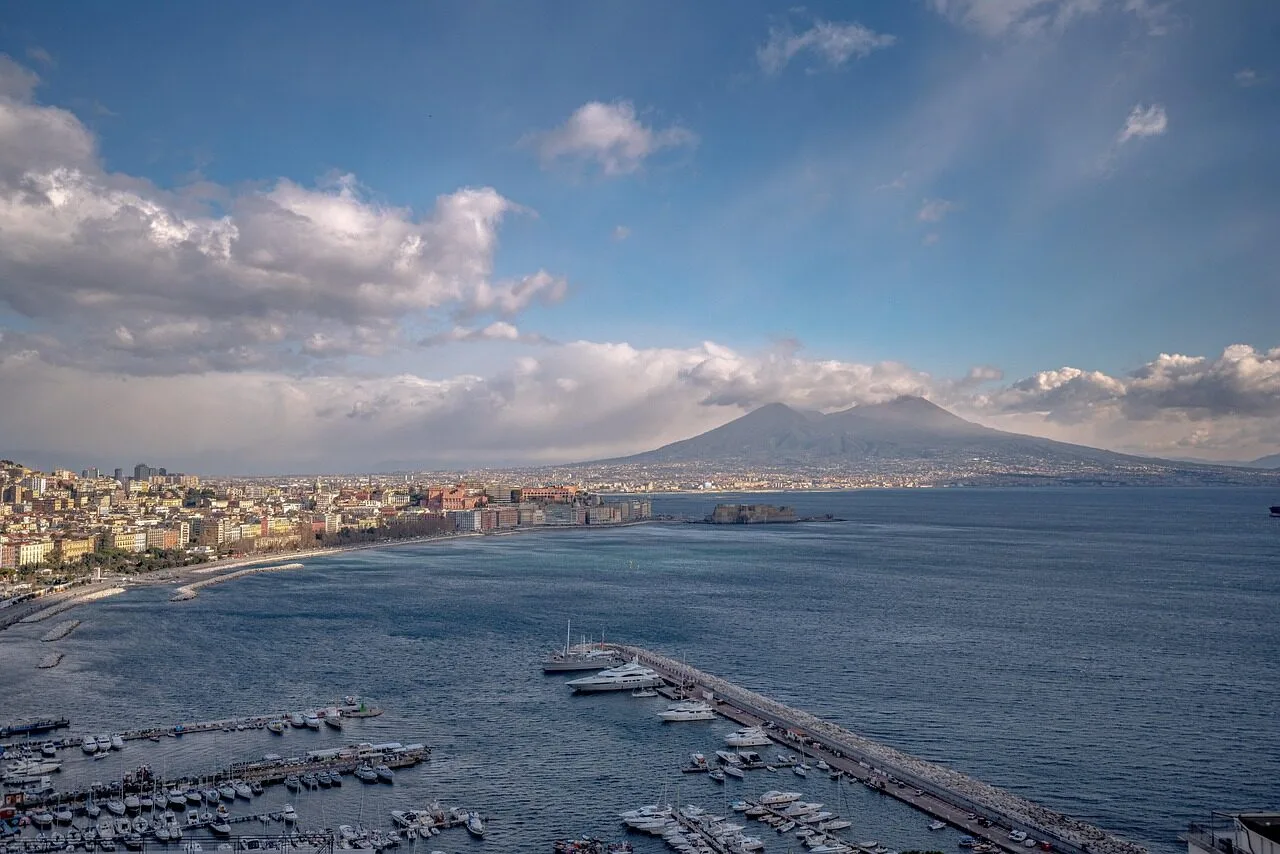
Naples is the loudest, densest and most alive city in Italy, a place of narrow lanes, laundry strung between buildings, football shrines and the best street food in the country, sitting on a bay under a volcano. It is also the gateway to the greatest archaeology in the Mediterranean: Pompeii and Herculaneum, buried by Vesuvius in AD 79, and the mountain that did it, still smoking over the city. Few places pack so much into one bay.
It is a city people either love on arrival or take a day to warm to, and the food and the archaeology are the surest way in. This guide covers Naples itself, the ruins and the volcano, the museum that holds the finds, and the day trips to Capri and the Amalfi Coast, with the tickets and the transport checked for 2026. It slots into the wider country through the Italy itinerary, and connects to the coast in the Amalfi Coast guide.
Plan and book
3 partners- Flights
Fly into Naples (NAP) for the city, Pompeii and the coast. Compare routes.
Search flights - Trains
Reach Naples from Rome in about 1h 10 on the high-speed line, from around 15 EUR.
Compare trains - Where to sleep
Rooms in the historic centre, the waterfront and the smarter Chiaia and Vomero districts.
Find a room
Naples
Naples rewards walking. The historic centre is UNESCO-listed, a grid of narrow streets around Spaccanapoli, the straight lane that cuts the old city in two, lined with churches, workshops, shrines and food. The cathedral, the Duomo, is here, and so is the Cappella Sansevero, which holds the Veiled Christ, a marble sculpture so fine the veil looks transparent. Above the city, the Certosa di San Martino and the Castel Sant’Elmo give the view over the bay and Vesuvius.
On the waterfront, Piazza del Plebiscito is the grand public square, with the royal palace and the Teatro San Carlo, and the Castel dell’Ovo sits on its own island in the bay. To the west, the Posillipo hill and the Mergellina seafront are the elegant side of the city, and to the east the port and the station are the practical side. Give Naples two days at least: one for the centre, one for the museum and the waterfront, and let the food fill the evenings.
Pompeii
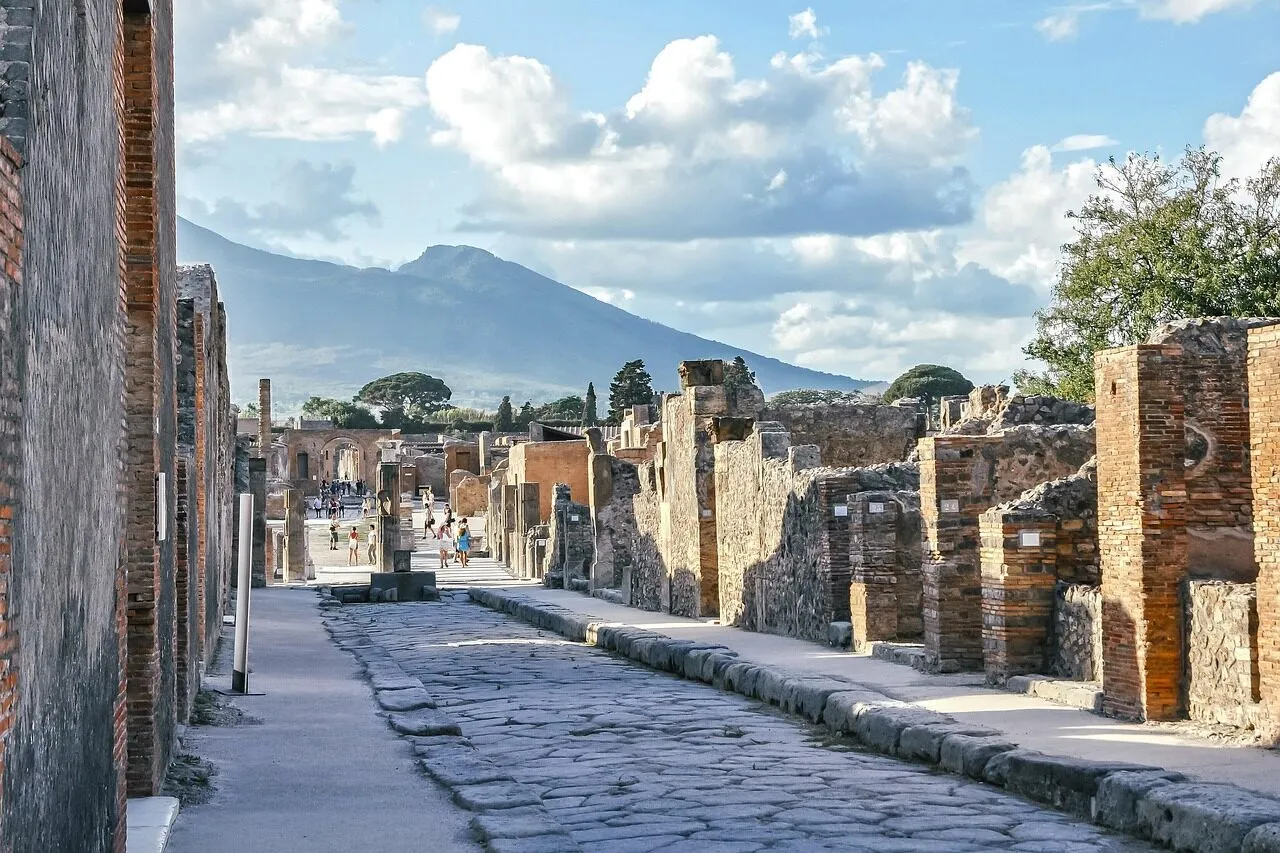
Pompeii is the reason most people come to this bay, and it deserves a full day. The Roman city was buried by Vesuvius in AD 79 and preserved in ash, so the streets, the houses, the bakeries, the baths, the brothels and the frescoes are all still there, and you walk through them on Roman paving. The standard ticket is 20 EUR, or 25 EUR with the outlying villas, booked through the official Vivaticket seller, and from 1 March 2026 entry runs in two time slots, the morning from 09:00 to before 13:00 and the afternoon from 13:00 to before 17:30.
The site is huge, about 66 hectares, and the summer sun is relentless, so go early, carry water, and pick the buildings you most want to see rather than trying to cover it all. The Forum, the House of the Vettii with its frescoes, the House of the Faun, the Stabian Baths and the amphitheatre are the highlights. The Circumvesuviana train from Naples takes about 35 minutes to Pompei Scavi, and the station is at the main entrance, which makes it an easy day trip without a car.
Vesuvius and Herculaneum
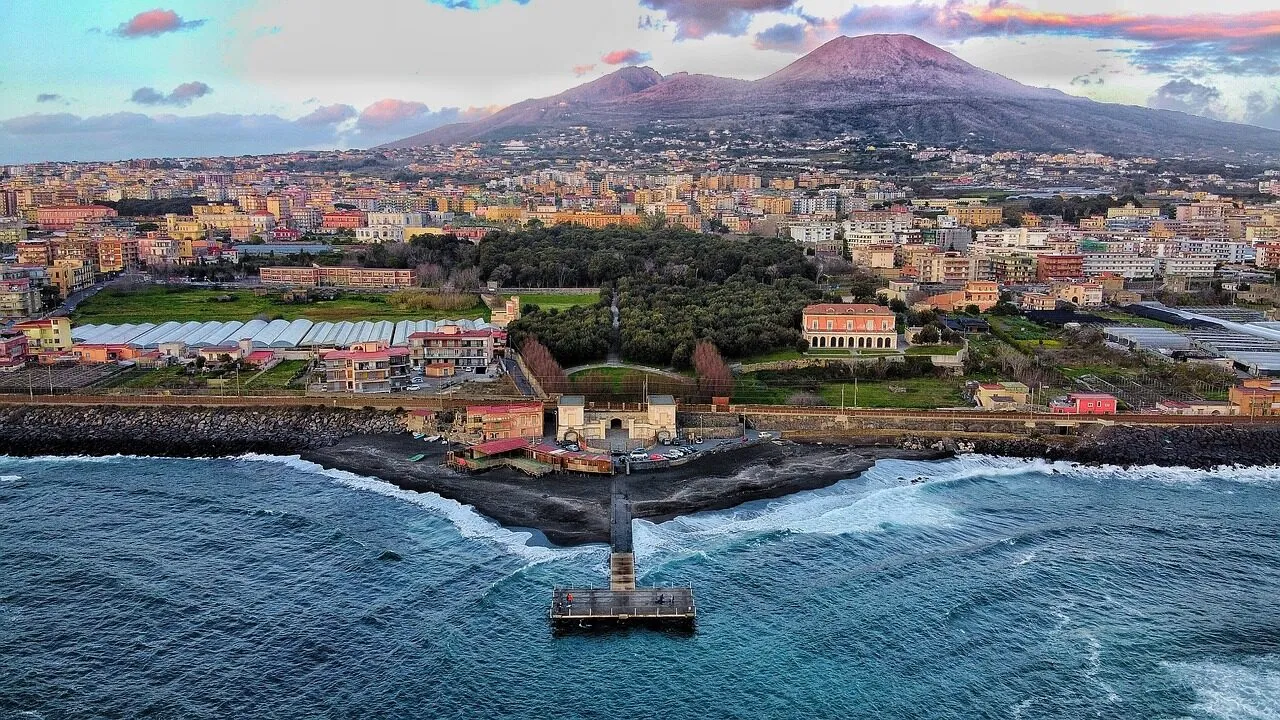
Mount Vesuvius is the other half of the story, and you can stand on the rim of the crater that destroyed the cities below. Visiting is now by pre-booked ticket only, and the practical route is the Vesuvio Express bus from Ercolano, about 14 EUR return, which runs from 09:00 to 13:30 and takes you most of the way up, leaving a 20 to 30 minute uphill walk to the crater. There are no toilets after the gate and the signal is poor, so book the ticket before you go and treat the volcano as a morning trip.
Herculaneum, at Ercolano, is the quieter and in some ways better-preserved of the two buried towns, smaller and richer, with the wooden beams, the furniture and the mosaics often more intact than at Pompeii. It is a few stops closer on the Circumvesuviana and its ticket is about 16 EUR, and it pairs naturally with the volcano in the same day. Many people find that Pompeii, Herculaneum and Vesuvius together are too much for one visit, so pick two and do them properly.
The National Museum
The National Archaeological Museum in Naples, the MANN, is where the treasures of Pompeii and Herculaneum ended up, and it is the essential companion to the ruins. The mosaics, the frescoes, the sculpture and the everyday objects taken from the buried towns are here, along with the Farnese collection and the Secret Cabinet, and seeing the art and the household goods in the museum makes the empty houses at Pompeii come alive. Give it half a day, and go either before or after the ruins, not instead of them.
The museum is a short walk from the historic centre and the station, and it is one of the best archaeology museums in Europe. If you are short on time in Naples, the museum plus Pompeii is the essential pair, and the rest of the city is the bonus.
Food
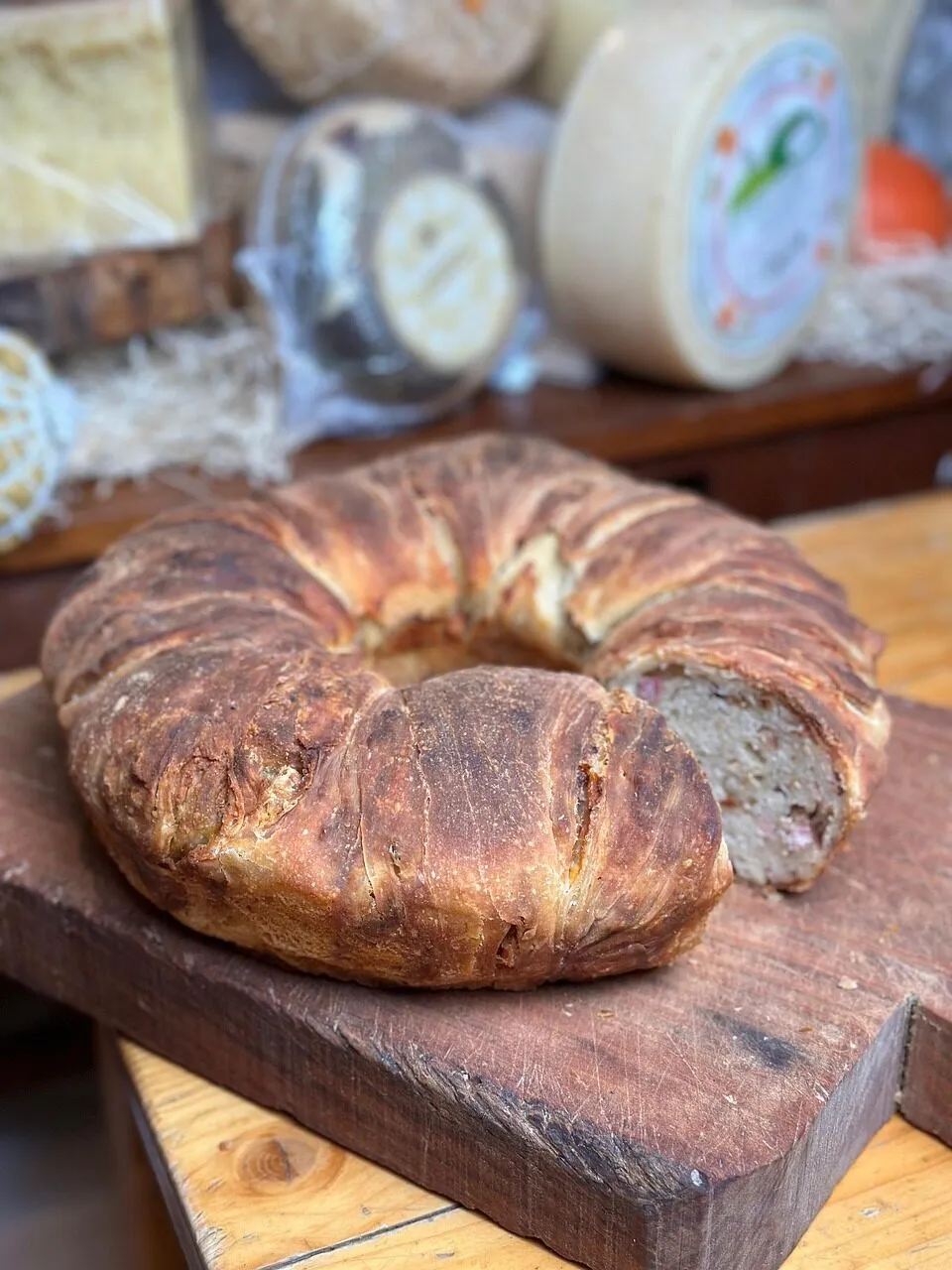
Naples is the pizza capital of the world, and a margherita from one of the historic pizzerias is the first thing to eat, followed by a marinara, a fritti platter, or the pasta and the seafood of the Campanian coast. The classic pizzerias are the reason people queue, but the city eats well everywhere, from the fried-food stalls to the trattorias of the centre. The pastries are the other draw: sfogliatella, the flaky shell, and baba, soaked in rum syrup, with a strong espresso.
The food is cheap by Italian standards and best eaten standing up or at a plain table, and the markets and the street stalls are where to find it. Combine a food morning in the centre with the museum and the archaeology, and Naples becomes less about the sights and more about the day. The national picture is in the Italian food guide.
Day trips
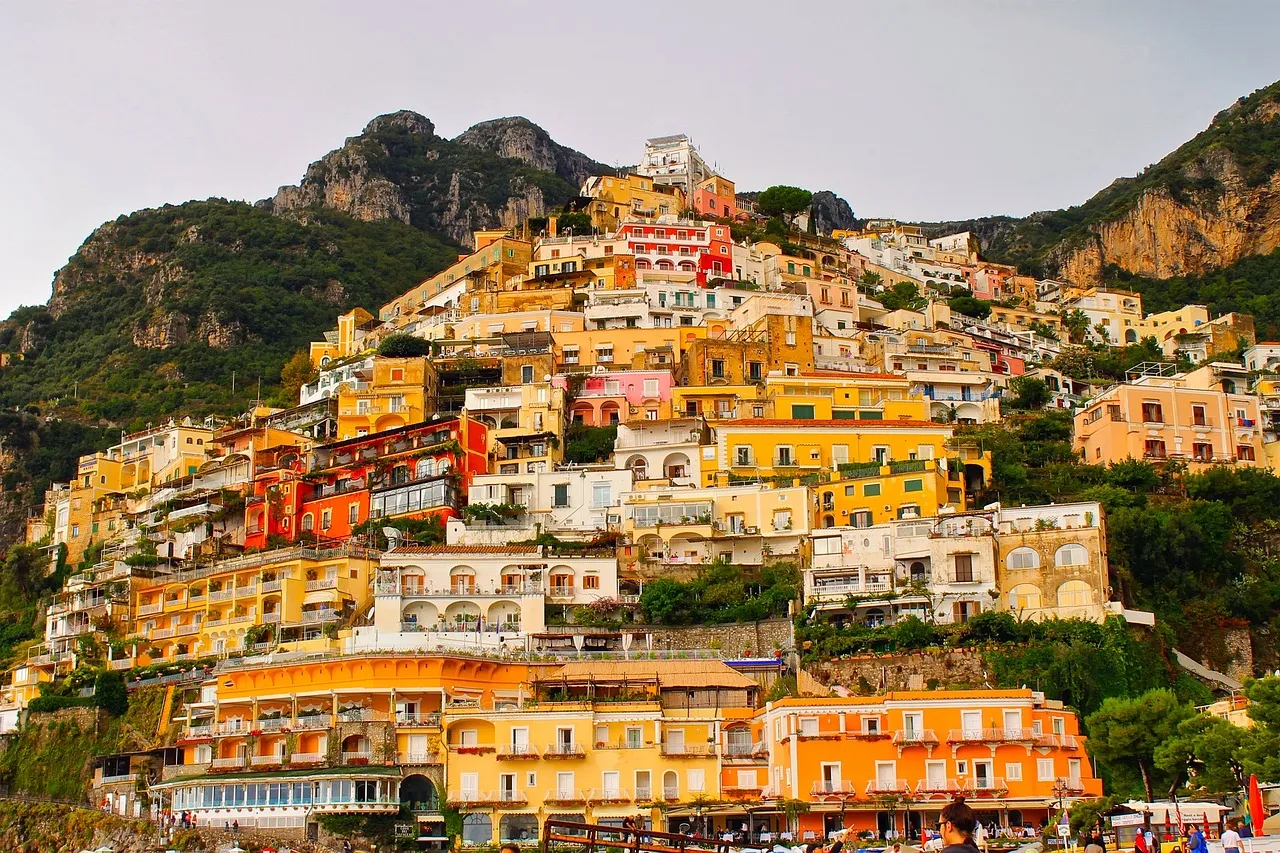
Naples is the base for the best day trips in Italy. Capri is a ferry away from the port, with the Blue Grotto, the Faraglioni rocks and the gardens of Augustus, and it is busiest in summer, so go early. The Amalfi Coast is reached by ferry to Sorrento, Positano or Amalfi, or by the Circumvesuviana to Sorrento and then the coast bus, and the Amalfi Coast guide covers the routes. Sorrento itself is an easy train ride and a pleasant half day.
Inland, the royal palace at Caserta is a short train away, and the Roman amphitheatre at Capua and the caves of the Phlegraean Fields are other options. Between the ruins, the volcano, the museum, the islands and the coast, Naples has more within an hour than most cities have in a week, which is why it works as a base rather than just a stop.
Getting there
Naples is on the high-speed rail line, about 1h 10 from Rome and about 3h from Florence, and its airport, Capodichino, is a short bus or taxi ride from the centre. The Circumvesuviana, the local railway, is the line for Pompeii, Herculaneum and Sorrento, running from the Garibaldi station under the main station, and it is cheap but often crowded. Ferries leave from the port for Capri, Ischia, Sorrento and the Amalfi Coast.
The one thing to know is that the Circumvesuviana is not a high-speed line: it is a commuter train, slow and full, and it is also the pickpocket route, so keep your belongings close. For Pompeii and Herculaneum it is still the easiest way, and for the coast the ferry is faster and prettier where it runs.
When to go
April to June and September to October are the best months, with warm days and manageable crowds. May and June are the sweet spot for the city and the ruins, and September and October keep the coast warm after the summer. July and August are hot and busy, and Pompeii in particular is exposed and shadeless, so go early, carry water and a hat, and expect the ferries and the sites to be at their fullest.
Winter is mild and quiet, good for the city, the museums and the food, with cheaper prices and shorter queues, and the archaeology is far more pleasant without the summer heat. The one constant is the exposure at Pompeii and on Vesuvius, so whatever the month, start early. The month-by-month detail is in the best time to visit Italy guide.
Practical information
| Naples to Pompeii | Circumvesuviana train from Napoli Centrale to Pompei Scavi, about 35 minutes, around 3.60 EUR, station at the main entrance. Herculaneum is closer, at Ercolano Scavi. |
|---|---|
| Tickets | Pompeii 20 EUR (25 EUR with the villas), Vivaticket, two time slots from March 2026. Herculaneum about 16 EUR. Vesuvius pre-booked only, with the Vesuvio Express bus about 14 EUR return, mornings only. |
| The museum | The National Archaeological Museum (MANN) holds the finds from Pompeii and Herculaneum; half a day, and the essential companion to the ruins. |
| Day trips | Capri and the Amalfi Coast by ferry, Sorrento by train, Caserta and the Phlegraean Fields inland. Book the ferries ahead in summer. |
| When to go | April to June and September to October. July and August are hot and busy, and Pompeii is shadeless, so go early. Winter is mild and quiet. |
Disclosure. This blog post contains affiliate links. If you book through them, Mediterranean Vibes may earn a small commission at no extra cost to you; it is how the site stays up.