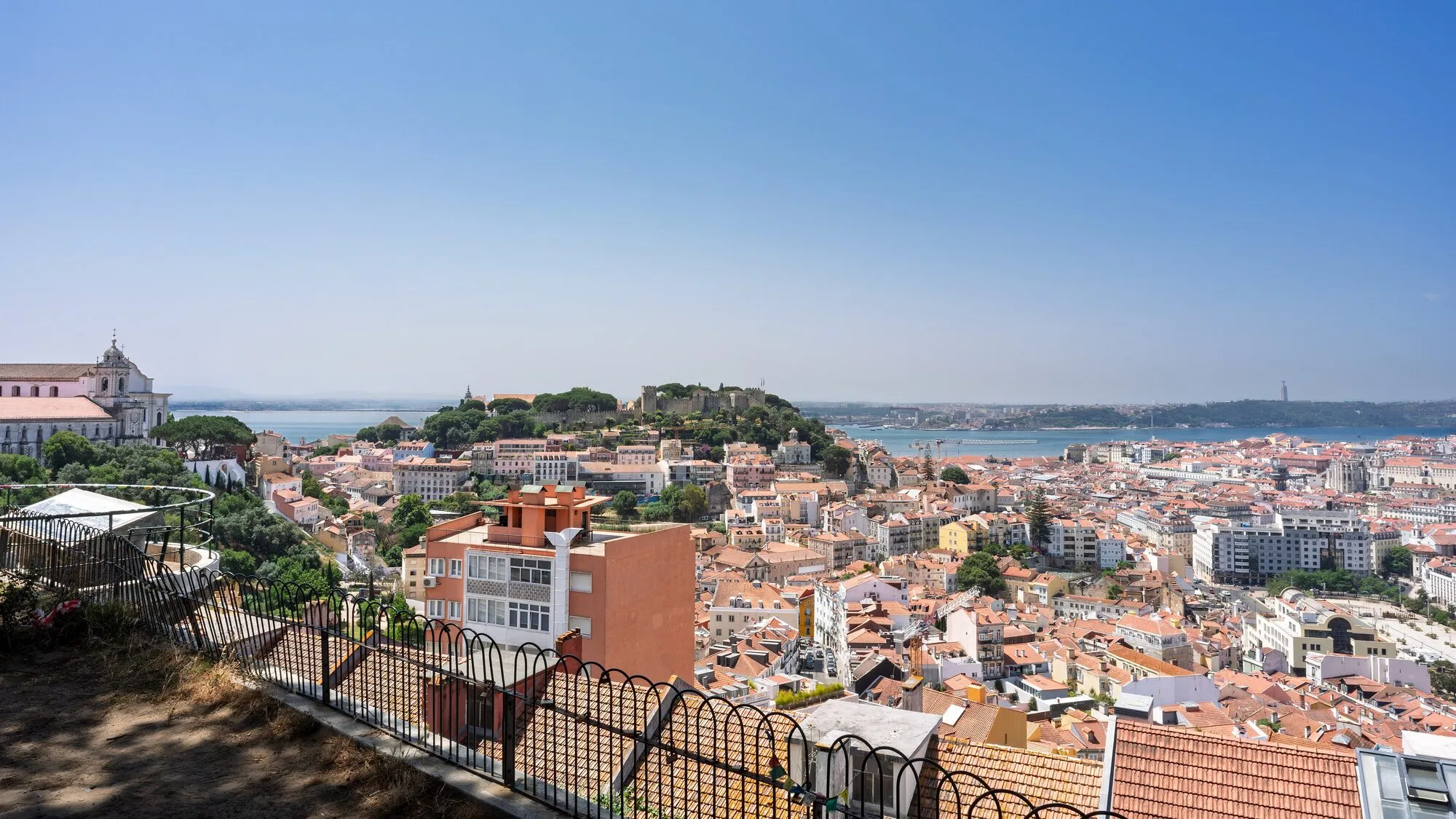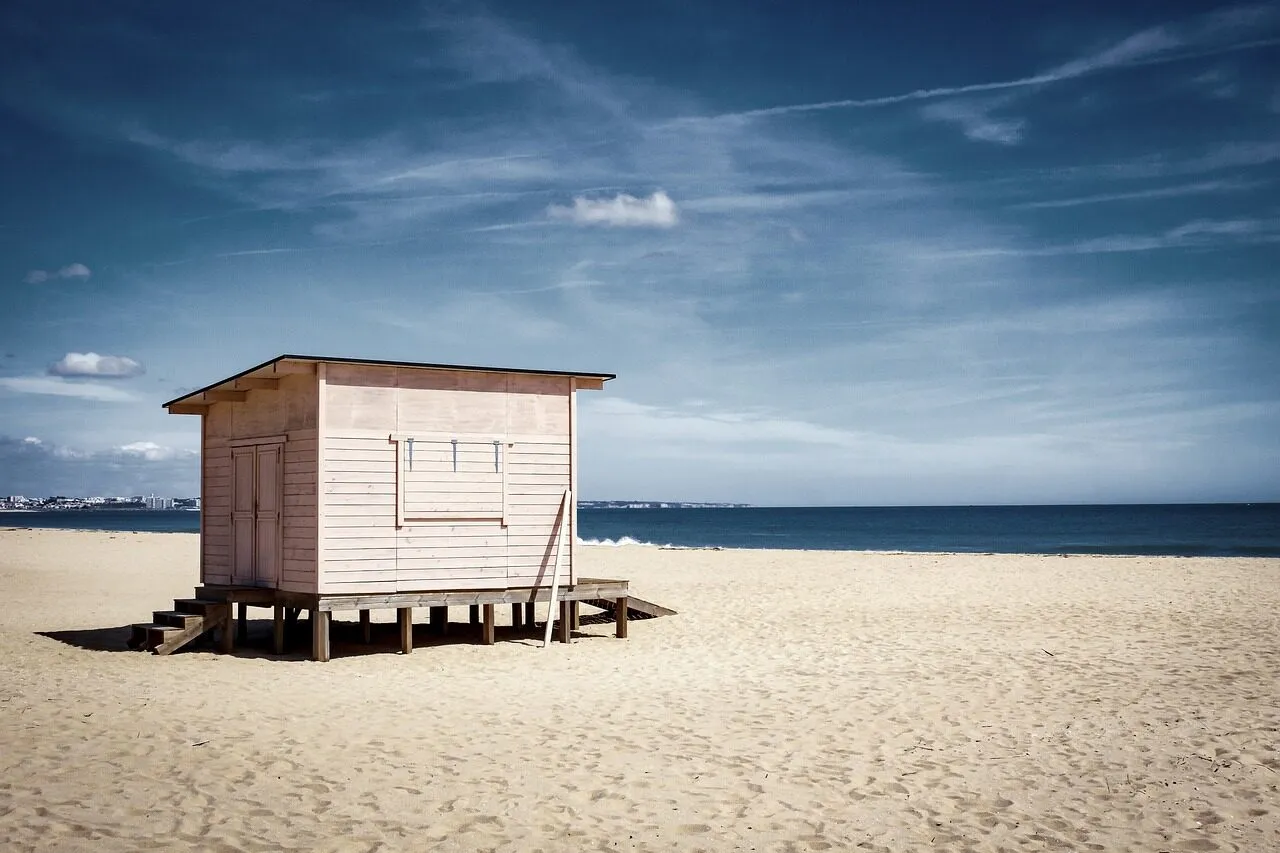
Portugal is small, cheap by Western European standards, and unusually well connected by train, which makes it one of the easiest countries to plan a first trip around. The shape of the country is simple: Lisbon in the middle on the Tagus, Porto up north on the Douro, the Algarve along the southern coast, and the Atlantic islands of Madeira and the Azores a short flight offshore. Almost every good itinerary is a variation on moving between those four.
This guide sets out four ready-made routes for five, seven, ten and fourteen days, all built around the trains that make the country easy without a car, plus the option to turn the two-week version into a road trip. It covers how the trains and airports work and what they cost, where to base yourself, and the best months to come. Every fare and journey time is checked against the operator for 2026. The city and region guides go deeper: start with Lisbon and Porto, and the Portugal country guide has the background.
Plan and book
3 partners- Flights
Most trips start in Lisbon or Porto, and Madeira is a short hop from either. Compare routes.
Search flights - Trains
The Lisbon to Porto Alfa Pendular is the country’s best train ride, from about 10 EUR booked ahead.
Compare trains - Where to sleep
Rooms and apartments in Lisbon, Porto, the Algarve and Madeira, by area and price.
Find a room
How many days
Five days is the minimum for a real trip, and it belongs to Lisbon and Sintra. Seven days lets you add a second base, either Porto in the north or the Algarve in the south, without the pace turning frantic. Ten days is the sweet spot for a first visit, because it fits Lisbon, Porto and one of the coast or the islands. Fourteen days is where the trip relaxes, adding the Douro Valley, the Alentejo and Evora, or a second island such as the Azores.
The one structural rule is not to zigzag. Portugal looks small on the map, but Lisbon, Porto and the Algarve form a north to south line of about six hours end to end, so a route that moves in one direction costs far less time than one that bounces back to Lisbon between stops. Pick your entry and exit points to match the line, flying into Lisbon and out of Porto, or the reverse, and the trip falls into place. The temptation to add Madeira to a short trip is the classic mistake; it is a flight and a day on each side, so it earns its place only from about ten days.
Getting around
Portugal’s trains are the secret of an easy trip. The Alfa Pendular between Lisbon and Porto covers the 330 km in about 2h 40m, with advance fares from roughly 10 to 16 EUR and trains roughly every hour from early morning to late evening. It is the most pleasant intercity train in the country, with reserved seats and a cafe car, and the cheaper Intercidades runs the same route in about 3h 20m. South, Lisbon to Faro takes about 2h 50m to 4h, and Lisbon to Lagos about 3h 40m with a change at Tunes, which puts the Algarve on the rail network too. Book the Alfa Pendular in advance for the best fares, especially in summer.
Lisbon and Porto airports are both quick to the centre. Lisbon’s metro red line reaches the city in 20 to 25 minutes for 1.90 EUR plus a 0.50 EUR Navegante card, and the 24 hour pass at 7.25 EUR covers metro, buses and trams. Porto’s metro Line E does the same in 25 to 30 minutes for 2.30 EUR. Madeira and the Azores are short flights from Lisbon or Porto, and once there a car is the practical way to see the islands, because the best places are strung along the coast and the mountain roads.
Where a car earns its place on the mainland is the Algarve, the Douro Valley and the Alentejo, and even there you can often do without it. Lisbon to the Algarve is roughly 2h 45m to 3h by motorway, and Lisbon to Porto about 3h, but the train removes the parking and the tolls. The sensible pattern for most trips is cities by train, coast and countryside by rented car for a few days, and the islands by car for the whole stay.
5 days in Portugal
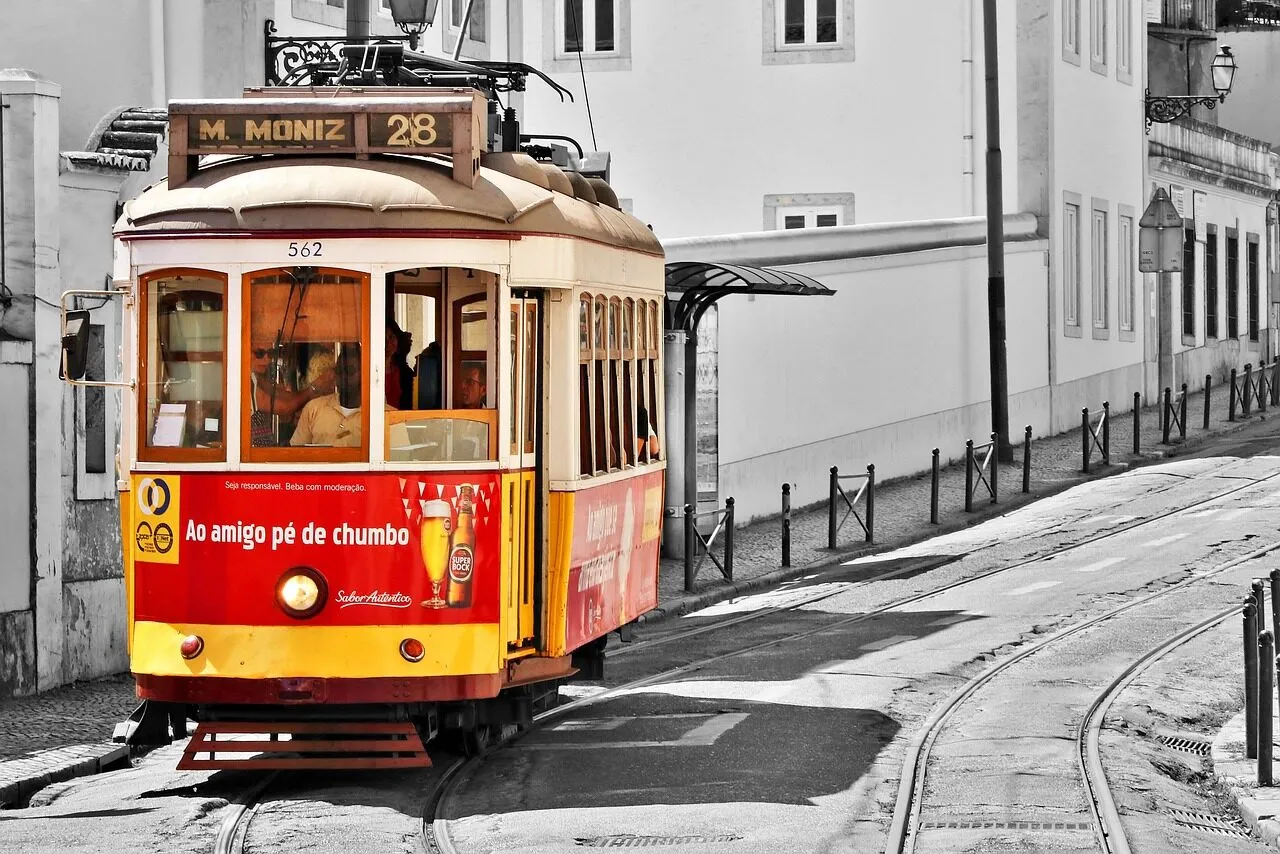
Give the five days to Lisbon and Sintra. Base in Lisbon for all of it and use the trains. Day one is central Lisbon: Baixa, Chiado and the riverfront, with the Baixa and Alfama walked in the evening when the light is on the tiles. Day two is Belem, the Age of Discoveries and the pastel de nata, with the Jeronimos Monastery and the Belem Tower in the morning and the river in the afternoon. Day three is Alfama, the castle and the viewpoints, and a fado night if you want one. Day four is Sintra as a day trip on the train, with the Pena Palace and the Quinta da Regaleira. Day five is Cascais on the coast, or a slower second day in Alfama, before the flight home. For the detail, see the Lisbon guide, or the day-by-day Lisbon itinerary.
7 days in Portugal
Seven days adds a second base, and there are two good versions. The first is the classic city pair: four nights in Lisbon with Sintra, then two or three nights in Porto, taking the Alfa Pendular north, with a Douro Valley day at the end. The second is city and coast: four nights in Lisbon, then three on the Algarve, using the train south to Faro or Lagos and spending the days on the beaches and at the cliffs of the west. Both work without a car.
If you take the Porto version, spend day five on the train and in the Ribeira, day six on the port lodges in Gaia and the Clerigos Tower, and day seven on a Douro Valley day trip by train or boat before flying out of Porto. If you take the Algarve version, base in Lagos for the cliff beaches and Ponta da Piedade, or in Tavira for the quieter east, and fly home from Faro. The Porto guide and the Algarve guide cover both in detail.
10 days in Portugal
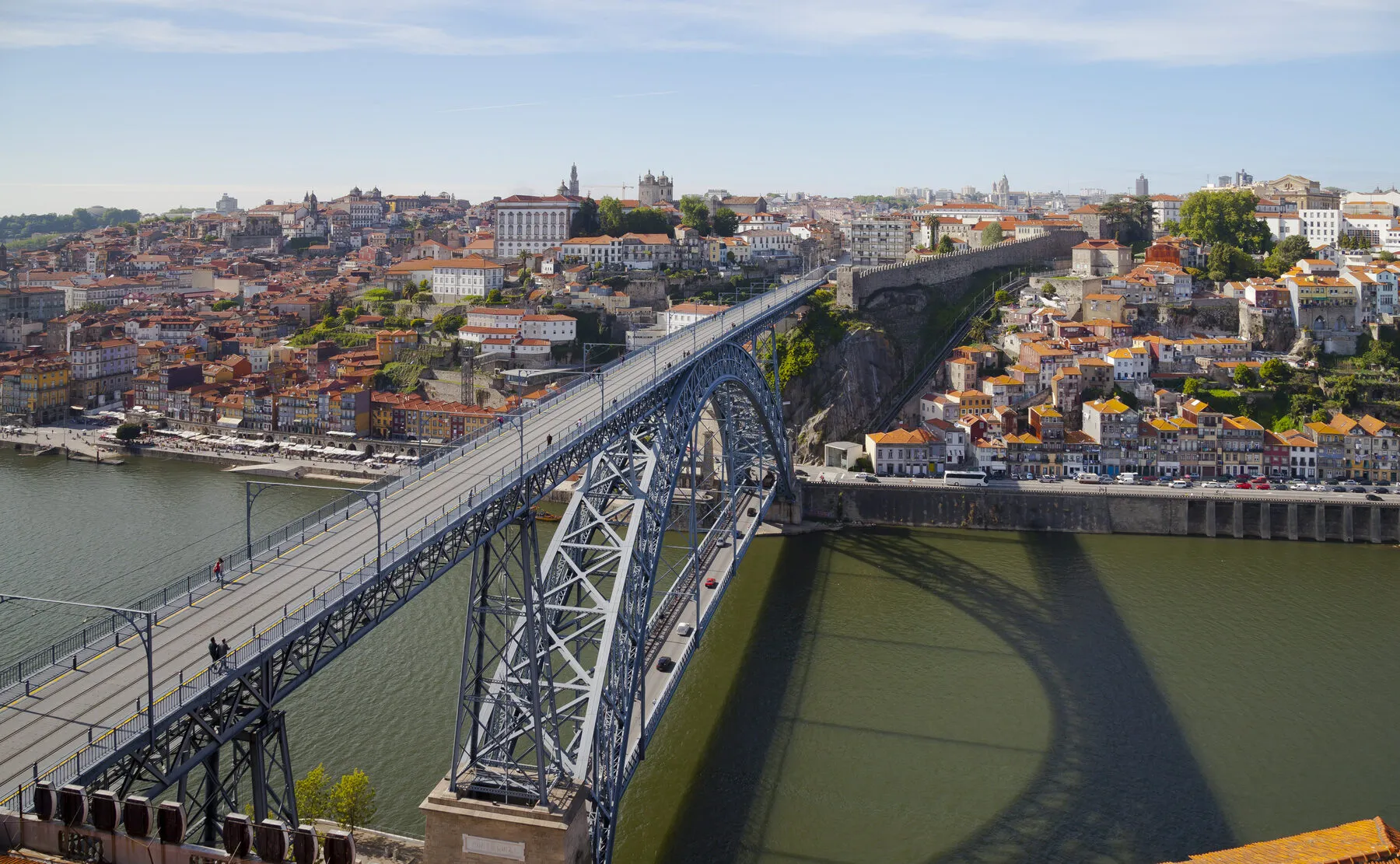
Ten days is where the first trip comes together. The cleanest route moves north to south: three or four nights in Lisbon, with a Sintra day trip; two or three nights in Porto, with a Douro Valley day; and three nights in the Algarve to finish on the coast. Take the train between the cities and only hire a car, if at all, for the Algarve days. It gives you the two great cities, the wine country and the beach, with no backtracking, and it can end with a flight out of Faro.
The alternative ten days swaps the Algarve for Madeira, which suits anyone who wants mountains and levada walks more than beaches. Fly from Lisbon to Funchal, spend three or four nights on the island with the peaks, the levadas and the north coast, and fly back out of Lisbon. It is a slower, greener trip, and it works especially well outside the peak summer, when Madeira is mild and the mainland is hot.
14 days in Portugal
Two weeks lets you stop counting travel days and add depth. Keep the Lisbon and Porto spine, then add the pieces the short trips cut: the Douro Valley as an overnight rather than a day trip, with a night in Pinhao among the vineyards; the Alentejo and the walled city of Evora on the way south; and the Algarve at a slower pace, with the west coast and the fishing towns as well as the beaches. Read as a loop, Lisbon to Porto to the Douro to the Alentejo to the Algarve and back, it covers almost everything the country is known for.
The two-week version is also where the road trip comes into its own, and this pillar covers it rather than a separate post. Driving the same loop, rather than training it, opens the places the trains skip: the Obidos walls, the Nazare coast, the Alcobaca and Batalha monasteries, and the hill towns of the Alentejo. The trade is that parking in Lisbon and Porto is a nuisance and tolls add up, so the common solution is to do those two cities car-free at the start and end, and pick up a car only for the middle of the trip. Whichever way you do it, keep the last night near your departure airport.
Where to base yourself
Four bases cover almost every Portugal trip. Lisbon is the hub, with the airport, the best train links and the day trips to Sintra and Cascais. In the city, Baixa and Chiado are the flat, convenient centre, Alfama and Mouraria are atmospheric but steep, and Bairro Alto is for nightlife and noise. Porto is the northern base, where the Ribeira is the atmospheric choice on the water and the Baixa around Aliados is the practical centre, with Gaia across the bridge for the port lodges.
The Algarve splits into two honest choices: Lagos, for the dramatic western cliffs and the busiest, prettiest beaches, and Tavira or the eastern towns, for a quieter, more Portuguese coast with the Ria Formosa lagoon. Madeira’s base is Funchal, with the old town, the cable car and the best restaurant spread, and day trips across the island. For the detail on each, the city and region guides linked through this post go deeper, and remote work in Portugal covers longer stays.
When to go
May, June and September are the best months, with warm days, thinner crowds and reasonable prices. April and October are the shoulder, cooler and quieter but often sunny, and good value. July and August are the peak, hottest in the Algarve and busiest everywhere, with the beaches and the cities at their fullest. The Algarve stays warm the longest and is pleasant into October, which makes it the best bet late in the season.
The north has its own pattern. Porto and the Douro are wet from November to January, so the north rewards spring and early autumn, and the Douro harvest in late September is a particularly good time to visit. Madeira is mild year round, but its driest and clearest months are the spring and summer, and its winter brings rain and wind. The full month-by-month picture is in the best time to visit Portugal guide.
What it costs
Portugal is the cheapest corner of Western Europe’s warm belt, and the trains keep the transport costs low. Excluding flights, a backpacker day runs about 50 to 70 EUR, a comfortable day about 95 to 130 EUR in Lisbon and 100 to 160 EUR in Porto, and a mid-range day 150 to 210 EUR. The main costs break down like this.
| Transport | Lisbon to Porto on the Alfa Pendular from about 10 to 16 EUR booked ahead, Lisbon to Faro from about 15 to 30 EUR, city metro rides 1.90 EUR. A rented car is about 25 to 50 EUR a day in the Algarve or on Madeira. |
|---|---|
| Accommodation | A comfortable double runs about 70 to 140 EUR a night in Lisbon or Porto and 60 to 130 EUR in the Algarve, higher in August. Hostels and guesthouses bring the backpacker day down sharply. |
| Food | A pastel de nata and coffee for a few euros, a lunch special or a bifana for 8 to 12 EUR, and a proper dinner with wine for 20 to 35 EUR a head. The food is one of the best value parts of the trip. |
| Sights and trips | The big Lisbon monuments are 8 to 17 EUR, a Sintra day trip 30 to 50 EUR with tickets and train, a Douro Valley day trip from about 60 EUR, and a Madeira peak or levada tour from about 40 EUR. |
These are planning estimates built from the fares and prices cited in this guide, not an official index. The two levers that move the total most are the season, since July and August push accommodation up sharply, and the route, because a one-direction trip avoids the cost and the time of backtracking.
Practical information
| Getting around | Trains link Lisbon, Porto and the Algarve; the Alfa Pendular is fast and cheap booked ahead. Airports are quick to the centres on the metro. A car helps in the Algarve, the Douro and on Madeira. Book intercity trains in advance in summer. |
|---|---|
| When to go | May, June and September for the best balance. July and August are the peak, hottest in the Algarve and busiest everywhere. The north is wettest from November to January, so the Algarve is the better winter option. |
| Language and money | Portuguese, with English widely spoken. Euro, cards accepted almost everywhere, tipping a small round-up or a euro or two. |
| Safety | Portugal is one of the safer countries in Europe for normal travel. Mind pickpockets on the Lisbon trams and in busy squares, and respect the Atlantic on the west coast and in the Algarve, where the currents and waves are stronger than the Mediterranean. |
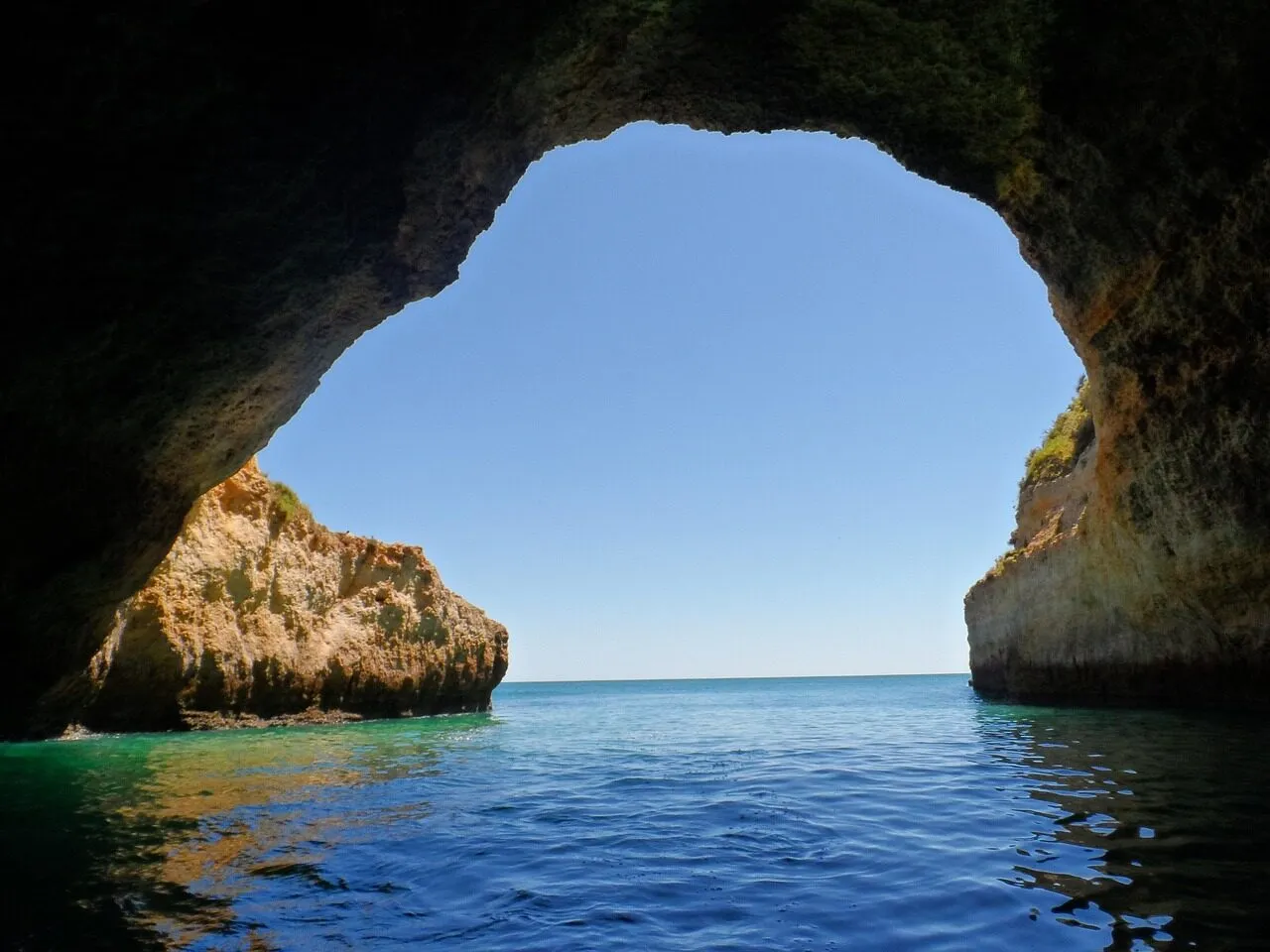
| Booking | Book Alfa Pendular trains and summer accommodation early. Book the Benagil cave and Douro Valley trips in advance, and reserve the Madeira levada walks and Pico do Arieiro sunrise if you want them. |
Disclosure. This blog post contains affiliate links. If you book through them, Mediterranean Vibes may earn a small commission at no extra cost to you; it is how the site stays up.