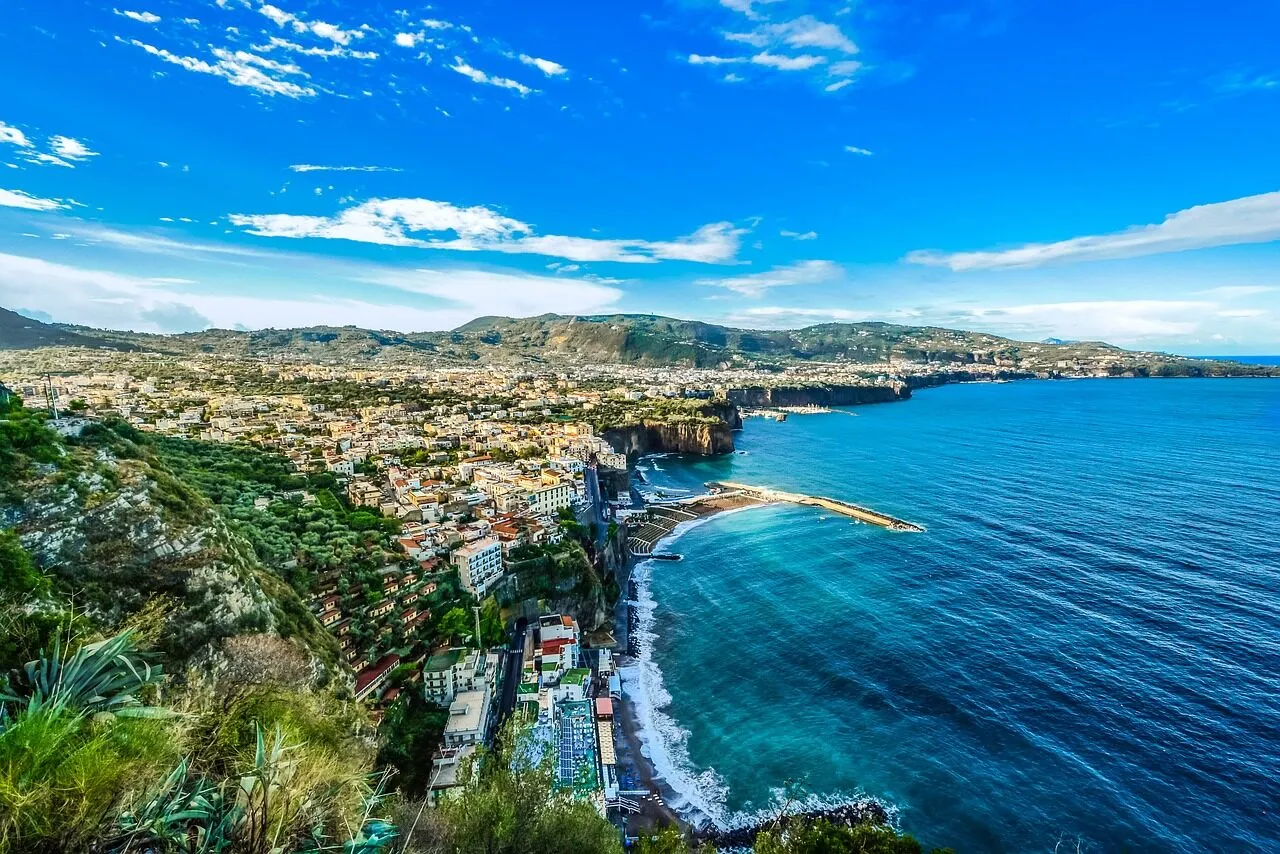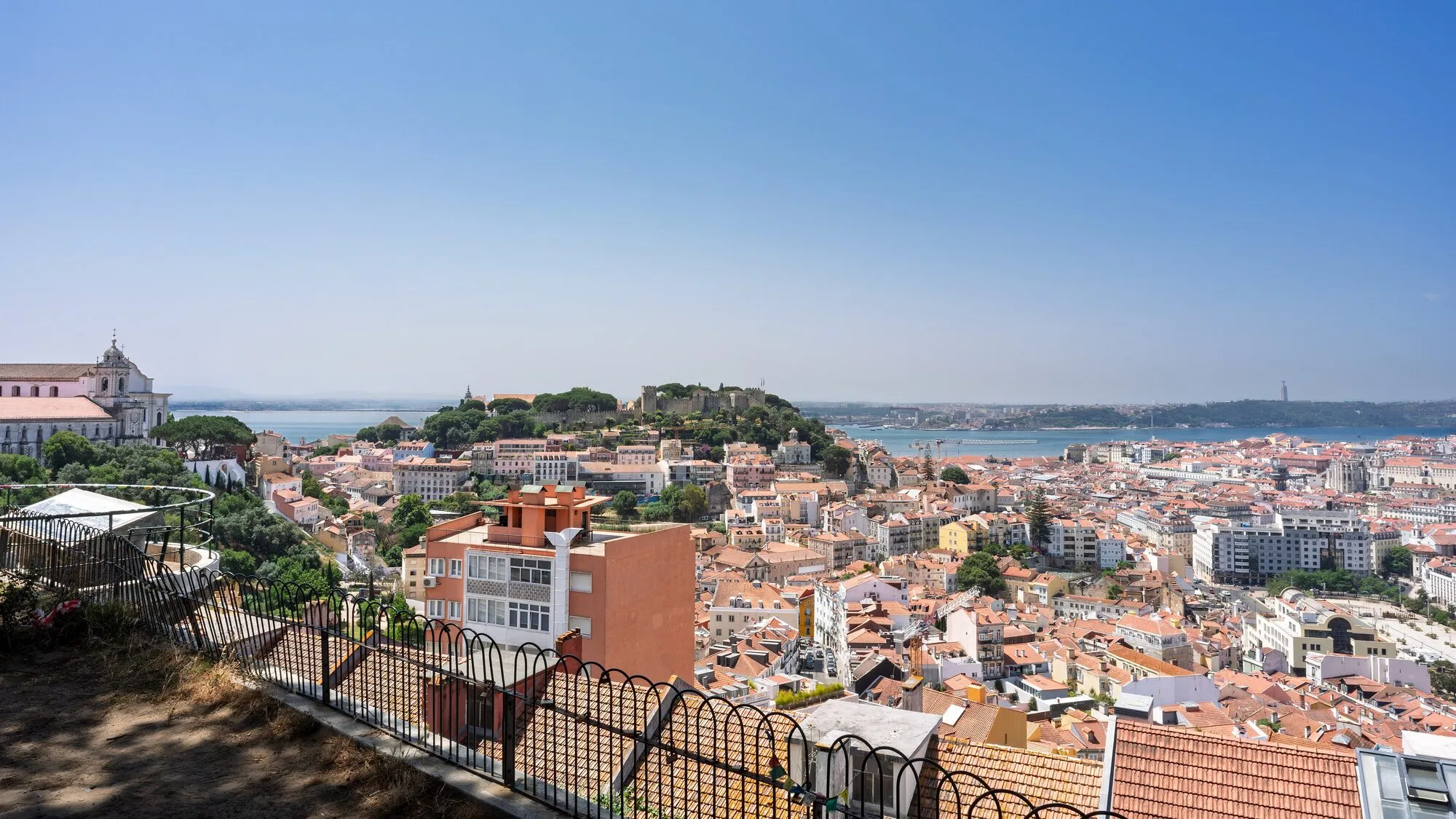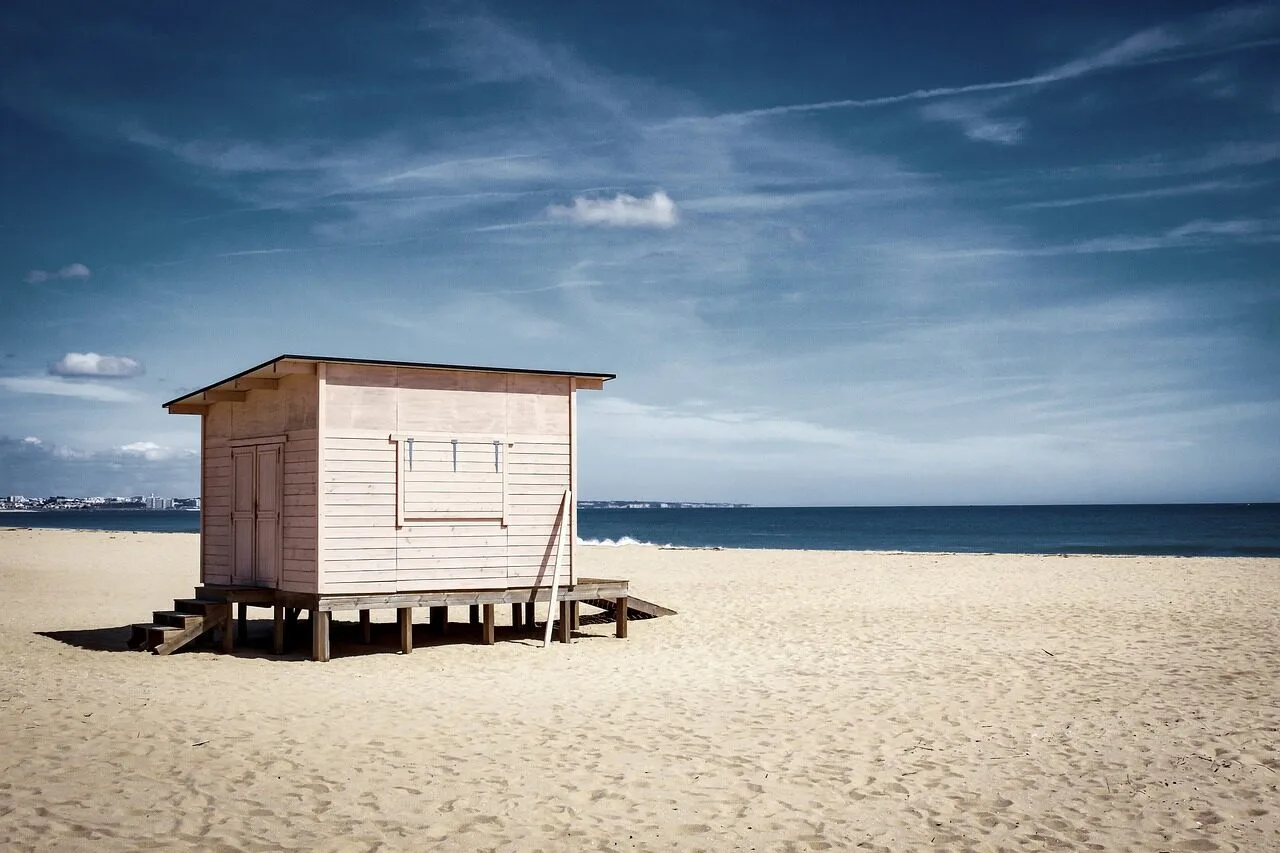
Portugal is one of the sunniest countries in Europe, with up to 3,200 hours of sunshine a year, so the question of when to visit is less about whether the weather will be good and more about how much heat and how many people you want. The thing most guides get wrong is treating Portugal as one climate. It is not. The north around Porto is maritime and wet, the centre around Lisbon is Mediterranean, and the Algarve in the south is warmer and drier than either, so the best month depends on where you are going as much as when.
This guide goes through the year month by month and then breaks it down by region, with the temperatures, the sea temperatures, the crowds and prices, and the events worth planning around. It is the seasonal reference for the rest of the Portugal guides; the Portugal itinerary shows how to structure a trip once you have the month, and the Portugal country guide has the background.
Plan and book
3 partners- Flights
Fares swing hard by season. Compare routes into Lisbon, Porto or Faro for your dates.
Search flights - Trains
Move between the regions by rail; the Lisbon to Porto Alfa Pendular is quick and cheap booked ahead.
Compare trains - Where to sleep
Shoulder season rooms are cheaper and easier to find. Compare prices across the year.
Find a room
The short answer
May, June and September are the best all-round months, and September edges the others. The summer crowds have thinned from the first week, the days are still warm, the sea is at its warmest of the year, and the Douro Valley is in the middle of its harvest. May is the close runner-up, with the greenest countryside, lower prices and quieter cities, though the sea is still cool for anything but a quick dip.
July and August are the peak: the hottest, the busiest and the most expensive, and the months to avoid if you have any flexibility. Winter, from November to February, is mild and cheap and good for cities and the Algarve, but it is not beach weather. The one regional rule to hold onto is that the north is wetter and the south warmer all year, so October is still a beach month in the Algarve while it is autumn rain in Porto.
Spring (March to May)
Spring is the season for cities, countryside and walking, when Portugal is green and the crowds have not yet arrived. March is still cool and unsettled, April brings the wildflowers and the almond blossom has just finished in the Algarve, and May is the sweet spot: warm, sunny days in the low twenties, long evenings, and prices well below summer. Lisbon and Porto are at their best for sightseeing, and the Douro and the Alentejo are green and quiet.
The caveat is the sea. The Atlantic is cold in spring, around 15 to 17 C, so treat spring as a sightseeing and hiking season rather than a beach one, and expect some coastal businesses to be still opening. By late May the Algarve starts to warm up properly, and the sand is warm even when the water is not.
Summer (June to August)
Summer is hot and dry, and it is the season people picture. July and August bring highs of about 28 to 30 C in Lisbon and the Algarve, hotter inland, with almost no rain and long, bright days. It is the best time for the beach and the warmest sea of the year, and it is also the busiest and most expensive, when the Algarve books out, the cities fill, and the roads and beaches are at their fullest. June is the gentler version: warm and reliable, but not yet at peak crowds or peak prices.
The heat is worst inland, in the Alentejo and the upper Douro, where midsummer days can pass 35 C and heatwaves go higher. The coast is kinder, with the Atlantic breeze, but even there the middle of the day is for shade and water. If you come in summer, book everything, ferries, palaces, Benagil, ahead, and keep the outdoor time to the morning and the evening.
Autumn (September to November)
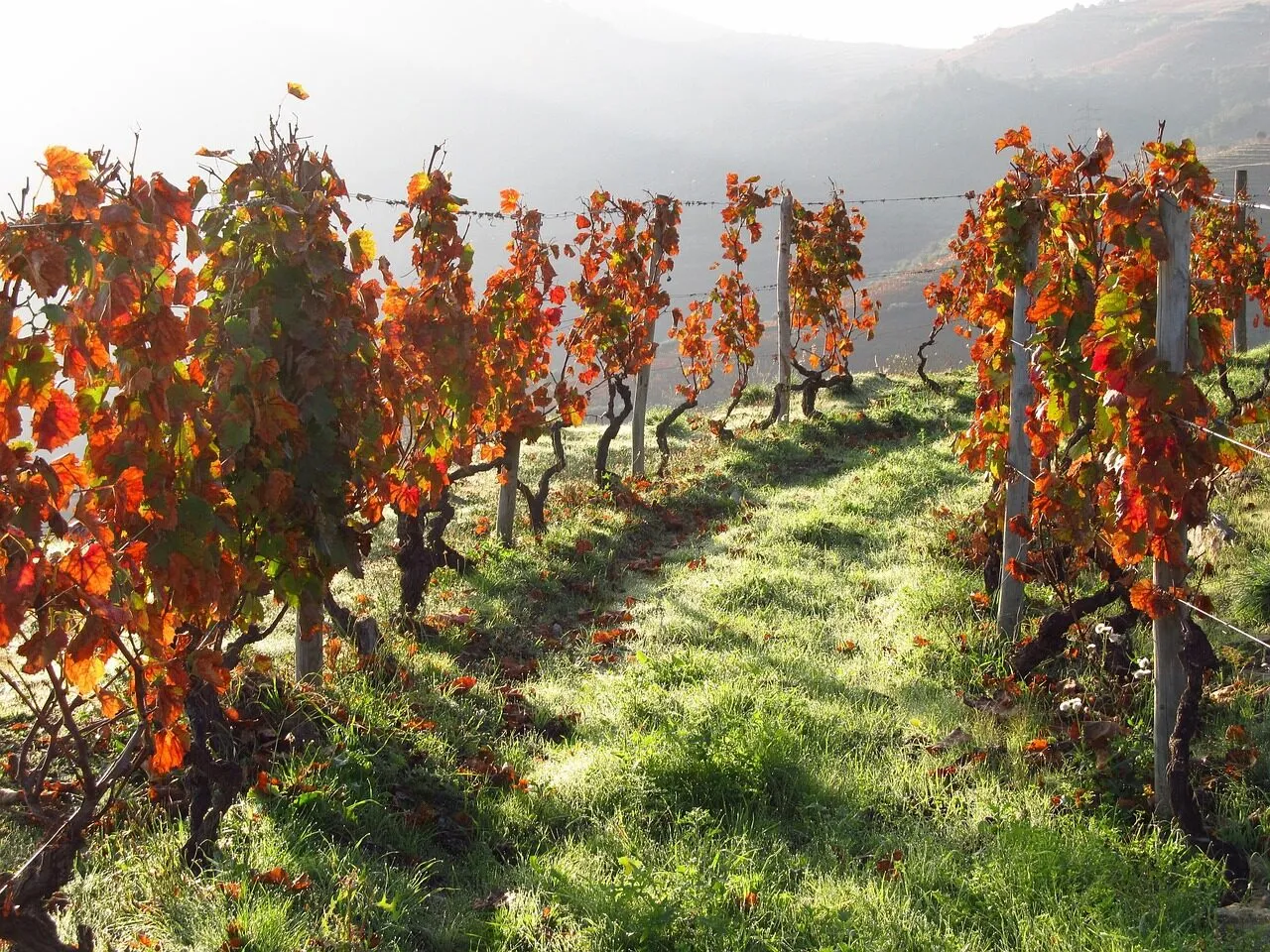
Autumn is the connoisseur’s choice and the best window of the year. September keeps the summer warmth, with days around 27 C in Lisbon and the Algarve, but the crowds thin from the first week, the prices fall, and the sea is at its warmest, about 21 to 22 C in the Algarve. The light softens, the Douro Valley is in harvest, and the whole country relaxes into its local rhythm. It is arguably the best month for cities, coast and wine country all at once.
October is milder still and very pleasant, around 23 C, and the Algarve stays warm enough for the beach and for walking well into the month, while the north begins to turn wetter. November is the wettest month in Lisbon and the start of the quiet season, cheap and calm but with more rain. For anyone who wants good weather without the peak, the first half of autumn is the answer.
Winter (December to February)
Winter in Portugal is mild and quiet rather than cold, and the country empties of tourists, which makes it cheap and calm. The Algarve averages about 16 C, Madeira stays mild, and Lisbon and Porto are cooler and rainier, around 15 C, with Porto the wettest of the three. It is good for cities, culture, food and golf, and it is the season of the Algarve’s almond blossom in February, which turns the hills white and pink.
The sea is cold, around 15 to 17 C, so winter is not beach weather, and the north gets the most rain. But for anyone who wants the cities, the Douro’s quieter months, or a mild escape from a northern European winter, it is underrated. Christmas brings markets and lights, and the New Year is the one busy spell in an otherwise quiet season.
By region
The three regions run on different clocks. Lisbon, in the centre, has a Mediterranean climate: mild, rainy winters and hot, dry summers, with the best weather in late spring and early autumn and the wettest month in November. The Algarve, in the south, is warmer and sunnier all year, the best winter option in the country, and the earliest and latest place for beaches, with a swimmable sea from about July to early October.
Porto and the north are the damp, green end. The summers are warm but cooler than the south, around 25 C, and the rain runs from November to January, which is why the north rewards spring and early autumn and why the Douro harvest in late September is such a good time to visit. Madeira, offshore, is mild year round, drier on the south coast, and a genuine winter and shoulder-season destination when the mainland cities are cold. Pack for the region you are going, not for Portugal as a whole. Start with the Lisbon and Porto guides for the cities, and the Madeira guide for the island.
Events
Portugal’s calendar is worth planning around. Carnival fills February with parades and costumes, and the Algarve’s almond blossom blooms the same month. June is the month of the saints: Lisbon celebrates Santo Antonio on 12 and 13 June with grilled sardines and street parties, and Porto celebrates Sao Joao on 23 and 24 June, one of the great festivals in Portugal. July brings the big music festivals, including NOS Alive near Lisbon, and the Douro harvest runs through September and October, which is the best time for a wine trip. Christmas markets and lights round out the year.
Which month to pick
Match the month to the trip. For cities, culture and walking, aim for May, June, September or October, with the greenest spring and the softest light in autumn. For the beach and warm water, June, July, September and early October in the Algarve. For wine and the Douro, late September into October. For value and quiet, November to March, accepting a cooler sea and the northern rain. If there is one month that does the most for the most trips, it is September, and the two to avoid without a reason are July and August.
Practical information
| Best months | May, June and September for the best balance; September is the single strongest month, with warm days, the warmest sea and the Douro harvest. |
|---|---|
| Temperatures | Lisbon about 15 C in January rising to 28 C in July and August; the Algarve about 16 C in winter and 28 to 30 C in summer; Porto cooler and wetter, around 25 C in summer. |
| Sea temperature | The Atlantic lags the air by a season. The Algarve peaks at 21 to 22 C in August and September and is swimmable from about July to October; Lisbon and the west coast run 18 to 20 C, cooler and better for surfing than long swims. |
| Peak to avoid | July and August for heat, crowds and price, especially in the Algarve. Book beaches, palaces and Benagil well ahead if you come then. |
| Regional watch | The north is wetter and the south warmer all year. Porto is wettest from November to January, and the Algarve is the best winter and late-autumn option. Madeira is mild year round. |
Disclosure. This blog post contains affiliate links. If you book through them, Mediterranean Vibes may earn a small commission at no extra cost to you; it is how the site stays up.