Mykonos, Ibiza and Hvar are the three names that come up when people ask where to party in the Mediterranean, and they are not the same night out at three prices. Ibiza is the superclub island, the one with the global DJs and the tickets that sell out weeks ahead. Mykonos is the glamour version, beach clubs through the day and a clifftop club that runs to sunrise. Hvar is the prettiest and the cheapest of the three, a walkable harbour town where the real late-night dancing happens on an island across the water.
This guide compares them on the things that decide a trip rather than a night: the music and the crowd, what a night actually costs, when the season runs, how you get home at 4am, and the rules that catch visitors out. Every figure is a 2026 range taken from a venue, tourism board or operator page and linked, because prices on all three move with the season and the line-up.
The short version. Pick Ibiza for the biggest clubs and the widest choice of music, Mykonos for beach clubs and a dressed-up crowd, and Hvar for a beautiful, walkable, cheaper night with the party offshore. If you want one island that does all of it, Ibiza has the range. If you want the postcard and the lower bill, Hvar wins. Mykonos is the one to choose when the day matters as much as the night.
Plan and book
3 nightlife experiences- Ibiza boat parties
Sunset and daytime boat parties leave from San Antonio and Playa d’en Bossa all season.
Find a boat party - Mykonos bar crawls
Start in Mykonos Town with a guide, then move on to the beach clubs and the late club.
Join a crawl - Hvar nights out
Harbour bars, the Pakleni islands and the boat transfer to the late beach club.
Book an experience
What kind of night you want
Start with the music and the setting, because the three islands are built around different ones. Ibiza is a house and techno island first, with big-room EDM and commercial nights layered on top. It has the deepest line-ups in the Mediterranean and the venues to match, from a 7,000-capacity open-air stage to a cave terrace in the pines. The crowd is international and wide, mostly twenties to forties, and the night starts around midnight and ends after sunrise.
Mykonos is less about a single genre and more about the setting and the crowd. The day is the point as much as the night: beach clubs turn lunch into a party and carry it through sunset, and the town’s bars and the clifftop club take over after that. It is the most dressed-up of the three, the most LGBTQ+ friendly, and the one where people watch each other as much as the DJ.
Hvar is the casual one. The town is small and walkable, the harbour bars are for a drink before midnight, and the serious dancing is on Stipanska, a beach club on the Pakleni islands reached by a short boat ride. It draws a younger, more mixed crowd than Mykonos, with a lot of Croatians and Italians alongside the summer visitors, and it costs less than the other two for the same shape of night.
Then think about logistics, because they differ more than the price tags suggest. Ibiza is the only one of the three with a proper night bus network. Mykonos spreads its venues across the island and taxis are scarce. Hvar is the easiest to walk and the hardest to leave, since the last scheduled boat back to Split goes in the evening.
Mykonos
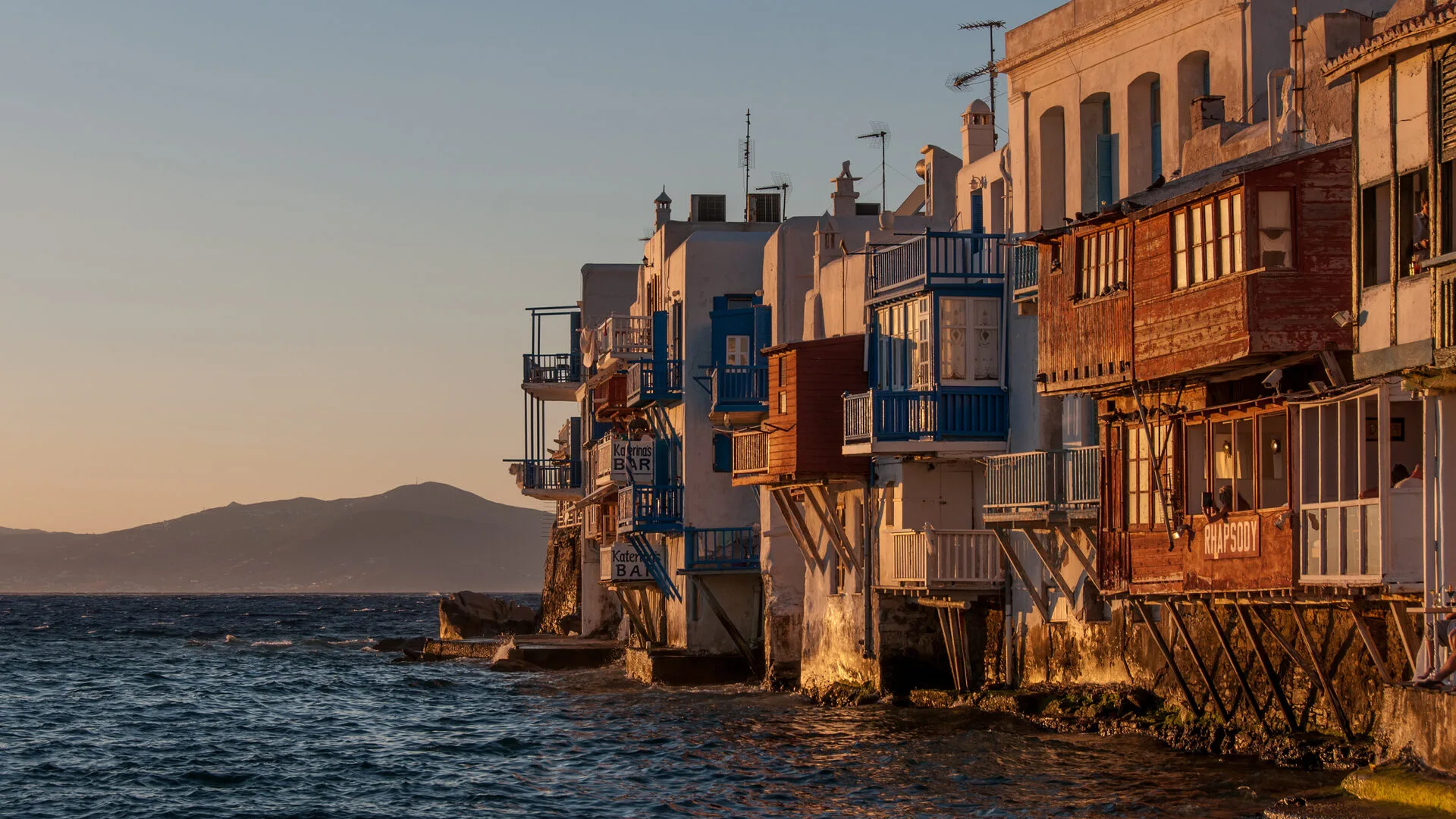
Mykonos runs on two clocks. The first starts in the late afternoon in Mykonos Town, where the sunset bars of Little Venice fill from about 18:00 and cocktails run 12 to 18 EUR for the view. From around 23:00 the lanes around Matogianni take over, with the long-running Skandinavian Bar and the town’s LGBTQ+ venues among the fixtures. This part of the night is more cocktail bar than club, and it stays lively into the early hours.
The second clock is the beach. Paradise and Super Paradise are the mass-market party beaches, with DJs from mid-afternoon and a young crowd, while Scorpios on Paraga and Nammos on Psarou are the polished, expensive end. Sunbeds run about 40 to 150 EUR depending on the club and the row, cocktails 12 to 25 EUR, and the better beach clubs ask you to book a table for sunset in high season.
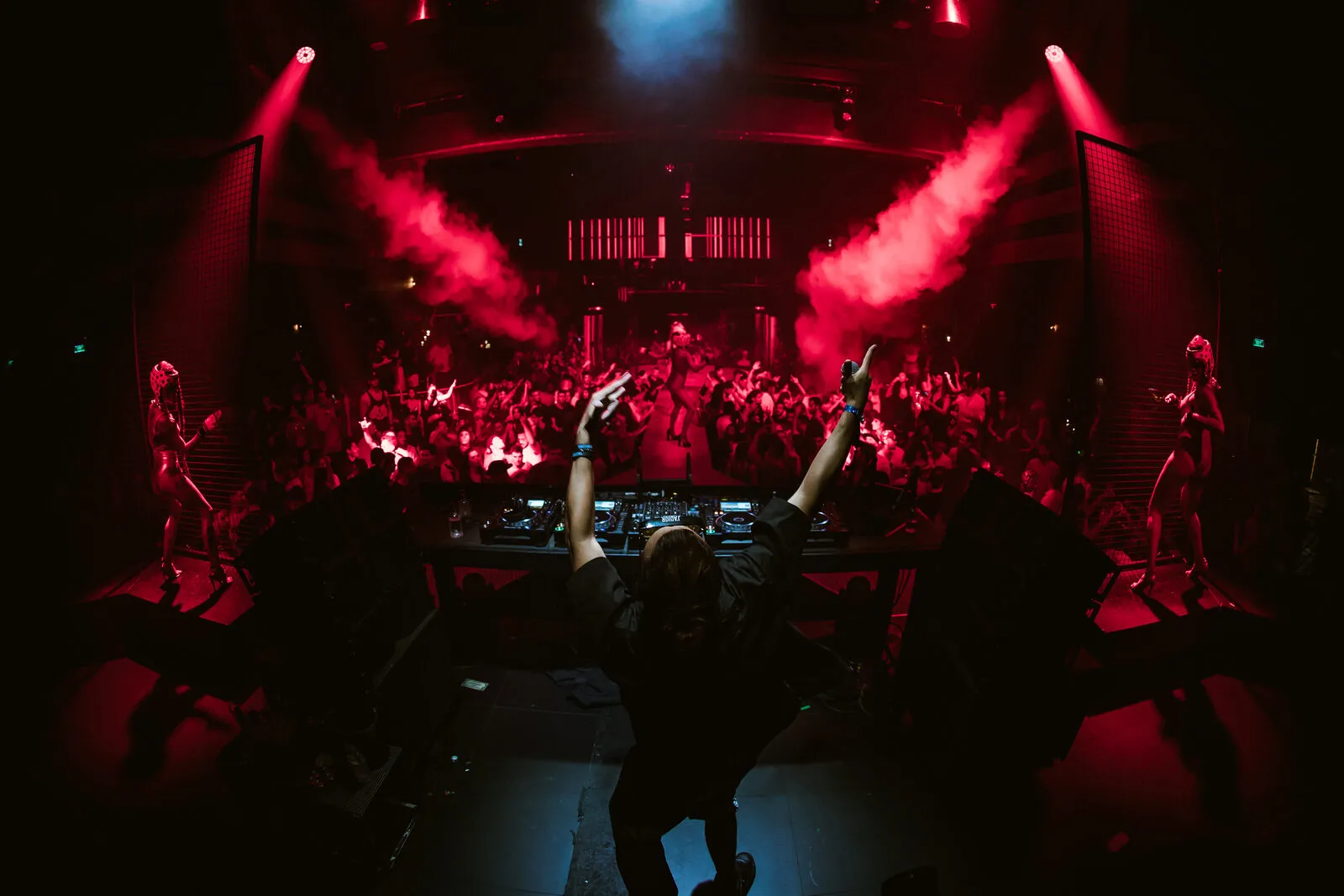
After 02:00 the island converges on Cavo Paradiso, the club on the cliff above Paradise Beach that has been running since 1993 and is known for its sunrise sets. Entry is roughly 20 to 60 EUR depending on the night, the dress code is smart casual, and the club runs from about 23:30 to 07:00 with after-parties some nights. The official site lists the line-up and the ticket points in Mykonos Town, and it is the one booking worth making before you arrive in August.
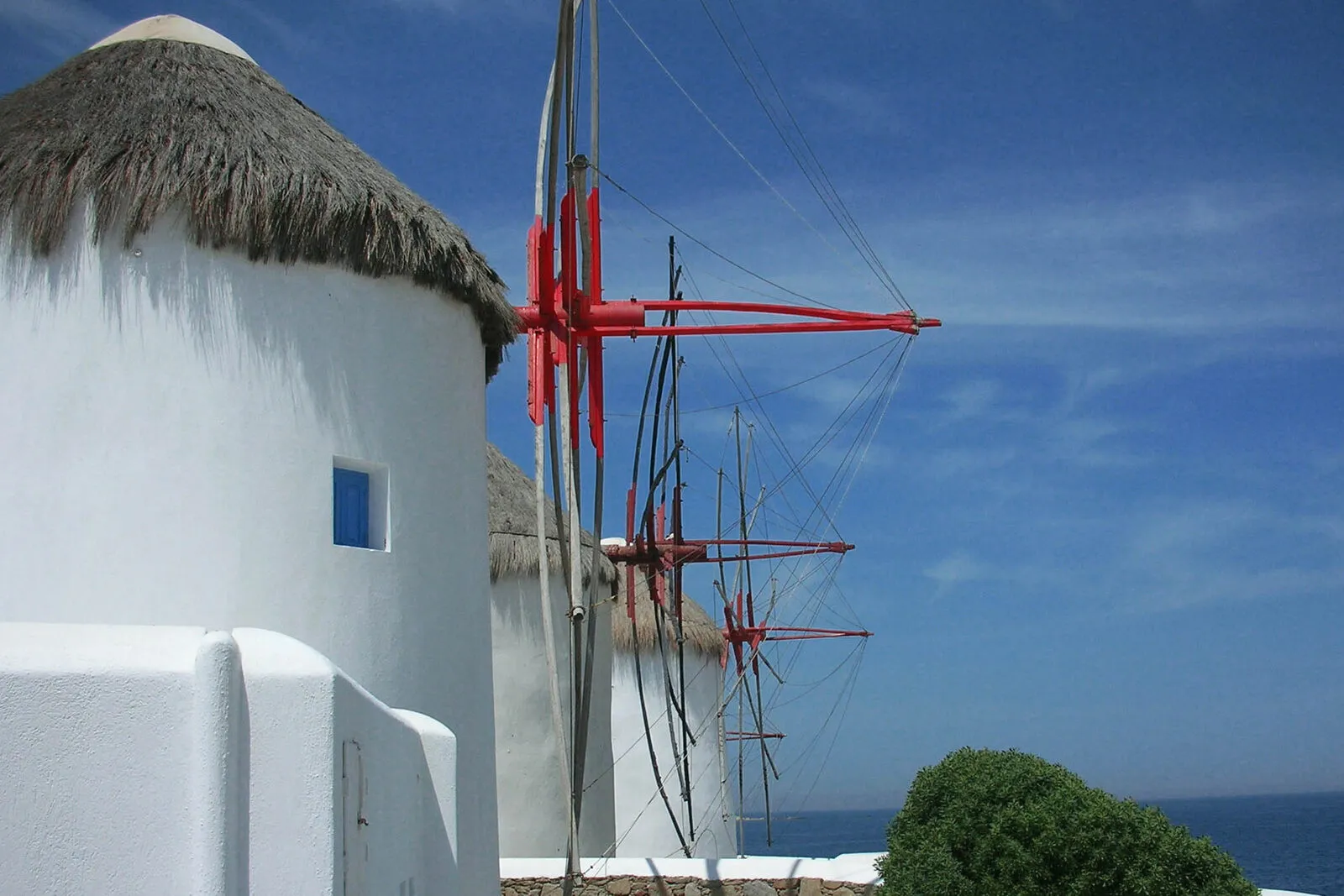
The catch is transport and cost. The bus from Fabrika station to Paradise Beach is the reliable way out to the clubs, taxis are limited and picked up from Taxi Square, and sea taxis link some of the beaches to the town. A full night, with entry, a few drinks and the ride home, realistically runs 80 to 200 EUR a person, and August pushes everything to the top of that range. The season is June to September, with June and early September giving the same island at slightly lower prices and thinner crowds.
Ibiza
Ibiza is three scenes on one island, and where you stay decides which one you get. San Antonio, on the west coast, is the sunset and value end: the cafés around the bay, the West End bars, and the shortest walk from a cheap hotel to a drink. Playa d’en Bossa, south of Ibiza Town, is the polished end, home to the open-air daytime parties and the biggest superclubs. Ibiza Town itself is the classiest base, with Pacha, the marina and the walled Dalt Vila above it.
The season is the longest of the three. The clubs open in the last week of April and close in the first fortnight of October, with mid-June to mid-September at full volume. The opening and closing weekends are the two most expensive and hardest-to-book fortnights of the year, and the shoulder weeks in late May and the third week of September give you the same line-ups with shorter queues and cheaper flights.
Tickets are where Ibiza separates from the other two. A normal club night runs about 25 to 70 EUR if you buy online in advance, and the biggest names and the closing parties climb to 85 to 145 EUR. Buying at the door on the night is almost always the most expensive way in, and the popular events sell out days or weeks ahead. Inside, expect 10 to 16 EUR for a beer, 18 to 25 EUR for a spirit and mixer, and water at 8 to 15 EUR, though clubs are required by law to provide drinking water. VIP tables start around 1,000 EUR and go up from there.
The reason Ibiza works without a car is the Discobus, the night bus network that connects San Antonio, Playa d’en Bossa, Ibiza Town and the main clubs. It costs 4 to 5 EUR a ride, runs every 30 to 60 minutes through the summer, and runs a lighter service around the opening and closing parties. The routes cover every major venue, and the full service runs from late May to 30 September. Taxis are the faster option but the queues after the clubs close at 6am can be long, and a San Antonio to Playa d’en Bossa run is around 35 EUR.
Hvar
Hvar is the one you can do on foot, which is a large part of its appeal. The evening starts on the rocks at Hula Hula, the west-facing bar between the town and the Podstine hotel, where a DJ plays through the sunset and the crowd is on mattresses and wooden decks rather than sand. Dinner in the old town follows, then the harbour bars and Carpe Diem in town, which closes around 02:00.
That is when Hvar does the thing most guides leave out. The late dancing moves offshore to Carpe Diem Beach on Stipanska, in the Pakleni islands, reached by boat from Hvar harbour from about 01:00 until dawn. Cover at the beach club runs 25 to 40 EUR in peak season depending on the night, and the boat transfer is a separate cost. The result is a night in two halves, both of them short walks or a short boat ride apart, with no taxi needed anywhere.
Prices are the most reasonable of the three. Beer at a harbour bar is about 5 to 7 EUR, cocktails 10 to 15 EUR in a normal bar and 15 to 22 EUR at Hula Hula or Carpe Diem, and a bottle of local wine in a restaurant 30 to 50 EUR. A full evening with dinner, drinks at two venues and a club stop lands around 100 to 200 EUR a person, and less if you eat simply and drink beer. The season runs from May to October, with July and August the busiest and June and September the sweet spot.
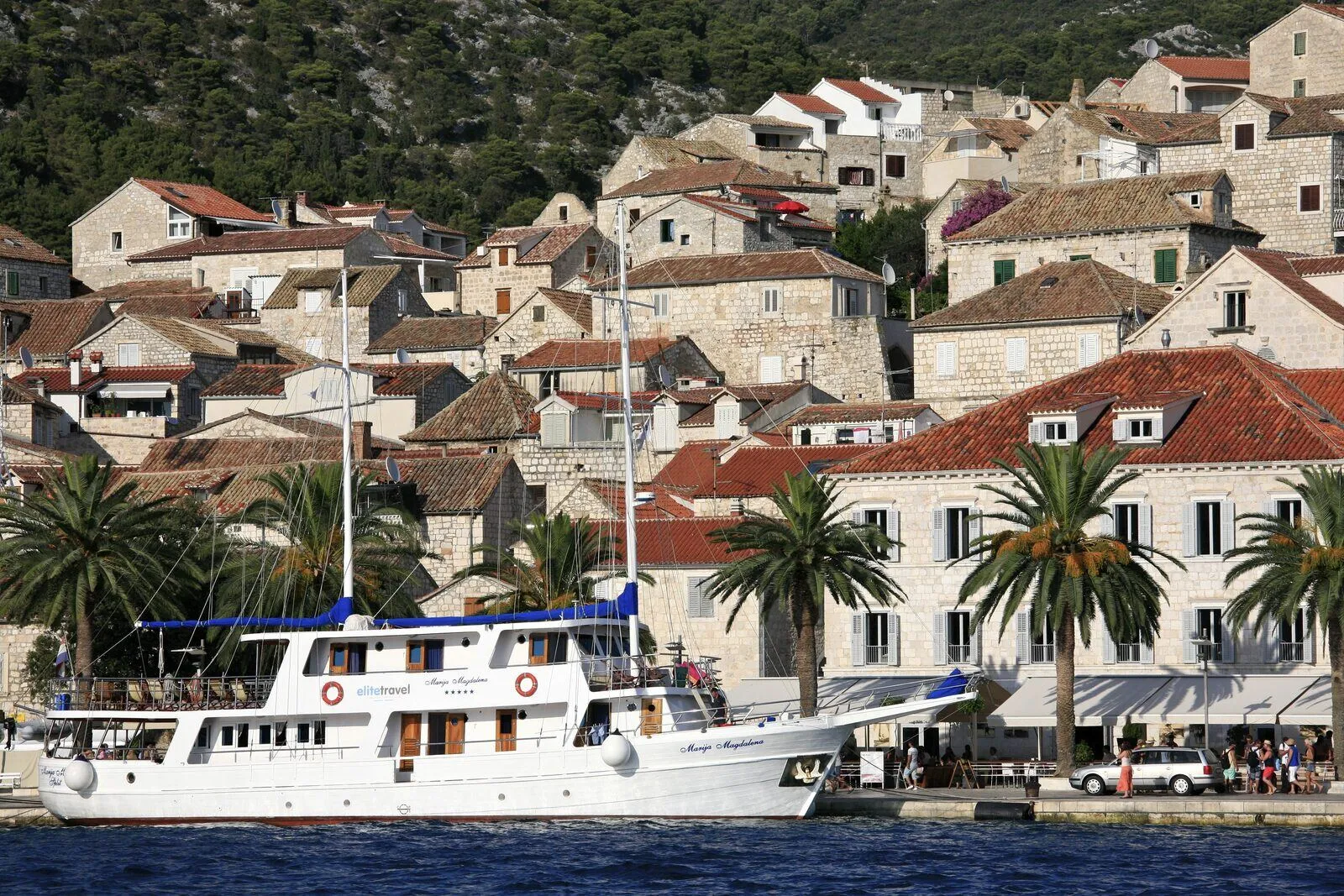
The trade-off is access. Hvar has no airport, so everyone arrives by sea. The fast catamaran from Split to Hvar Town takes 50 to 65 minutes and costs 10 to 30 EUR, with around 19 to 20 sailings a day in peak summer, while the car ferry to Stari Grad takes about two hours and costs 8.40 EUR for a foot passenger. The last scheduled boat back to Split leaves in the evening, well before the night gets going, which is the single most important thing to plan around if you are day-tripping rather than staying. If you are weighing it against the other Dalmatian island, the Hvar vs Korcula comparison covers which one fits your trip.
What a night costs
These are 2026 ranges from venue, tourism and operator pages, per person, and they move with the season, the line-up and how much you drink. They exclude accommodation and flights.
| Mykonos | Ibiza | Hvar | |
| Beer | 8 to 12 EUR | 10 to 16 EUR | 5 to 7 EUR |
| Cocktail | 12 to 25 EUR | 18 to 25 EUR | 10 to 22 EUR |
| Club entry | 20 to 60 EUR | 25 to 145 EUR | 25 to 40 EUR |
| Beach bed or table | 40 to 150 EUR | VIP from 1,000 EUR | 15 to 50 EUR |
| A full night | 80 to 200 EUR | 100 to 250 EUR | 100 to 200 EUR |
| Season | June to September | late April to mid October | May to October |
Read the table by format, not just by number. Mykonos looks close to Hvar on a full night, but that is because the Mykonos figure is built on bars and a club rather than a beach club table, which can add hundreds. Ibiza’s range is the widest because a quiet night at a smaller venue and a closing party at a superclub are the same island on different dates. Hvar is the cheapest for the same shape of night, and the only one where the entry price rarely surprises you.
When to go
All three run a summer season and all three are busiest in July and August, so the shoulder weeks are where the value is. On Ibiza, the last week of May and the third week of September give you the full line-up of residencies, warmer sea than June, and lower flight and hotel prices. On Mykonos, June and early September are the same island with a little more room. On Hvar, June and September are warm, busy but not crushed, and the sea is at its best in September.
Two timing traps are worth knowing. The Ibiza opening weekends in late April and early May and the closings in the first fortnight of October are the most expensive and hardest-to-book fortnights of the season, so if you are not going specifically for those events, avoid them. And on Hvar, if you are visiting from Split for the day, the last scheduled boat leaves in the evening, long before the town’s night starts, so a day trip and a night out are two different trips.
Getting there and getting home
Ibiza has the best late-night transport of the three. The Discobus runs 4 to 5 EUR a ride between San Antonio, Playa d’en Bossa, Ibiza Town and the clubs, every 30 to 60 minutes through the summer, with the full service from late May to 30 September. New routes added in 2026 extend it to Pacha and toward Santa Eulalia. Taxis are quicker but cost more, around 20 to 35 EUR for the cross-island runs, and the queue after 6am is the part nobody plans for. Book a private transfer for the night you do not want to wait.
Mykonos is the awkward one. The bus from Fabrika station to Paradise Beach covers the main club strip, but taxis are limited, picked up from Taxi Square, and hard to find when the clubs empty. Sea taxis and hotel shuttles fill some of the gap, and some venues sell a transfer with the ticket. Work out the last ride before you go out rather than at 5am.
Hvar is the easiest to move around and the hardest to leave. Everything in town is a walk, and the boat to Carpe Diem Beach on Stipanska is part of the night rather than a chore. The complication is the mainland: the last catamaran back to Split goes in the evening, so the late crowd either stays on the island or pre-books a private boat with a skipper who waits. If you want a big night and a return to Split, book the boat, not the ferry.
Age, laws and safety
The legal drinking age is 18 in all three countries, and clubs ask for ID. Greece tightened the rule in 2025: the law now bans under-18s from entering, staying in, or working in nightclubs and standalone bars, not just from buying alcohol, with penalties falling on the venue. Spain and Croatia both require ID for alcohol and energy-drink sales to anyone who looks under 18, and Croatia banned energy-drink sales to minors outright in 2026.
Do not drink and drive on any of them. Greece and Croatia set the standard limit at 0.5 g/l, Spain at 0.5 g/l for most drivers and 0.3 g/l for novices and professionals, and Greece and Croatia drop to 0.2 and 0.0 for new and professional drivers. Penalties escalate from on-the-spot fines to licence bans, vehicle impoundment and, at the top of the range, prison. Croatia doubled fines for the most serious offences in July 2026. On islands where the roads are dark and winding and a scooter seems like a good idea at midnight, the safe rule is the only rule: do not drive.
Street drinking is the other trap, and it is a Spanish and Croatian one. Spain bans drinking in public in San Antonio and other designated zones of the Balearics, with on-the-spot fines up to 3,000 EUR, and restricts takeaway alcohol sales from 21:30 to 08:00 in those zones. San Antonio all-inclusive hotels are also limited to six alcoholic drinks a day under the regional rules. Croatia has public-drinking bans in party zones and, since 2026, allows towns to restrict late-night shop sales, with Split banning shop alcohol from 21:00 to 06:00. Drinking at a bar or restaurant terrace is always allowed. Check the current local rules when you arrive, because they are set town by town.
Drug laws are strict in all three countries, and possession can mean serious penalties regardless of what is tolerated at home. Check your own government’s travel advice before you go. Two practical safety notes for any of the three: keep an eye on your drink and your phone in the crowded bars, and drink water through the night, because the heat is the thing that ends more holidays than the alcohol does. Clubs on Ibiza are required to provide free drinking water, so use it.
Which one fits you
Choose Ibiza if you want the biggest clubs, the widest range of music and the longest season, and if a night that ends after sunrise is the point. It is the only one of the three where you can see a world-class DJ on a Tuesday in June and a different one on a Wednesday, and the Discobus means you do not need to budget for taxis. It is also the one where a single ticket can cost more than a whole night elsewhere.
Choose Mykonos if the day matters as much as the night. The beach clubs are the attraction, the crowd is the most dressed-up and the most LGBTQ+ friendly, and the island is small enough to see properly in three or four days. It is the priciest for the same format, taxis are scarce, and August is overwhelming, but there is nothing else in the Mediterranean quite like a Mykonos sunset from the water.
Choose Hvar if you want the prettiest town, the cheapest night and the least hassle. It is walkable, the crowd is more mixed and less scene-driven, and the split between the harbour and the beach club on Stipanska gives the night two distinct halves. It has no airport and the last boat to Split leaves early, so it rewards staying on the island rather than day-tripping.
Practical information
| Getting there | Ibiza has an airport with direct flights from across Europe. Mykonos has an airport plus ferries from Athens and the Cyclades. Hvar has no airport: fast catamarans run from Split to Hvar Town in 50 to 65 minutes for 10 to 30 EUR, and car ferries to Stari Grad in about two hours for 8.40 EUR. |
|---|---|
| Getting home | Ibiza: Discobus at 4 to 5 EUR, taxis 20 to 35 EUR cross-island. Mykonos: bus from Fabrika to Paradise Beach, scarce taxis from Taxi Square, sea taxis. Hvar: walk in town, boat to Stipanska for the late club. |
| Season | Ibiza late April to mid October, peak mid-June to mid-September. Mykonos June to September. Hvar May to October. Shoulder weeks in late May and September are the best value on all three. |
| Age and ID | 18 in all three countries, ID required at clubs. Greece bans under-18s from nightclubs and standalone bars since 2025. Croatia bans energy-drink sales to minors. |
| Drink-driving | Greece 0.5 g/l, 0.2 for novice and professional. Spain 0.5 g/l, 0.3 for novice and professional. Croatia 0.5 g/l, 0.0 for under-24 and professional. Do not drive after drinking on any of them. |
| Money and safety | All three use the euro. Cards are accepted widely but carry cash for small bars and boats. Spain bans street drinking in San Antonio and other zones with fines up to 3,000 EUR; Croatia has party-zone bans. Keep an eye on your drink and phone in crowded bars, and drink water through the night. |
Disclosure. This blog post contains affiliate links. If you book through them, Mediterranean Vibes may earn a small commission at no extra cost to you; it is how the site stays up.


.jpg)