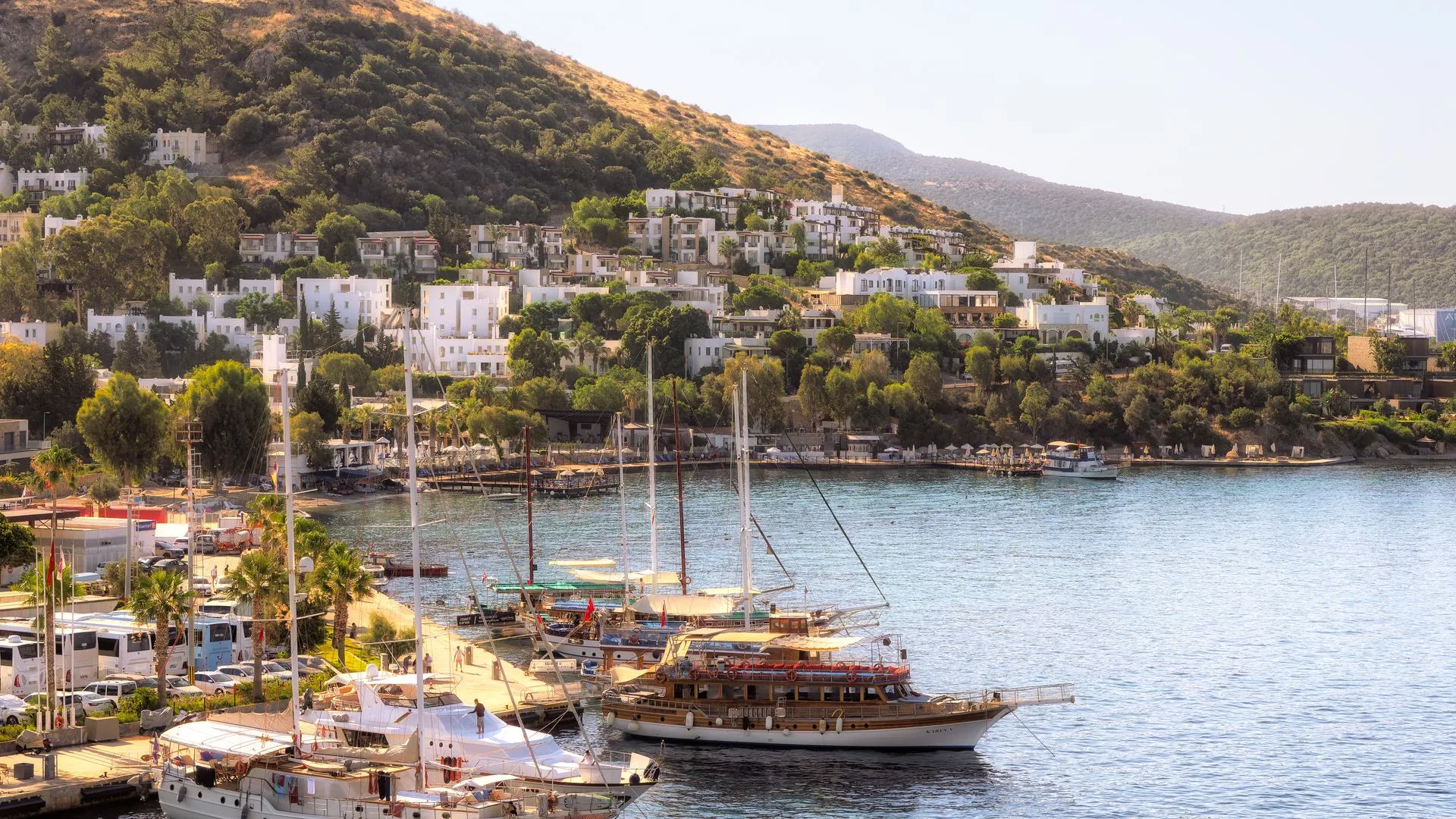
Bodrum is not a resort town with a beach. It is a peninsula strung with villages, a medieval castle in the middle, and a long indented coastline, and the village you pick changes the holiday you get. The town itself holds the castle, the bazaar, and the busy bar street. To the west sit quiet Gümüşlük and the wealth of Yalıkavak. To the north, Türkbükü runs on beach clubs with wooden decks over the water. Booking the wrong one is the most common Bodrum mistake, and it is easy to avoid once you know the shape of the place.
Bodrum also carries two reputations that both happen to be true. One is the celebrity yachting playground where superyachts line the marina at Yalıkavak and cocktails cost what they cost in Mykonos. The other is a working Turkish coastal town where an ocakbaşı lunch or a fish sandwich at the harbour costs less than a coffee at home. You can move between them in the same afternoon, and many people do.
This guide gives you the numbers that matter for 2026 with the source attached, because museum tickets for foreign visitors are now set in euros and lira prices move with inflation. What the castle and the underwater museum cost, how the airport transfer and the Kos ferry work, which beaches and villages are worth the dolmuş ride, and a daily budget range. Every figure is checked against an official 2026 page, and the ones worth rechecking are linked as you go. If you are planning the wider trip, compare all seven countries in the country index.
Plan and book
3 partners- Flights
Find a route into Milas-Bodrum (BJV) from wherever you start, and compare the summer charter fares early.
Search flights - Tours and boat trips
Gulet day cruises, the castle and old town walks, and Karaada boat trips with a swim stop.
Browse tours - Where to sleep
Rooms in Bodrum town, Gümbet, Bitez, and the marina villages, sorted by area and price.
Find a room
The castle and the underwater museum
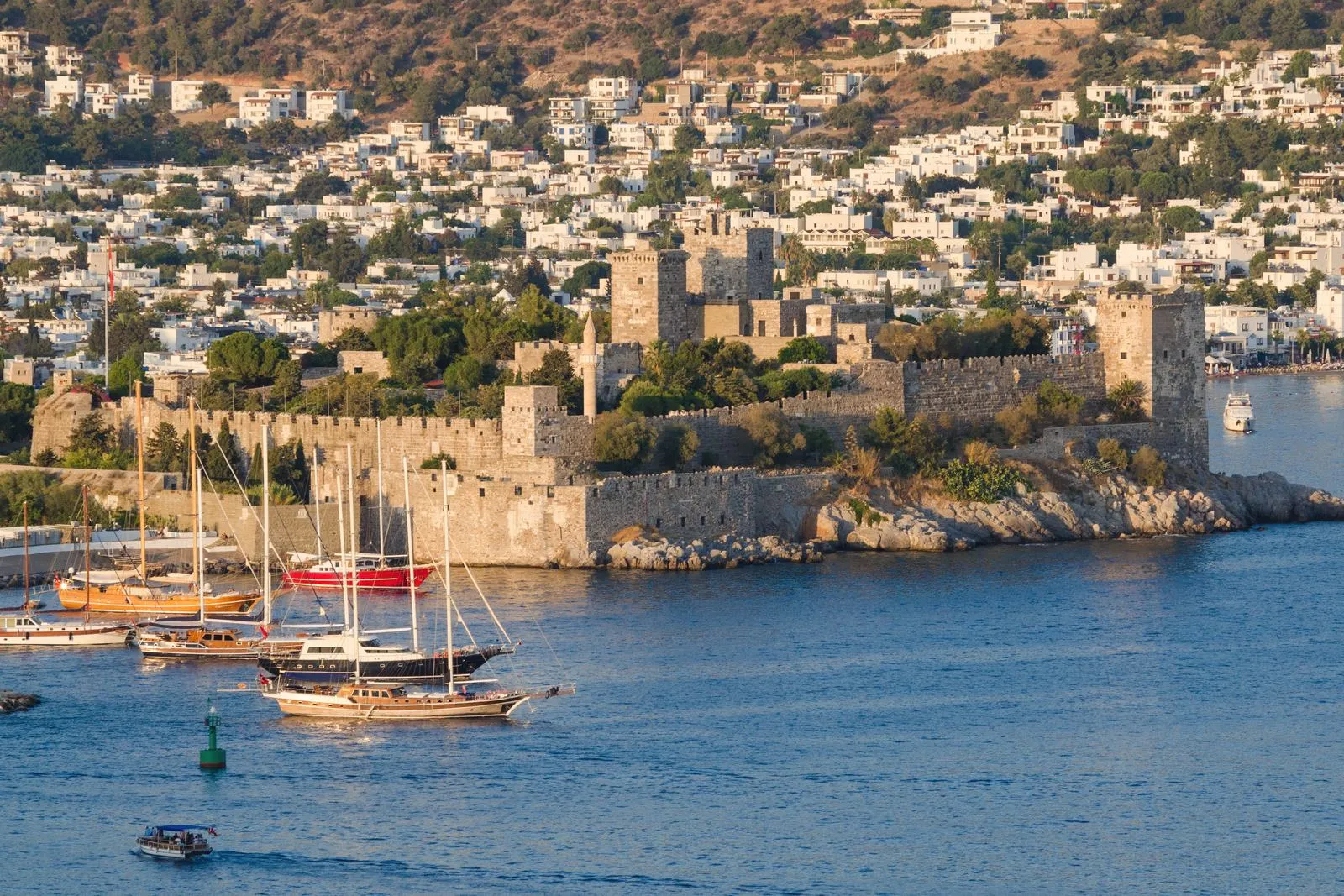
Bodrum Castle, the Castle of St Peter, is the anchor of the town and the one sight no first visit should skip. The Knights of St John built it at the start of the 15th century, and they quarried the ruins of the Mausoleum for stone, so the walls of a medieval fortress are literally made from one of the Seven Wonders of the ancient world. The tower rises over the harbour, and the courtyards open onto the marina below.
Inside sits the Museum of Underwater Archaeology, open since 1964 and one of the few museums in the world devoted to the field. Its halls hold the Uluburun shipwreck of the 14th century BC, the Serçe Limanı glass wreck, and one of the largest amphora collections anywhere. One ticket covers the castle and the main museum halls: the official 2026 fee is 20 EUR for foreign visitors, and the separate Serçe Limanı glass wreck hall is listed at 6 EUR. The Turkish state’s published museum price list confirms both.
The castle is open every day. The daytime session runs from 08:30 to 18:45, and from 1 June to 1 October there is also a night museum session from 19:00 to 22:00 with a separate ticket that the Müzekart does not cover. Give it two to three hours, come at opening or in the last two hours before the daytime close, and skip the middle of the day when the courtyards have no shade and the cruise crowds arrive.
The Mausoleum and the old town
The Mausoleum of Halicarnassus was the tomb of Mausolus, the satrap of Caria, finished around 350 BC and famous enough to give the world the word mausoleum. Earthquakes brought it down in the Middle Ages and its stone went into the castle, so what remains is the foundation, a few recovered fragments, and a small site that tells the story better than it shows it. The official fee is 3 EUR and the Müzekart is valid, which makes it an easy stop on a walk through town.
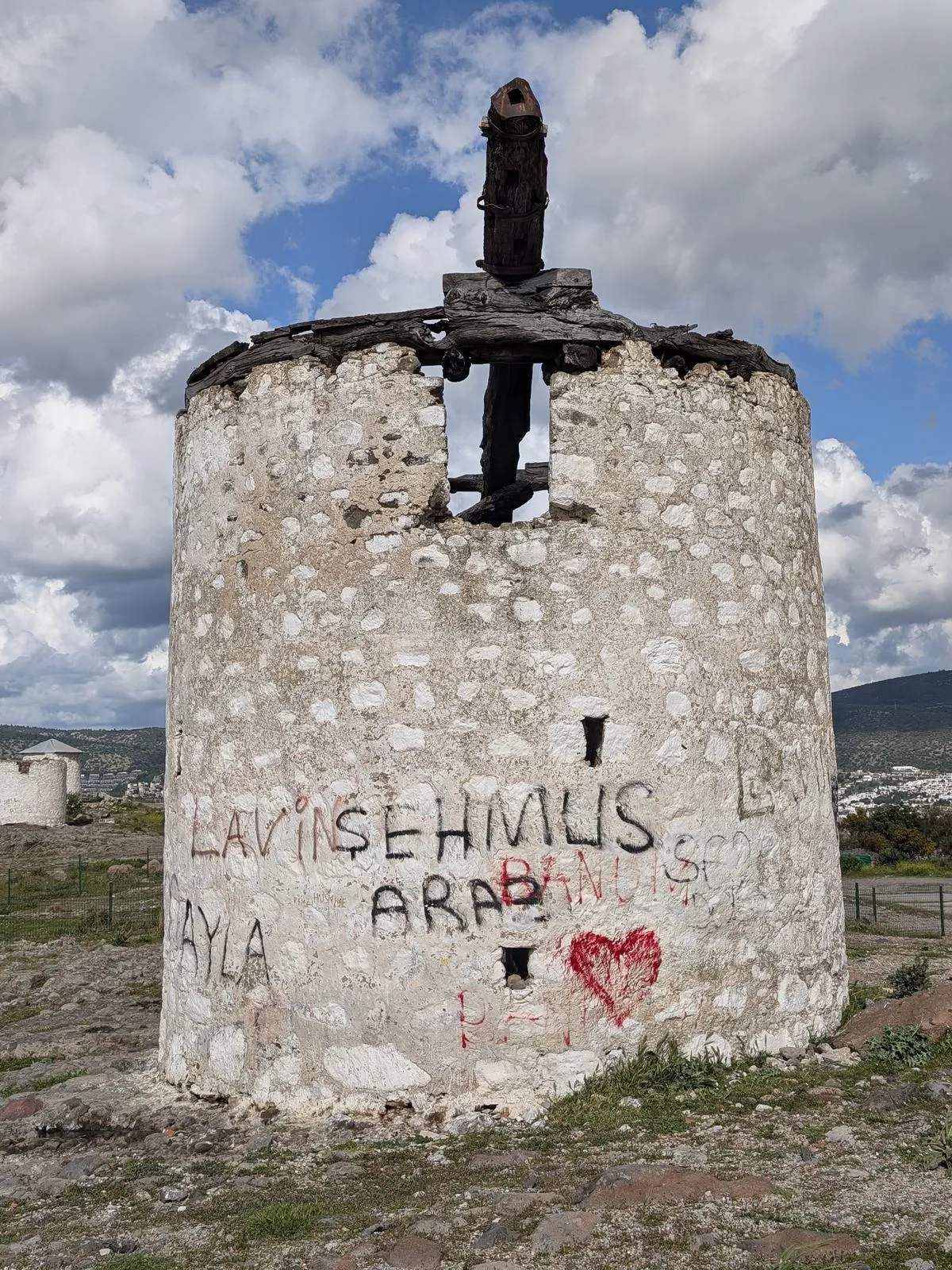
The rest of ancient Halicarnassus is scattered and mostly free. The Bodrum Ancient Theatre, cut into the hillside in the 4th century BC, is free to enter and gives the best panorama over the bay. Myndos Gate, the western gate of the old city walls, still stands beside the road. On the ridge between the two bays, the old Bodrum windmills are the town’s postcard view and the place to be an hour before sunset.
Below it all, the old town is a place to wander rather than tick off. The bazaar, known locally as Çarşı, runs off the main square with cafés, textiles, and the usual harbour shops, and the marina at the west end is where the yachts and the evening crowd collect. Buy a Turkish coffee, walk the waterfront, and let the lanes do the rest.
The beaches
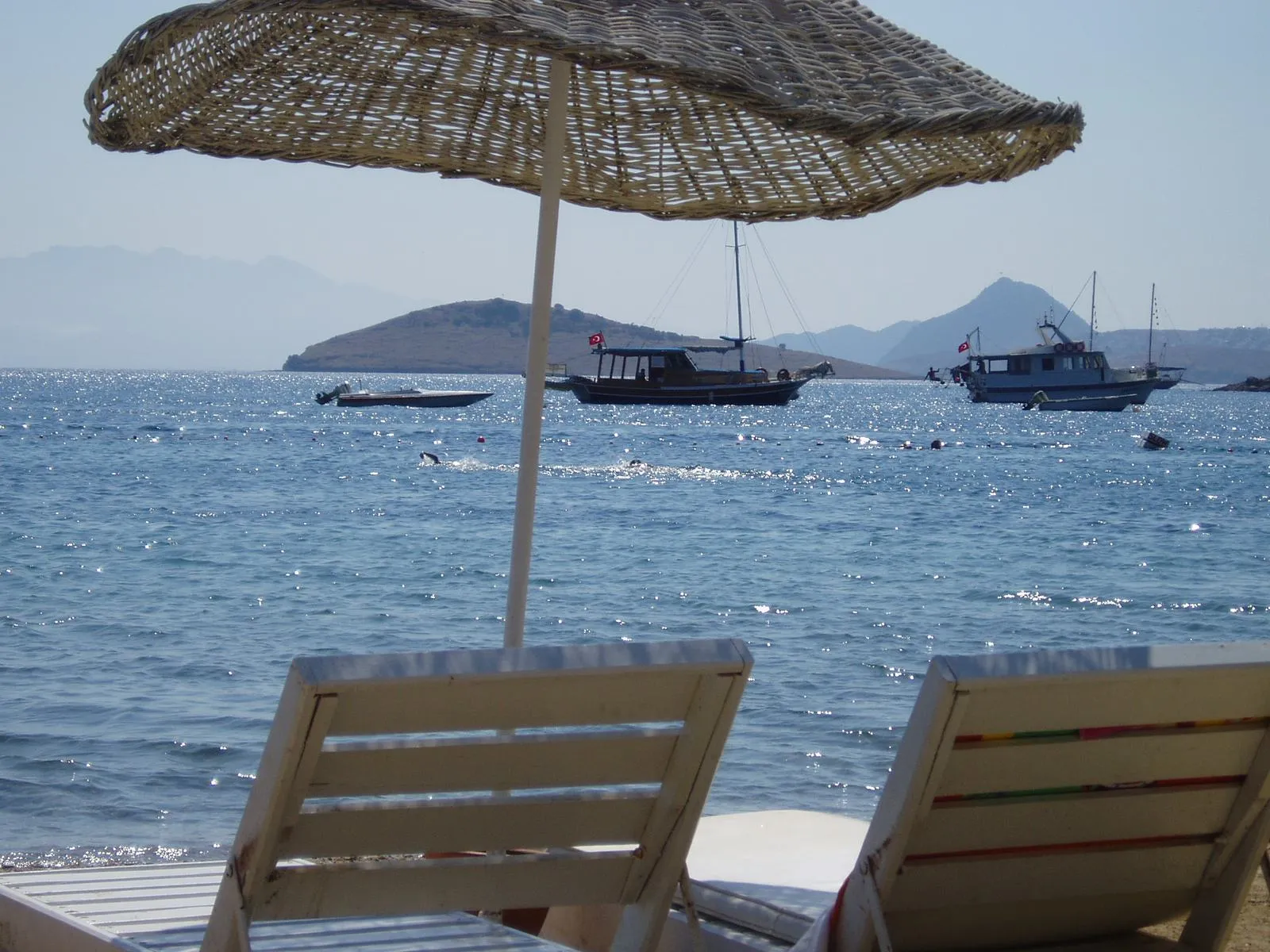
The beach in Bodrum town is ordinary, and that is the detail every disappointed visitor misses. The good swimming is spread around the peninsula, one bay at a time, and the dolmuş minibuses from the bus station reach most of it for the price of a bus ticket. Pick the beach by mood and budget rather than by name.
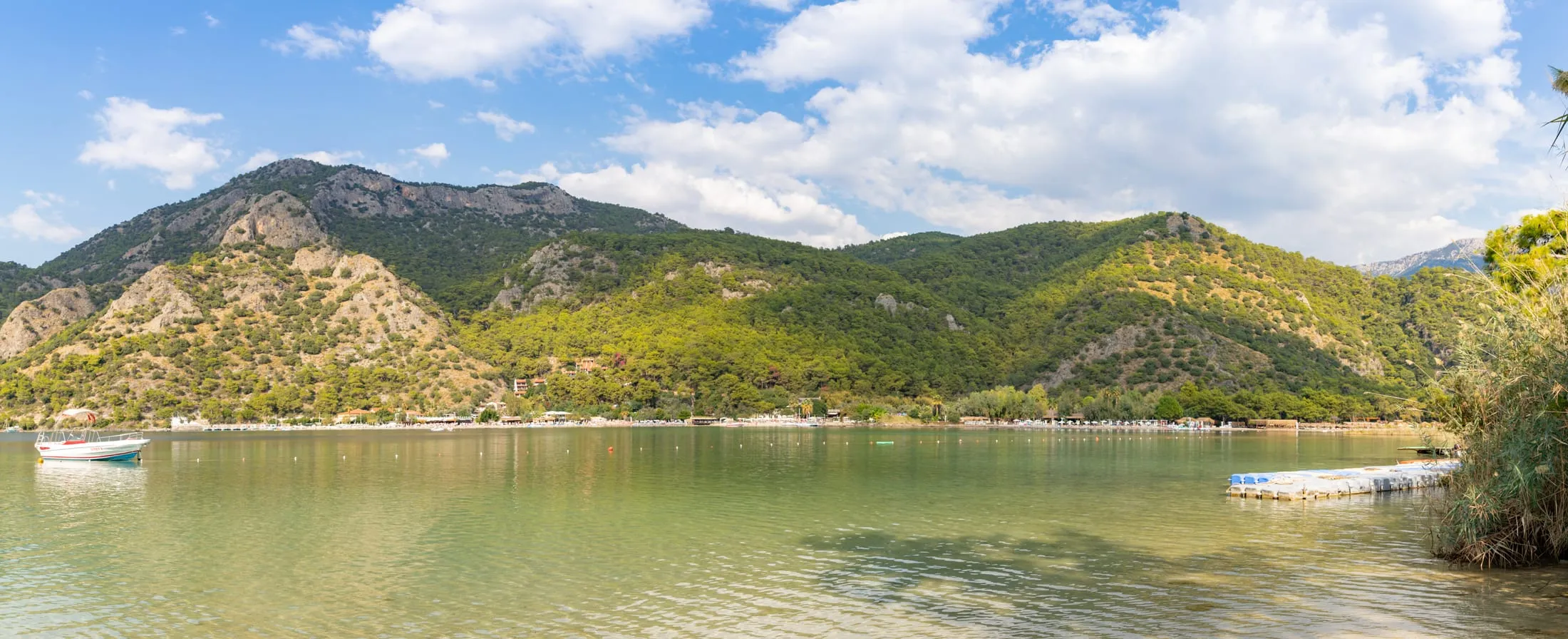
Bitez, about 6 km west of town, is the family answer: a long crescent of sand and pebbles around a sheltered bay, shallow water, and Blue Flag status. Ortakent and neighbouring Yahşi have the longest sandy stretch on the peninsula, while Camel Beach nearby faces open water and swims a touch wilder. Akyarlar, in the southwest, has some of the clearest water around. Gümbet is the busiest and youngest, with bars behind the sand, and Torba on the north coast is calm, pine backed, and the closest thing to an upscale town beach.
Two practical rules. The summer meltem wind builds through the afternoon and chops up the exposed west facing bays, so the calmest water and the best swim come in the morning. And the beach clubs at Türkbükü and Yalıkavak charge international prices for a sunbed, while the public beaches reached by dolmuş cost almost nothing. The water quality is the same or better at the cheaper end.
Gumusluk, Yalikavak, and Turkbuku
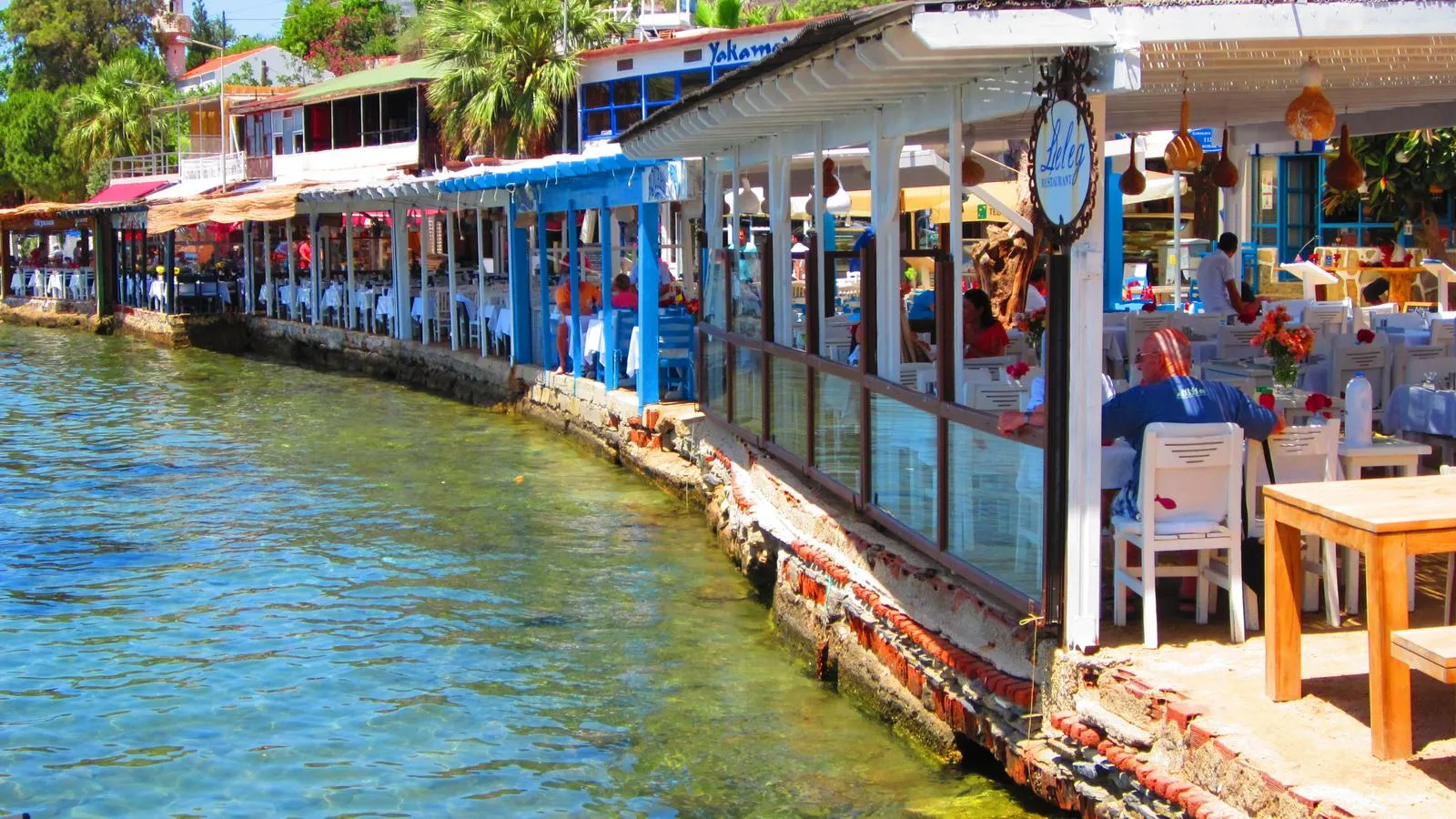
The villages are the reason Bodrum works as a base. Gümüşlük sits at the western tip beside the submerged ruins of ancient Myndos, and you can wade through shallow water straight over the stonework. The waterfront fish restaurants run tables to the water’s edge, the sunsets are the best on the peninsula, and development has been kept in check by the archaeological protections. It is quiet, bohemian, and the right evening for a long dinner rather than a party.
Yalıkavak is the other extreme. Its Palmarina was rebuilt as a superyacht destination and now holds designer boutiques, international restaurant outposts, and a run of high end hotels. Plan on smart casual dress after dark and international prices to match. Türkbükü, on the north coast, is the beach club village. The geography gives it wooden decks and platforms over the water rather than sand, and the scene runs closer to Mykonos than to a traditional Turkish resort. Gündoğan, further north, is the calm, quiet compromise with a wide shallow bay.
Boat trips and the Blue Voyage
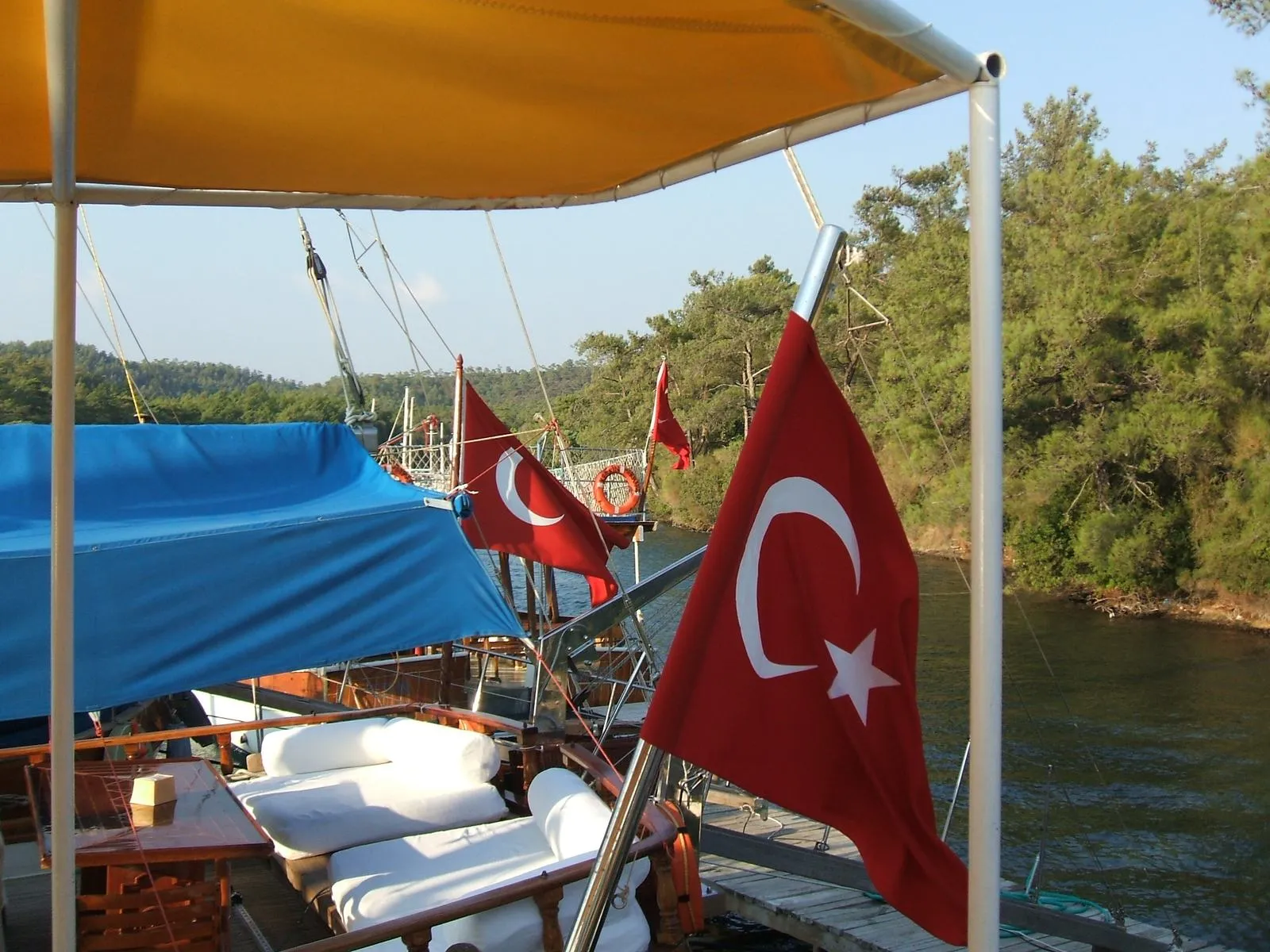
Bodrum is the historic home of the gulet, the broad wooden two masted boat built in the town’s own shipyards, and of the Blue Voyage, the multi day cruise along the Aegean and Mediterranean coast that grew out of it. A day on the water is close to mandatory here, and the boats leave the harbour from April to October.
The standard day cruise circles out to Karaada, Black Island, where a hot spring feeds a cave and swimmers coat themselves in orange mineral mud before a swim stop in a sheltered bay. Full day trips run six to seven hours with lunch, and private boats can be arranged for a group. Multi day Blue Cruises head further along the coast toward Datça, Marmaris, and the Gulf of Gökova, and they are one of the best things to do anywhere in Turkey. In July and August the day boats fill on weekends, so book a day or two ahead.
Nightlife
Bodrum splits its nights by district, and the three scenes do not overlap. Bar Street, officially Cumhuriyet Caddesi, runs along the water in the town centre and is the loud, late, long established strip. Gümbet, ten to fifteen minutes away by taxi, is the younger and cheaper hub, with neon, theme nights, and open air dance floors that fill from 21:00 and peak after midnight.
The upscale end belongs to Yalıkavak and Türkbükü, where the beach clubs and marina bars are priced in line with Mykonos and the season brings international DJs. Cocktails at a marina venue cost several times the town price and bottle service runs into the thousands of lira, and sunset tables need booking on weekends. Dress code is casual in town and Gümbet but smart casual to elegant at the marina, where flip flops look underdressed. Full season runs from late May to September, and after midnight a taxi is the only realistic way between districts.
Bodrum food
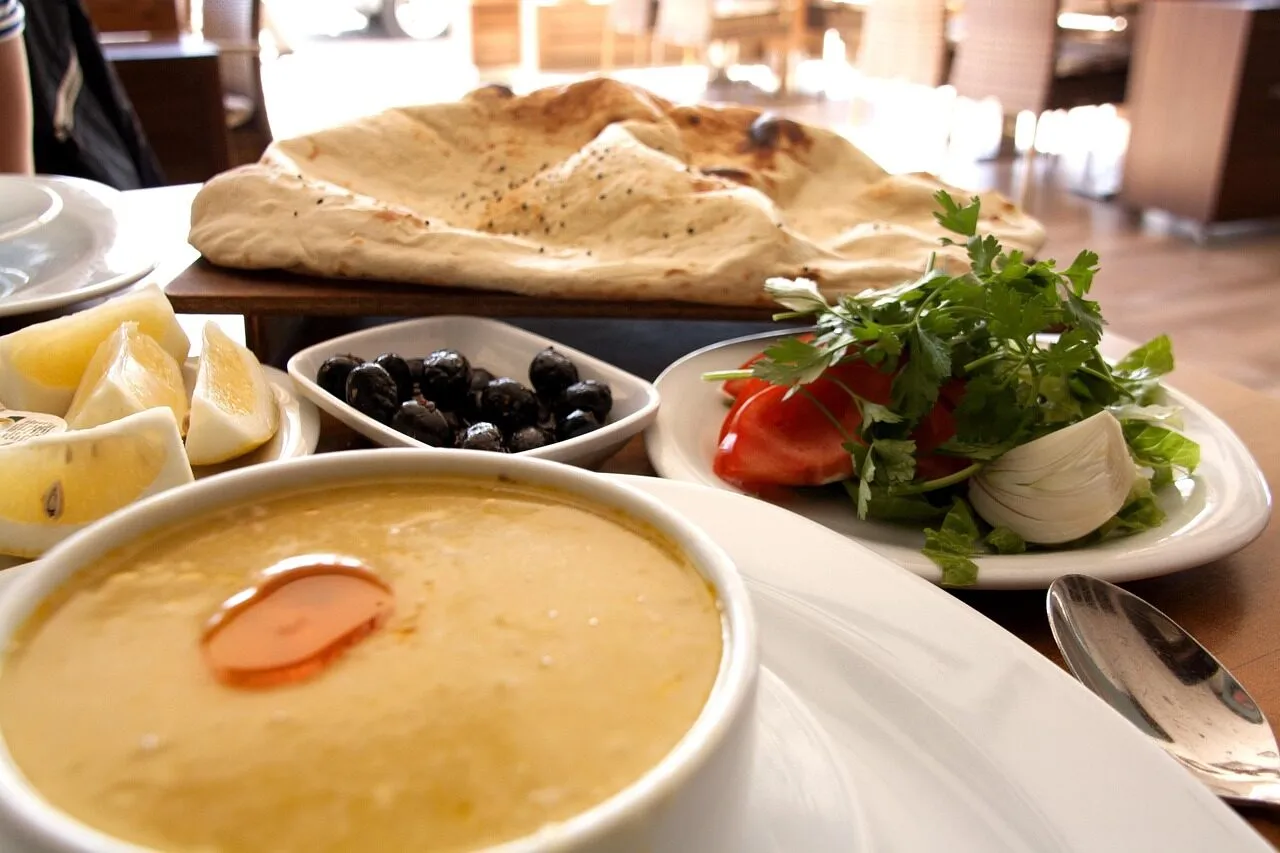
Bodrum eats like the Aegean: seafood first, vegetables and olive oil alongside, and meze to start. Order the local samphire, deniz börülcesi, dressed with lemon and garlic, then grilled octopus, then whatever came off the boats that morning. The cheap and famous street dish is balık ekmek, a fish sandwich from the harbour stalls, and the market fills with mandarins, figs, and melons through the summer. Rakı with a table of meze is the local way to finish an evening.
The two tier economy shows up most at the table. An ocakbaşı grill or a neighbourhood lokanta serves an excellent lunch for a fraction of the marina price, and a family run köfte place can beat a waterfront restaurant outright. Eat where the menus are in Turkish for the better value, and save the marina and beach club dinners for the night you want the view.
Bodrum or Antalya?
They are different seas and different holidays, which is why the comparison comes up so often. Bodrum is the Aegean, on a peninsula of villages and bays, with the castle, the marina, the nightlife, and a 30 minute ferry to the Greek island of Kos. It is more polished, more expensive, and best for boat trips and wandering between villages.
Antalya is the Mediterranean, a bigger working city with long sand beaches at Lara, Roman ruins at Perge, Aspendos, and Side, and some of the cheapest all inclusive resorts in the region. Choose Bodrum for charm, yachts, and the Blue Voyage. Choose Antalya for ruins, value, family resorts, and a city that lives year round. If you have a week and want both, the drive between them along the coast is a trip in itself.
When to go
May, June, September, and October are the best months. May is warm and green with the peninsula still quiet, June and September pair a warm sea with gentler heat and thinner crowds than the peak, and October stays mild, with early October still warm enough to swim. July and August are the hottest, busiest, and priciest months, with daytime highs regularly above 30 degrees and hotel rates at their peak.
The sea is the other half of the decision. It is comfortable for swimming from about June to October and reaches roughly 25 degrees in August, while spring sits nearer 17 degrees and feels bracing until June. Winter is mild and quiet, around 14 degrees, and many of the beach clubs and waterfront venues close until late spring.
Getting there
The airport is Milas-Bodrum (BJV), and the state airport authority puts it 37 km from Bodrum town centre. The Havaş shuttle is the standard transfer, running to the Bodrum bus station in roughly 35 to 45 minutes for around 270 TRY at the time of writing, and a metered taxi to the centre costs several times as much. Both leave from outside arrivals with no booking needed. From the bus station, the dolmuş minibuses fan out to Gümbet, Bitez, Turgutreis, Yalıkavak, and the rest of the peninsula, so a second short leg is normal if you are not staying in town. Fares are set in lira and rise with inflation, so treat any figure you read as short lived and check the operator on arrival.
The ferry to Greece is the pleasant surprise. Passenger boats cross from Bodrum Kale Port to Kos in about 30 minutes, several times a day in season, and tickets start from around 22 EUR one way on Omio. It is short enough for a day trip, and a good way to fold a Greek island into a Turkish coast route. Bring your passport, arrive early for the border formalities, and book ahead in July and August. If you are continuing to the Greek islands, the Greece guide picks up the ferry network from there.
By land, long distance coaches run to Bodrum’s otogar from Istanbul, Izmir, and the rest of the coast, and the bus station is the same hub the dolmuş minibuses use. There is no train. For the wider country, browse the Turkey guide and all the guides.
Where to stay
Stay in Bodrum town for a first visit. The castle, the bazaar, the harbour, and Bar Street are all walkable from each other, and the dolmuş minibuses leave from the bus station for everywhere else. The town beaches are not the peninsula’s best, so you will travel for serious beach days, but you trade that for the history and the nightlife on your doorstep.
Gümbet is the budget and nightlife base, with package hotels, lower prices, and a short taxi ride into town. Bitez is the family choice, greener and quieter, with a sheltered beach and mid range hotel stock. Yalıkavak and Türkbükü are the premium ends, the first for the marina and design hotels, the second for the beach club scene, and both priced well above the rest of the peninsula. Gümüşlük is the quiet, bohemian option for people who want the sunset and the fish restaurants more than the party.
The village matters more than the hotel here, because the peninsula takes 45 minutes or more to cross end to end. Pick the base that matches your evenings, then book the room. Wherever you stay, ask about air conditioning and shade, because July and August are genuinely hot.
What a day costs
Planning figures for 2026, per person per day and excluding flights and accommodation: a budget day runs 35 to 55 EUR, a comfortable day 70 to 100 EUR, and a mid-range day 120 to 180 EUR. Bodrum has a genuine two tier economy, and the comfortable number covers a castle ticket, a proper lunch, a boat trip or a beach club, and transport, while the budget number leans on dolmuş rides, lokanta meals, and public beaches. These ranges are planning estimates built from the ticket, transport, and food prices cited in this guide, not an official index.
The season moves the numbers more than the budget table does. July and August bring peak hotel rates and the busiest beaches, while May, June, and September and October keep the peninsula quieter and the rooms cheaper. If your dates are flexible, the shoulder months pay for themselves.
Practical information
| Getting around | The peninsula runs on dolmuş minibuses from the Bodrum bus station (otogar) to Gümbet, Bitez, Ortakent, Turgutreis, Gümüşlük, Yalıkavak, and Türkbükü. Fares are low and paid in cash. Taxis are metered and the only realistic option after midnight, and the town centre is walkable. Renting a car helps if you want to reach several villages in a day. |
|---|---|
| When to go | May, June, September, and October are the best months, with warm sea, mild days, and thinner crowds. July and August are hot and at their busiest, around 34 degrees, with peak prices. Winter is mild and quiet, around 14 degrees, when many beach clubs close. |
| Money | Turkey uses the Turkish lira and prices move with inflation, so treat any lira figure as short lived. Museum tickets for foreign visitors are quoted and charged in euros. Cards are widely accepted in hotels and restaurants, but keep cash for dolmuş, markets, and small cafés. |
| Health and safety | Bodrum is a safe, relaxed resort area, and the main risks are the summer sun and the sea. Carry water, use high factor sun cream, and swim where locals swim, watching for rocks. Tap water is not for drinking, so buy bottled water. The castle has steep steps and uneven stone, so wear shoes with grip. |
| Sightseeing rhythm | Do the castle at opening or in the two hours before the daytime close, the ancient sites and windmills in the morning, the beach in the middle of the day, and the villages at sunset. Book the day boat and the Kos ferry a day or two ahead in July and August, and always check the official museum page for current hours. |
Disclosure. This blog post contains affiliate links. If you book through them, Mediterranean Vibes may earn a small commission at no extra cost to you; it is how the site stays up.
.jpg)


.jpg)
